RethinkTrends

Health

How to inculcate sports and physical activity

How to inculcate sports and physical activity?

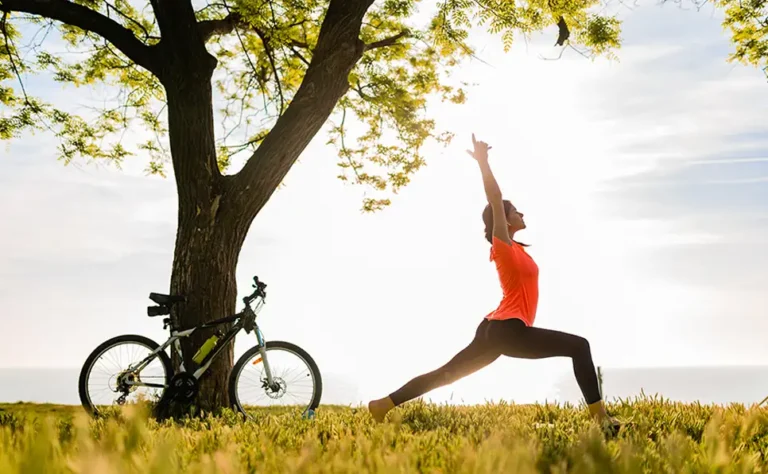
Introduction Incorporating sports and physical activity into your daily routine might seem daunting, but with the right approach, it becomes easier and more enjoyable. The benefits of staying active are undeniable—from improved health and fitness to reduced stress and enhanced mood. Whether you’re a beginner or someone looking to get back on track, it’s essential to know how to create lasting habits that support an active lifestyle. In this article, we’ll explore practical tips and strategies to help you inculcate sports and physical activity into your daily life, making fitness an enjoyable and integral part of your routine. Start with Small, Achievable Goals One of the most effective ways to inculcate sports and physical activity into your life is to start small. Rather than aiming for a complete overhaul of your routine, set manageable goals that you can realistically achieve. For instance, you might decide to take a 10-minute walk every day or try a short workout routine. Once these small goals become habits, you can gradually increase the intensity or duration of your physical activity. Why small goals matter: They are less intimidating and easier to stick with. They create a sense of achievement, which builds motivation. Gradual progression leads to long-term success without feeling overwhelmed. Make Sports Fun and Social Sports and physical activity are often more enjoyable when shared with others. Whether it’s joining a recreational league, playing pick-up games with friends, or simply involving family members in outdoor activities, having a social component can make fitness feel like a fun, interactive experience. When you have a partner or group to exercise with, it becomes less about “working out” and more about having a good time together. Tips for making sports social: Join a local sports league (basketball, soccer, volleyball). Organize weekly activity sessions with friends or family (e.g., tennis, frisbee). Try group fitness classes, such as yoga or spin, where you can meet like-minded people. The added social aspect helps to keep you accountable, creating a community that motivates you to stay consistent. Integrate Physical Activity into Daily Tasks Sometimes, it’s not about scheduling extra time for exercise—it’s about fitting activity into your daily life. Finding opportunities to move throughout the day can help you stay active without needing a dedicated workout session. Try parking farther from your destination, taking the stairs instead of the elevator, or walking or biking instead of driving for short errands. These little changes add up and contribute to your overall physical activity levels. Examples of integrating movement: Walk or bike to work or school if possible. Take the stairs rather than the elevator. Walk around while talking on the phone. Do light stretches or quick exercises during TV commercial breaks. The goal is to create an active lifestyle where exercise is naturally woven into your daily routine. Set a Routine and Stick to It Consistency is key when it comes to inculcating sports and physical activity into your life. Having a regular schedule that includes designated times for physical activity will help reinforce the habit. Choose times that work for you—whether it’s a morning jog, an evening yoga session, or weekend basketball games—and commit to them. Tips for sticking to a routine: Plan your workouts like appointments—set a time and treat it as non-negotiable. Use fitness apps or calendars to track your progress. Start with easy, low-commitment activities, then gradually increase the challenge. Plan variety in your routine to keep things interesting and prevent boredom. A set routine ensures that sports and physical activity become a regular part of your lifestyle, making it harder to skip or forget about your workouts. Find Activities You Enjoy The best way to ensure that sports and physical activity become a lasting habit is to engage in activities you genuinely enjoy. If you dread going to the gym or running on a treadmill, you’ll likely struggle to stay motivated. Instead, try exploring different sports and activities until you find something you look forward to doing. Whether it’s swimming, hiking, tennis, or even dancing, the key is to make it fun. Suggestions for finding enjoyable activities: Try new sports—such as rock climbing, kayaking, or badminton. Join a recreational sports league for fun and competition. Explore outdoor activities like hiking, cycling, or even just walking in nature. Consider fitness apps or online classes for variety in your workouts. If you love what you’re doing, staying active will feel less like a chore and more like a fulfilling part of your day. Set Long-Term Health and Fitness Goals Incorporating sports and physical activity into your life is not just about short-term results—it’s about creating lasting habits that support your long-term health and fitness. Setting clear, achievable goals can help keep you focused and motivated. Whether your goal is to run a 5K, improve your strength, or simply increase your daily step count, having a target can give you direction and purpose. How to set long-term fitness goals: Define a clear goal (e.g., “I want to walk 10,000 steps daily”). Break the goal down into smaller, measurable steps (e.g., “I will start by walking 3,000 steps a day”). Celebrate progress, no matter how small, to stay motivated. Adjust your goals as needed to keep challenging yourself. Tracking your progress toward your fitness goals not only helps you stay on track but also boosts your confidence as you witness your improvement. Make Physical Activity Part of Your Lifestyle, Not a “Task” Inculcating sports and physical activity is about adopting a mindset that prioritizes movement and health as part of your everyday lifestyle. Rather than viewing exercise as a task or obligation, try to embrace it as something you get to do for your body and mind. When physical activity becomes a natural part of your routine, it’s easier to stick with it. Mindset shifts for making physical activity a lifestyle: Focus on the enjoyment and benefits of physical activity, rather than seeing it as a chore. Make time for sports activities just like you would any other enjoyable

How to inculcate sports and physical activity? Read More »

Sports and Physical Activity Benefits

Sports and Physical Activity Benefits

You know that getting regular physical activity is important to stay healthy. But did you know that sports-related activities can do more than just help you burn calories and stay fit? Not only do sports provide an effective mental outlet for managing stress, but they can also help build discipline and foster strong interpersonal relationships. Here are just a few of the many benefits that come from participating in sports: Improved physical fitness: An active lifestyle will not only lead to improved cardiovascular endurance, but also increased muscle strength, flexibility, and coordination. Boosted mental health: From improving self-confidence to lowering stress levels, taking part in sports activities can make a substantial impact on your overall mental health. Social connection: Joining a sports team or league helps build camaraderie and foster meaningful relationships with others. Fun: Above all else, engaging in sports is downright enjoyable! Recreational Sports Leagues Maybe you’re the kind of person who loves to have both a team and a goal. That’s where recreational sports leagues come in—they provide structure and competition, all while letting you enjoy the camaraderie of being part of a team. Whether you’re into basketball, baseball, soccer, volleyball or any other sport, there are likely plenty of local recreational leagues to join. What kind of commitment is necessary? It depends on the league, but you’ll usually be expected to show up for practices as well as games. You may also have an expectation to contribute financially in order to cover equipment costs or rental fees. But if this sounds like something that might be right up your alley, then definitely look into finding a local recreational sports league in your area—you won’t be disappointed! Individual Sports Activities As you take your first steps into the world of sports, why not consider individual activities? As the name implies, individual activities are sports where you do not need to rely on others, making them a great way to get moving. Running Running is a great way to stay fit and kick things off. All you need is some comfortable shoes and clothing and you’re good to go! Start small and build up gradually at your own pace—you don’t want to put too much strain on your body right away. Biking Biking is another great way to get out and explore the outdoors while keeping active. Look for trails in your area or join an organized group ride. You don’t need a pricey bike or special equipment either; all it takes is practice and discipline. Swimming Swimming is a good way to exercise your whole body as it engages both upper and lower body muscles as well as core muscles. Start off by joining classes or investing in one-on-one lessons to get the basics down, then you can practice in pools or open water locations whenever you want! Outdoor Team Sports If you’re a team-oriented person, there’s nothing like a good ol’ outdoor sport to get the sweat going. Think flag football, softball, or maybe even street hockey. Who knows — you could start your own local league! And don’t forget to grab your buds and head down to the courts for pick-up games of basketball, volleyball, or soccer! Gather Your Crew Gathering your mates for a game of outdoor sports is easy. Just set up the date, time and location via text message or email. And if it’s nice enough out, take things outdoors for an added dose of Vitamin D! Equipment Needed Most outdoor team sports simply require good athletic shoes and clothes; however, some may require additional equipment such as bats and balls (for softball and baseball), flags (for flag football), goals (for soccer), nets and poles (for volleyball) or sticks and pucks (for street hockey). If you don’t have what you need, check out local sporting goods stores for rental options. Stay Safe Sometimes physical contact is unavoidable in team sports; however, it’s important to ensure everyone is playing safely. When playing with friends, talk about expectations before the game begins so that everyone understands what types of physical contact are allowed during play in order to prevent injuries. Before heading outdoors make sure everyone is properly hydrated and fueled up with nutritious snacks. Exploring New Sports to Try Have you ever wanted to try a new sport that you’ve never tried before? Well, now’s the time! Whether you want to learn how to kick a soccer ball, shoot a basketball hoop, or play a game of tennis – there’s something fun and active out there for everyone. Here are some ideas to get started: Soccer It doesn’t matter if it’s the biggest tournament of the year or just playing pick-up at your local park. Soccer is one of the world’s most popular sports and it is still growing in popularity. Plus, all you need is a ball and some friends or family to get started! Tennis Enjoy playing with a partner or on your own? Tennis is great for both options and can be played outdoors or indoors. Use it as an opportunity for cross-training too – running around the court increases agility and strength, not to mention it’s super fun! Basketball It doesn’t take much equipment to play basketball – sometimes all you need is one ball per group of people. Find an outdoor court near your home, or go indoors and play at your local gym. Just remember to stay competitive but also stay safe. So what are you waiting for? Get out there, explore some new sports and get moving! Equipment Needed for Different Sports When you’re looking to get moving and take part in some sporting activities, there are a few pieces of equipment that each sport requires. Here’s a brief list of what you need depending on your choice: Basketball A basketball hoop and ball — if you want to play outdoors without paying for your own hoop, you can always reach out to local courts or playgrounds that offer hoops. If playing indoors, look for

Sports and Physical Activity Benefits Read More »

New Trends and Strategies for the Future of Health Nutrition in 2023

Health Nutrition in 2023: Top Trends and Tips

A healthy lifestyle has traditionally been largely dependent on nutrition. To get the most out of our dietary decisions, we must, nevertheless, adapt to new trends and approaches as the times’ change. A number of cutting-edge ideas and tactics will change the way we approach Health nutrition in 2023. Let’s explore the future of health nutrition, from individualized diets to sustainable food systems. The increase in plant-based diets is one of the most important developments in health nutrition. More and more people are lowering their meat consumption or switching to a vegan or vegetarian diet. Another concept that is gaining popularity is personalised nutrition. Technology advancements have made it possible to analyse a person’s DNA and develop a customised dietary plan based on their particular genetic profile. Gut health is an emerging trend that is gaining more attention. Probiotics, prebiotics, and fermented foods are increasingly well-liked as a strategy to improve gut health because research has connected a healthy gut microbiome to our general health and well-being. The Rise of Plant-Based Diets The number of people following a plant-based diet has increased dramatically in recent years. A variety of issues, such as health advantages, environmental concerns, and ethical considerations, have contributed to the spread of veganism and vegetarianism. The popularity of plant-based diets is predicted to continue in 2023, and a variety of cutting-edge goods and services will be developed to meet the demands of this expanding market. In recent years, plant-based protein substitutes have become very popular, and in 2023, this trend is expected to continue. We may anticipate seeing additional participants enter the market as businesses like Beyond Meat and Impossible Foods established themselves. We can also anticipate a variety of cutting-edge plant-based goods, such as cheese, milk, and ice cream. Personalized Nutrition Customized Nutrition: The term “personalised nutrition” has been bandied about in the health sector for a time, and in 2023 it is expected to gain even more traction. A nutrition plan is developed using a person’s particular genetic makeup, lifestyle, and health objectives as the basis. By adjusting a person’s diet to meet their individual needs, customised nutrition aims to maximise their health and well-being. Technology advancements have increased access to and affordability of tailored nutrition. Businesses like Nutrigenomix and DNA fit provide DNA testing services that examine a person’s genetic profile and produce a personalised nutrition plan in response to the results. In addition, a variety of apps and online services provide tailored nutrition regimens depending on a person’s lifestyle and health objectives. Gut Health In recent years, it has become clearer and clearer how important gut health is. Obesity, diabetes, and mental health difficulties have all been connected to our gut microbiome or the population of bacteria in our stomach. More people are likely to employ tactics to enhance their digestive health in 2023. As a means of promoting gut health, probiotics, prebiotics, and fermented foods are becoming increasingly common. Prebiotics are non-digestible carbohydrates that provide food for the good bacteria in our gut, whereas probiotics are living organisms that can balance the bacteria in our stomach. Fermented foods like kimchi and kefir include healthy bacteria that can enhance gut health. Challenges in Health Nutrition In 2023, the sector of healthy nutrition will encounter a number of difficulties. Food insecurity, obesity, chronic diseases, food waste, malnutrition, and environmental sustainability are some of these concerns. The creation of sustainable food systems, encouragement of wholesome eating practises, reduction of food waste, treating malnutrition, and lowering the environmental effect of food production and distribution must be prioritised. By tackling these issues, we can build a healthier and more sustainable future for all. Some important issues that must be addressed include obesity and chronic illnesses. Promoting healthy eating practices and teaching people about the value of nutrition in preventing chronic diseases should be our main priorities in 2023. In order to increase the sustainability of our food system, we must also concentrate on minimising food waste. 1. Food Insecurity Food insecurity will be one of the greatest issues in health nutrition in 2023. Lack of access to reasonably priced, wholesome food is referred to as food insecurity. This is a serious issue in many regions of the world, especially in developing nations. Food insecurity can lead to malnutrition, which in turn can lead to a range of health problems, including stunting, wasting, and micronutrient deficiencies. 2. Obesity and Chronic Diseases Another major obstacle to a healthy diet is obesity and chronic diseases. Obesity is a global issue that is on the rise and a key risk factor for chronic illnesses like heart disease, type 2 diabetes, and several malignancies. For this issue to be overcome, dietary changes and increased physical activity levels are crucial. 3. Food Waste Food waste is a major problem for healthy nutrition. One-third of all food produced worldwide is lost or squandered. This not only reflects a waste of resources but also increases greenhouse gas emissions. The sustainability of our food system and ensuring that everyone has access to affordable, wholesome food depend on reducing food waste. Opportunities in Health Nutrition In 2023, there will be many job possibilities in the sector of health nutrition. The growing popularity of plant-based diets, which can improve health outcomes and lessen the environmental impact of food production, presents a significant opportunity. Another possibility is the growing accessibility of digital tools and technologies that can assist people in making more informed decisions regarding their dietary and lifestyle choices. The development of customised nutrition and genomics also offers fresh possibilities for specialised dietary therapies. Using sustainable agricultural methods may also open doors to developing food systems that are both healthier and more environmentally friendly. Progress in nutrition for health can also be fuelled by public-private partnerships. Last but not least, community-based efforts and educational programmes can support better nutrition outcomes and encourage wholesome eating practices among underprivileged populations. 1. Technology Technology offers several options in health nutrition. The effectiveness of food production and distribution can be increased

Health Nutrition in 2023: Top Trends and Tips Read More »

Modern and Healthy Lifestyle

Modern and Healthy Lifestyle

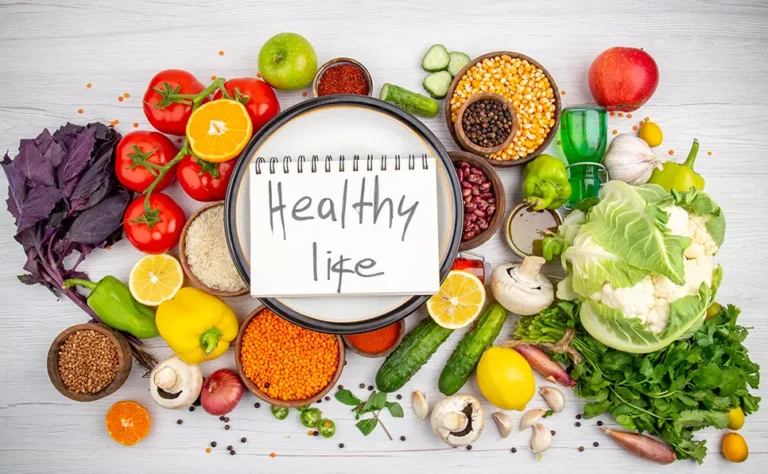
Introduction If you want to be satisfied and feel well both now and in the future, it is imperative that you maintain a healthy lifestyle. You can decide to live a healthy lifestyle for the rest of your life. With it, you not only live longer but also experience improved health and are less prone to diseases and ailments. We should all aspire to lead healthy lives. There are a few things you must do in order to start living this manner, which is the healthy way. This requires doing some sort of physical activity every day, such as yoga, jogging, playing sports, etc. Also, a balanced, nutritious diet must include items from every food category. To assist you have a healthy diet, it would be nice if you were taking the appropriate amount of proteins, carbohydrates, vitamins, minerals, and fats. However we must keep in mind that living a healthy lifestyle applies to both our physical and mental well-being. A healthy lifestyle must include a balanced diet, regular exercise, and adequate sleep. But a healthy lifestyle also includes a lot of happiness. Positive thinking is essential for enabling happiness. A person is not fully healthy if they do not feel content or confident in themselves. We must therefore make every effort to think positively in order to experience happiness rather than sadness. Benefits of a healthy lifestyle A healthy lifestyle offers many benefits, including the potential to live longer and thus have more time to spend with your loved ones. By exercising every day, you may feel better and release endorphins. Regular exercise will make your skin and hair look healthier, which is good for your appearance. Also, leading a healthy lifestyle lowers your risk of developing life-threatening illnesses like cancer, diabetes, etc. and lowers your vulnerability to cardiac arrests. Being healthy has several advantages, including the following: – Eliminates disease In particular, heart disease, stroke, cancer, Alzheimer’s disease, and diabetes can all be prevented. Increases Lifespan Making healthy decisions is crucial for individuals who enjoy life and want to get the most out of it because it’s no huge surprise that the healthiest people tend to live the longest. This might include making changes to our eating and exercise routines, but it might also mean being engaged in our communities, appreciating our connections, and making time for volunteering. Increased life-force Energy We can have a profound sense of well-being when we are at our healthiest, which will vary depending on the individual. It comes from being well-rested, at ease, and upbeat about oneself and the outside world. Even as it happens, we can feel life rushing through our veins! A Restful Night’s Slumber We have a positive feedback loop in which our sleep improves when we feel well and vice versa. Hence, all that is left to do is figure out how to disrupt this advantageous cycle and gain from it. Being in Charge of Your Life Making decisions that produce positive outcomes is empowering! When we decide to make changes that are good for our health and then actually implement them, we may feel a great sense of success. As a result, we no longer feel totally reliant on other people and are more self-assured and in control of our own lives. Furthermore, everyone has a different idea of what a healthy life is like. Some people consider a healthy lifestyle to entail both physical activity and a balanced diet. But, a healthy way of life is one that gives you a sense of comfort, contentment, and joy. Living a healthy lifestyle means being free of stress, and disease, and enjoying mental tranquility. Conclusion Maintaining a healthy lifestyle requires a lot of effort and commitment, but the rewards are substantial and long-lasting. All of us desire and need a lot of energy. Nobody wants to be a crazy, sick person, do they? Hence, having good mental health is perhaps the most important thing. Many of us battle with healthy weight yet secretly desire we were of the healthy type. If you don’t lead a healthy lifestyle, you can miss out on a quiet night. Finally, we can all say goodbye to illnesses and diseases because many individuals suffer from them simply because they don’t lead healthy lives. The most crucial thing to keep in mind is that you have control over your health and well-being. Take control of your life and pay attention to modest behavioral adjustments that can result in a healthier way of living.

Modern and Healthy Lifestyle Read More »

How to eat well without being concerned about your health

How to eat well without being concerned about your health

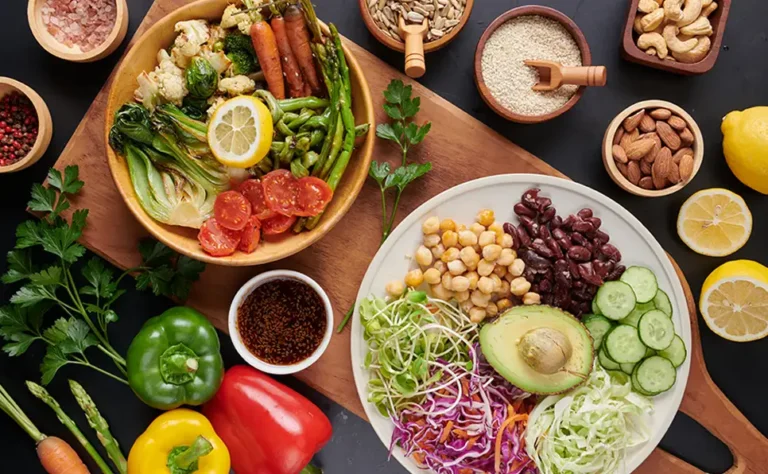
Healthy and tasty food can be a great way to nourish your body and satisfy your taste buds. Finding recipes that combine wholesome ingredients with delicious flavours can be a fun and rewarding experience. Eating healthy doesn’t have to mean sacrificing flavour. With a little creativity, you can find recipes that are both healthy and tasty. Try looking for recipes that use fresh, natural ingredients and spices to enhance the flavour. You can also look for recipes that use healthy cooking methods such as baking, grilling, steaming, or stir-frying. Experiment with different combinations to find something that tastes great and is good for you! Why it is important to have healthy and tasty food Eating healthy and tasty food is important for a variety of reasons. Healthy food helps to fuel our bodies with the essential nutrients and vitamins that it needs to stay healthy and perform at their best. Eating a balanced diet can also help to reduce the risk of developing certain health conditions, such as heart disease, type 2 diabetes, and obesity. Additionally, eating healthy and tasty food can help to boost our energy levels, improve our mood, and even help us to maintain a healthy weight. Eating a variety of healthy foods can also ensure that we get the most out of our meals, providing us with an enjoyable and satisfying experience. How Healthy and tasty food keeps our life balanced Eating healthy and tasty food is essential for a balanced life. A balanced diet helps to give us the energy and nutrients we need to stay healthy, strong, and alert. Eating the right types of food and getting the right amount of vitamins and minerals can help to improve our overall well-being. Eating a variety of nutritious and tasty foods can help us to maintain a healthy weight, reduce the risk of chronic diseases, and give us the energy we need to stay active and productive. Examples of healthy, tasty foods include fruits and vegetables, lean proteins, whole grains, and healthy fats. Eating a variety of different foods is important to ensure that we are getting all the nutrients we need. Additionally, limiting processed foods, added sugars, and unhealthy fats can help to ensure that our diets are balanced and nutritious. By incorporating healthy and tasty foods into our diets, we can enjoy a balanced life! Here are 10 delicious and healthy Indian recipes that are easy to make 1) Paneer Tikka Masala: Start by marinating cubes of paneer with yoghurt, garam masala, cumin, coriander, and chilli powder. Then cook the paneer in a tandoor or oven before adding it to a spiced tomato-onion gravy. 2) Saag Paneer: This classic Punjabi dish is a great way to enjoy a variety of leafy greens. Start by sautéing spinach, mustard greens, and fenugreek leaves with spices. Then add paneer cubes and simmer until the flavours combine. 3) Aloo Gobi: This potato and cauliflower dish is a flavorful and hearty vegetarian option. Start by sautéing potatoes and cauliflower with onion, garlic, ginger, and spices. After that, boil the vegetables until they are tender. 4) Chana Masala: Start by boiling chickpeas in spicy tomato-onion gravy. Then add a few more spices and simmer until the flavours combine. Serve with basmati rice or naan. 5) Vegetable Biryani: Start by sautéing onions, garlic, and ginger with a variety of spices. Then add cooked vegetables and basmati rice. Simmer together until the flavours combine. 6) Palak Paneer: Begin by blending spinach and spices into a paste. Then add the paste to a spiced tomato-onion gravy and simmer until the flavours combine. Add cubes of paneer for a delicious vegetarian dish. 7) Dal Makhani: Start by soaking black lentils and kidney beans overnight. Then cook the lentils and beans in a spiced tomato-onion gravy until the flavours combine. Serve with basmati rice or naan. 8) Vegetable Korma: Start by sautéing vegetables with a variety of spices. Then add yoghurt and simmer until the vegetables are cooked through. 9) Coconut Curry: Start by sautéing onions, garlic, and ginger with a variety of spices. Then add coconut milk and simmer until the flavours combine. Serve with basmati rice or naan. 10) Egg Curry: Begin by cooking hard-boiled eggs in a spiced tomato onion. Why healthy food? Because… Eating healthy food is the key to maintaining good health. A healthy diet provides your body with the nutrients it needs to function properly, giving you energy, helping you to stay focused, and allowing your body to fight off illness. Eating a variety of different, nutritious foods can also help you to maintain a healthy weight, reduce the risk of chronic diseases such as diabetes, heart disease, and cancer, and even improve your mood. So, having a healthy diet is one of the best things you can do for your overall health and well-being. Eating healthy food is one of the best ways to boost your energy and stay fit. Eating healthy doesn’t have to be a chore. With the right motivation, you can make healthy eating an enjoyable part of your life. Hope you like it. Stay healthy Stay fit.

How to eat well without being concerned about your health Read More »

7 Amazing Health Benefits of Pumpkin Spice

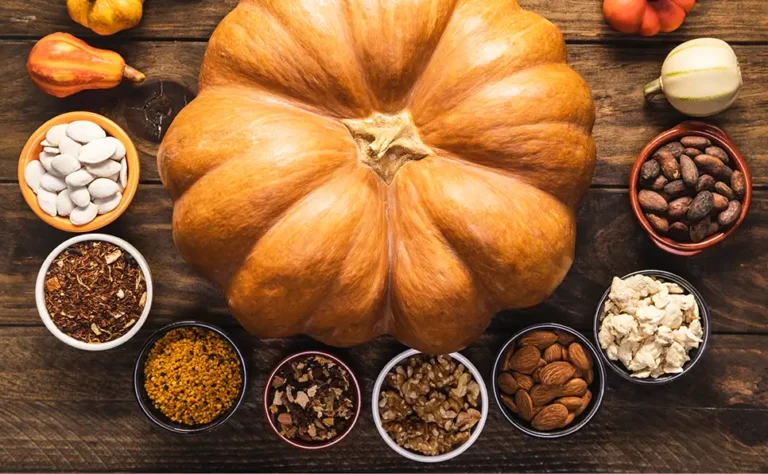
Pumpkin spice – the ultimate autumn flavor, reminds us of the fall season and Halloween decors, but did you know this fantastic mix has excellent health benefits? A mixture of ground cinnamon, nutmeg, ginger, cloves, and allspice, Pumpkin Spice is a delicious and healthy mix, initially sold as a Pumpkin pie mix and later popularized by Starbucks with their classic Pumpkin Spice Latte. This mouth-watering mixture of spices, ideal for fall but widespread around the year, has many health benefits. You name it, and it’s there. Trying to lose weight? It has got you covered. A supplement for your brain and heart? Checked Want to improve your blood circulation? You’ve picked the right product. Need to get rid of that mouth odor? Yup, that’s been taken care of too! Let’s dive into details about these fantastic perks of Pumpkin Spice. Boosts Immunity As the weather gets colder, it’s common to come down with the flu. Luckily, the spices in pumpkin spice can help boost your immune system. Cinnamon, in particular, has been shown to have antiviral and antibacterial properties. In contrast, ginger has anti-inflammatory properties that can help reduce inflammation. Regulates Blood Sugar Suppose you’re someone who struggles with blood sugar regulation. In that case, consider incorporating more pumpkin spice into your diet. Cinnamon has been shown to help regulate blood sugar levels, which can benefit people with diabetes or insulin resistance. Supports Digestion The spices in pumpkin spice are also great for digestion. Ginger has been shown to help alleviate digestive issues like nausea, bloating, and indigestion. Meanwhile, cinnamon has been shown to help reduce inflammation and improve the gut health overall. Boosts Brain Function Pumpkin spice can actually help boost brain function. Cinnamon has been shown to improve memory and cognitive function. In contrast, ginger has been shown to improve reaction time and working memory. Supports Weight Loss If you want to shed a few pounds, pumpkin spice can help. Cinnamon has been shown to help reduce appetite and cravings. In contrast, ginger has been shown to increase satiety and reduce hunger. Plus, pumpkin spice’s warm, comforting flavor can help satisfy your sweet tooth without the need for high-calorie treats. Provides Antioxidants The spices in pumpkin spice are rich in antioxidants, which can help protect your body from oxidative stress and damage. Nutmeg, in particular, has been shown to have a high antioxidant capacity. In contrast, cinnamon has been shown to have anti-inflammatory and antioxidant properties. Boosts Mood Finally, pumpkin spice can also help boost your mood. Cinnamon has been shown to have antidepressant effects. In contrast, nutmeg has been shown to have sedative effects that can help reduce stress and anxiety. So, you have seven compelling reasons to incorporate more pumpkin spice into your diet. Whether you’re looking to boost your immune system, regulate your blood sugar, improve your digestion, boost your brain function, support weight loss, provide antioxidants, or boost your mood, pumpkin spice has got you covered. Just be sure to enjoy it in moderation, as some pumpkin spice treats can be high in sugar and calories. In conclusion, pumpkin spice isn’t just a tasty treat – it’s also a superfood with various health benefits. So, indulge in a pumpkin spice latte, pumpkin spice muffin, or pumpkin spice oatmeal. Your body and your taste buds will thank you!

7 Amazing Health Benefits of Pumpkin Spice Read More »