

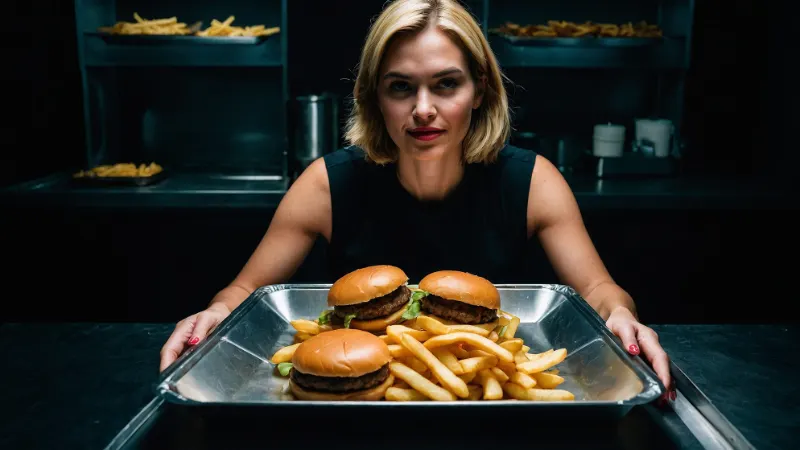
How Fast Food is Low-Key Taxing Your Health
I. Introduction You’re driving home after a long, exhausting day. The thought of chopping vegetables or waiting for rice to cook feels like running a marathon in slow motion. Then you spot the glowing sign of your favorite fast-food joint. Within minutes, you’ve got a warm burger and fries in your hands, and dinner is solved: affordable, quick, and delicious. But what if that quick fix comes with a bill you won’t see until years later, “paid not in cash, but in your health”? Behind the tempting flavors and convenience lies a hidden cost that could affect your physical, mental, and financial health costs in ways you might not realize. II. The Temptation of Convenience Time vs. nutrition trade-off Life right now is basically wake up, work, commute, scroll, repeat. Who’s got time to play MasterChef after all that? Cooking a balanced meal feels like trying to squeeze in a Netflix binge before your 6 a.m. alarm, not happening. Enter fast food and processed snacks: no chopping, no waiting, just pull up, order, and boom; instant serotonin. They’re packed with added sugars, refined carbs, salt, and fats that hit your taste buds like a TikTok trend you didn’t know you needed. But here’s the plot twist: those few minutes you “save” at dinner? They can steal years from your health. Sure, you get that flavor hit and instant fullness your brain’s been begging for all day. But it’s followed by a sugar high crash that leaves you hungrier, moodier, and wondering why, an hour later, you’re eyeing snacks once more. It’s a loop, like hitting “next episode” even though you swore you’d go to bed. The Subtle Pull of Clever Marketing Fast-food marketing is basically the ultimate “it’s not that deep” gaslight. Bright packaging? Instant dopamine. Catchy jingles? Living rent-free in your head since 2008. And those “value” meals? Just a sneaky way to make you think, “Yeah, I totally need the large fries and extra drink because it’s only $2 more.” Portion sizes keep quietly growing, combo deals make you feel like you’re winning at life, and “limited time only” drops hit harder when your favorite ice cream flavor suddenly comes back; suddenly you have to try it before it’s gone. Over time, these little marketing tricks aren’t just influencing what you order; they’re literally training your brain to crave it. The Affordability Illusion That $5 burger and fries? Feels like a steal until you realize it’s basically “buy now, pay later” but for your health. Sure, it’s cheap in the moment, but add in the hidden costs; doctor visits, meds, low energy dragging you through your day and suddenly that “value meal” is looking like the most expensive subscription you never meant to sign up for. What feels like a bargain now could end up charging interest on your future. III. Nutritional Pitfalls (aka The Sneaky Stuff Messing You Up) Excessive sodium Fast food is basically a salt bomb (significant source of sodium). Too much sodium = higher blood pressure, extra strain on your heart, and your kidneys working overtime. Hidden sugars Even “savory” meals can be sugar traps. They spike your blood sugar, mess with your insulin, and make weight gain way too easy. Unhealthy fats Think trans fats and sketchy oils; these cause inflammation, raise bad cholesterol, and just aren’t the vibe for long-term health. Empty calories All the energy, none of the nutrients. You end up eating more just to feel full, which can lead to overconsumption and malnutrition. IV. Impact on Physical Health (aka What It Does to Your Body for Real) Weight gain & obesity Processed food messes with your metabolism. Think more fat storage, slower calorie burns, and steady weight creep. Chronic diseases It’s not just about the waistline. Regular junk food runs up the risk of heart disease, diabetes, fatty liver, and even certain cancers. Weakened immunity Low in the good stuff (vitamins, minerals, antioxidants), so your body’s defense squad can’t fight off illness as well. V. Impact on Mental Health (aka How Junk Food Messes with Your Head) Mood swings When your blood sugar’s bouncing like a toddler on a trampoline, expect random irritability and “Why can’t I focus?!” moments. Brain lag Too much processed stuff = your brain running on potato chips instead of premium fuel. Over time, it can slow your mental game. Snack addiction High-fat, high-sugar foods hit your dopamine button like a TikTok notification, and suddenly you’re craving them 24/7. VI. The Long-Term Financial Cost (aka Junk Food is Low-Key Draining Your Wallet Too) Healthcare plot twist That “cheap” fast food meal might feel like a budget win today, but in the long run it can lead to higher healthcare costs. Regular consumption of processed meals is linked to heart disease, diabetes, and high blood pressure. These conditions often require ongoing prescriptions, diagnostic tests, and hospital visits, which can quickly drain your savings. What started as a quick dinner fix can turn into years of expensive medical bills. Work hustle crash Unhealthy eating does not just affect your body; it affects your productivity. Poor nutrition leads to lower energy, more sick days, and reduced focus. Over time this can result in missed promotions, fewer career opportunities, and a lower earning potential. The money saved on takeout today might cost you far more in lost income tomorrow. VII. Better Alternatives to Fast Food and Processed Meals Home-cooked meals rich in nutrition Cooking at home is the ultimate glow-up for your health. Filling your plate with fresh produce, whole grains, lean proteins, and healthy fats gives your body the nutrients it needs to thrive. Plus, you are in control of the ingredients, seasoning, and portion sizes, which means fewer hidden sugars, unhealthy fats, and excessive sodium sneaking in. Meal prepping tips Preparing meals is similar to using a cheat code to healthy eating. Setting aside a couple of hours on the weekend to chop veggies, cook proteins, and portion out snacks can save you time, money, and
How Fast Food is Low-Key Taxing Your Health Read More »