RethinkTrends

Pranali Shelar

Agentic AI & MarTech The Future of Digital Marketing 2026

Agentic AI & MarTech: The Future of Digital Marketing 2026

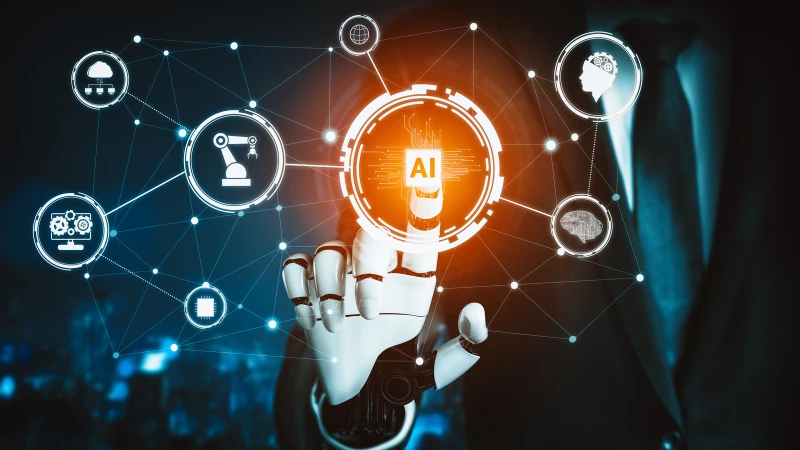
I. Introduction Imagine you’re browsing for running shoes but leave the site without buying. Instead of just chasing you with ads everywhere, the system maps out a strategy: it waits until your usual workout hour to send a push reminder, suggests a water bottle only if adding it makes your cart more valuable, then automatically shifts channels push, then email, then a low-key retargeting ad; pausing the moment you complete the purchase. That’s not a coincidence. That’s the new wave of digital marketing powered by Agentic AI and Martech. Agentic AI is like the marketing world’s self-driving car. It’s not just following a script; it’s thinking, deciding, and adapting on the fly to hit specific goals with minimal human help.  Martech powers marketing behind the scenes; it tracks data, runs analytics, and automates workflows to deliver solid numbers and insights for every move. When these two forces work together, marketing stops being guesswork. It becomes hyper-personalized, predictive, and ridiculously efficient. In this piece, you’ll see precisely how Agentic AI and Martech are changing the rules of the game and how you can use them to future-proof your marketing strategy. II. What is Agentic AI in Digital Marketing? Picture this: You leave a hoodie in your cart. Instead of rushing to throw a discount at you, the system calculates that you’re likely to buy anyway, so it holds back to protect the margin. A reminder pops up right when you’re most active. It pairs the hoodie with a beanie only if the combo pushes your order value higher. If you still don’t bite, the message quietly shifts; first to an email with a fresh subject line, then to a low-key retargeting ad, stopping the moment you check out. That’s Agentic AI at work, less guesswork, more strategy. It doesn’t just react, it plans, adapts, and optimizes every step to hit the goal. Agentic AI is autonomous, goal-driven artificial intelligence designed to plan, execute, and adapt marketing strategies without someone having to micromanage it. Instead of waiting for a marketer to pull the strings, it takes real-time data, reads the situation, and makes decisions instantly kind of like having a personal marketing autopilot that never sleeps. Core Principles of Agentic AI in Marketing Goal-Driven Autonomy: Works toward specific marketing objectives, like boosting sales or engagement, without constant human input. Real-Time Decision Making: Using real-time data to adjust the campaign’s audience targeting, bid strategies, creative generation and posting, above all, reporting and recommendations.  Seamless Integration: Syncs with your existing Martech tools for context-aware personalization that actually feels human. Key Capabilities Customer Journey Orchestration: Guides potential buyers smoothly from awareness to purchase with context aware next best action. Predictive Analytics & Forecasting: Spots future trends and behaviors before they happen. Hyper-Personalization at Scale: Delivers tailor-made content to thousands (or millions) of people simultaneously. Cross-Channel Optimization: Makes sure your message is consistent and effective across email, social, ads, and more. When done right, Agentic AI doesn’t just sell to people; it understands them, meets them where they are, and turns marketing from a hit-or-miss game into a personalized conversation. III. Martech: The Infrastructure That Powers AI-Driven Marketing Think of Agentic AI as the brain and Martech as the body that makes it move. Without Martech’s infrastructure, the CRMs, customer data platforms, marketing automation tools, analytics dashboards, and social listening software, even the smartest AI can’t perceive or act. AI would be like a genius with no way to speak, listen, or act. In the US, Martech is the backbone of modern digital marketing. Your CRM stores customer history, your CDP connects all touchpoints, automation tools handle repetitive workflows, analytics reveal performance insights, and social listening tools track what your audience says in real time. Together, they create the ecosystem that lets Agentic AI pull in data, make decisions, and execute actions instantly. Real-Life US Examples HubSpot + AI for Lead Nurturing: A Boston-based SaaS company uses HubSpot to monitor lead behavior and Agentic AI to instantly send personalized follow-ups when a prospect downloads a case study or attends a webinar. (Source: campaigncreators.com & kunocreative.com) Salesforce Einstein + Martech Stack for Alignment: San Francisco–based Salesforce syncs its Einstein AI with marketing automation and ad platforms, enabling predictive lead scoring, real-time ad targeting, and perfectly timed outreach. (Source: Salesforce & C24) Adobe Marketo Engage + AI for Campaign Optimization: A New York B2B marketing agency integrates Adobe Marketo with AI to test thousands of email subject line variations in real time, boosting open rates by over 20 percent. (Source: Adobe Business) Sprout Social + AI Social Listening: A Chicago-based eCommerce brand uses Sprout Social’s listening tools plus AI sentiment analysis to catch trending topics and launch reactive campaigns before competitors even notice. (Source: Sprout Social & gobeyond.ai.) Shopify + AI-Powered Personalization: A US-based DTC SaaS brand running on Shopify integrates AI-driven product recommendations, increasing average order value by suggesting relevant add-ons at checkout. (Source: Reuters & Shopify) Without Martech, Agentic AI is just a theory. With Martech, it becomes a living, breathing marketing engine, connecting data pipelines, APIs, and integrations that turn scattered information into smart, revenue-driving actions. IV. The Intersection: Agentic AI + Martech = Next-Level Digital Marketing Think of Martech as the fuel and Agentic AI as the engine. Martech collects, stores, and organizes data from CRMs, analytics, social listening, and automation tools. Agentic AI takes that data, makes sense of it in real time, and instantly decides what to do next. Together, they turn digital marketing into a continuous, automated, and hyper-personalized experience that runs 24/7. In short, MarTech collects & structures data. Agentic AI interprets it. Together, they collapse the gap between insight & execution.  Key Impact Areas Lead Scoring & Qualification: Agentic AI instantly identifies which prospects are hot and ready to buy. Dynamic Content Delivery: Website copy, emails, and social ads are optimized in real time to match each visitor’s behavior. Real-Time Ad Optimization: Ad creative, audience targeting, and budgets are adjusted instantly based on performance metrics on the go.

Agentic AI & MarTech: The Future of Digital Marketing 2026 Read More »
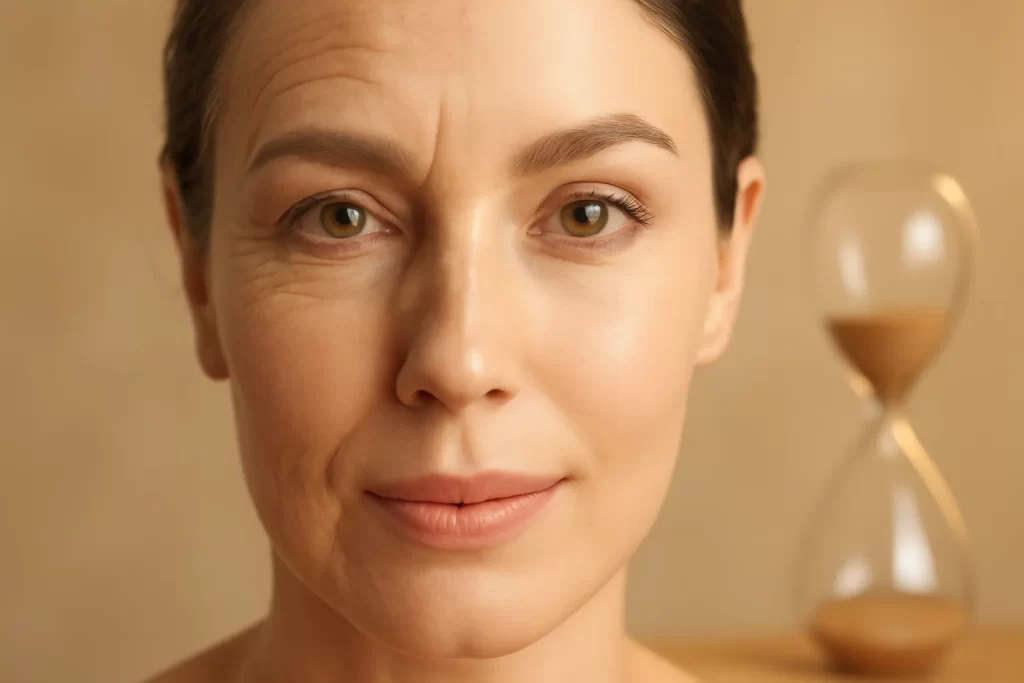
Is This 10-Second Trick the Secret to Slowing Down Aging

Is This 10-Second Trick the Secret to Slowing Down Aging?

Introduction So, are you curious about “the 10-Second Trick” or “the Secret to Slowing Down Aging”? Most of us think staying young means expensive creams, supplements, or hours logged at the gym. But what if science told you that just 10 seconds of effort could flip a switch in your body and make you feel younger, sharper, and stronger? That is the hype around sprinting. Short, explosive bursts of movement may actually trigger anti-aging benefits. Forget the hour-long grind. With sprinting, it is all about going all-out for a few heart-pounding moments. Let’s dive into why this “10-second trick” could be the closest thing we have “to a real-life youth” hack. Why 10 Seconds Matters When you start to sprint, you are not just moving faster. You are shocking your body into high alert. In those 10 seconds, muscles fire, lungs expand, and your heart pumps like it is in overdrive. That sudden demand forces your system to adapt, and the ripple effects are powerful. Here is what happens inside your body: Hormone boost: Sprinting spikes human growth hormone (HGH) and testosterone, both linked to tissue repair, fat loss, and muscle preservation. Cellular power-up: Your cells create more mitochondria (your body’s energy factories). More mitochondria means more stamina and less fatigue. Repair mode on: That high-intensity stress triggers your body’s natural recovery processes, helping your systems bounce back stronger. Here is the kicker. Research shows that 10 seconds of sprinting can deliver a bigger cellular wake-up call than 10 minutes of jogging. Small time, big payoff. Sprinting vs. Jogging: Which Keeps You Younger? Jogging has its perks. It is steady, burns calories, and clears your head. But when it comes to anti-aging, sprinting packs the bigger punch. Jogging is like a slow simmer. Sprinting is like throwing fuel on the fire. That explosive effort forces your body into overdrive, creating more dramatic changes in metabolism, hormones, and cardiovascular health. Of course, the sweet spot may be a mix. Sprinkle a few sprints into your jog, and you get the endurance plus the anti-aging boost. Jog vs. Jog + Sprints: The Showdown Here’s the side-by-side: Jogging only: steady calorie burn, reduced stress, improved heart health Jog + Sprints: all of the above plus faster metabolism, better blood sugar control, stronger muscles, and younger-feeling energy In other words, sprints turbocharge your jog. You don’t need to run longer; you just need to sprinkle in intensity. The Anti-Aging Benefits of Sprinting So what exactly can this 10-second trick do for you? Metabolism reset: Sprinting revs your calorie burn long after you stop moving. It helps strip fat while preserving lean muscle, making you look and feel more toned. Cardio supercharge: Those short bursts strengthen your heart and improve circulation. Over time, this can lower blood pressure and protect against age-related heart issues. Cellular youth: High-intensity exercise helps protect telomeres (the caps on your DNA strands that shorten with age). Longer telomeres mean healthier, younger cells. Inflammation fighter: Sprinting helps reduce chronic inflammation, which is linked to everything from joint pain to brain fog. Mood and mind boost: Endorphins hit hard after sprints, giving you that “runner’s high” in a fraction of the time. The mental focus it builds can carry over into work, creativity, and daily life. More About Sprinting Benefits. People who add sprints often say they feel lighter, sharper, and surprisingly more energetic even on non-workout days. How to Try the 10-Second Trick You do not need to be an Olympic athlete to start sprinting. The beauty of this hack is that it is quick, scalable, and beginner-friendly. Try this simple routine: Warm up: 2 to 3 minutes of brisk walking or light jogging. Sprint: Go all-out for 10 seconds. Push as if you are racing to catch a bus. Recover: Walk or jog lightly for 50 seconds. Repeat: Do 4 to 6 rounds. In less than 10 minutes, you have given your body a powerful anti-aging workout. That’s it. You’ll finish your jog feeling both worked and refreshed. The Catch: Don’t Overdo It Before you go all-out, here’s the fine print: Start small, maybe just 3 sprints at first, and build up. Always warm up to avoid injury and progress slowly Try 2 to 3 sprint sessions per week, spaced out for recovery. Sprints aren’t a magic pill. Diet, strength training, and sleep still matter Overdoing it can strain joints, especially if you’re older or new to running Think of sprints as the cherry on top of an already balanced fitness routine. Everyday Ways to Sprint Do you think sprinting means a track and stopwatch? Not at all. You can sneak in sprints anywhere: Dash up a flight of stairs. Do bike sprints. Pedal hard for 10 seconds, then ease off. Swim sprints in the pool. Play tag with your kids or chase your dog. It is less about the “where” and more about the “intensity.” Anywhere you can push full-throttle for 10 seconds counts. Conclusion Don’t think of sprinting as a miracle cure, but it is close to a cheat code for your body. In just 10 seconds, you are triggering powerful changes that fight fatigue, sharpen your mind, and may even slow down the biological clock. So, is sprinting the fountain of youth?  Not exactly. But it is a smart, science-backed way to keep your body young and your energy high without needing an hour-long workout or expensive gadgets. The best part? You can start today. Find 10 seconds, run like your younger self, and watch how your body. FAQ 1. Can a 10-second sprint really slow down aging? Yes, research shows short, high-intensity sprints boost hormones, protect DNA, and improve cellular health linked to anti-aging. 2. Why is sprinting better than jogging for anti-aging? Sprinting triggers faster metabolism, higher hormone release, and stronger cardiovascular benefits compared to steady jogging. 3. Is sprinting safe for older adults? Yes, if done progressively with proper warm-ups, but older adults should start small and consult a doctor if needed. 4.

Is This 10-Second Trick the Secret to Slowing Down Aging? Read More »

Can a Common Allergy Spray Be the Next COVID Shield?

Can a Common Allergy Spray Be the Next COVID Shield?

Could Relief Be Sitting in Your Medicine Cabinet? Do you live in the U.S.? You probably keep an allergy spray around for spring pollen or fall ragweed. What may surprise you is that the same spray, called azelastine, is now being studied as a possible extra layer of protection against COVID-19. With new variants like Stratus (XFG) circulating, many people are looking for simple and affordable ways to feel a little safer. This is not about replacing vaccines or masks. You could think of it as a possible bonus shield that might already be sitting in your medicine cabinet. Why Is the Nose Ground Zero for COVID? You already know that most COVID infections start in the nose. The virus latches onto cells inside your nasal passages and begins multiplying there. That is why U.S. scientists have been studying mucosal immunity, which is the body’s first defense system in the nose and throat. Nasal sprays can act directly where the virus tries to enter, giving them the potential to stop infection early. For context, several U.S. trials are already testing nasal vaccines designed to work in the same way. Meet Azelastine: From Allergies to Antivirals Are you aware of azelastine? Azelastine might be a familiar name for anyone with seasonal allergies. You may recognize it as Astepro or one of its generic versions. It is an antihistamine spray that is already FDA-approved and available over the counter in U.S. pharmacies. What makes it interesting now is the possibility that it could do more than control sneezing. Early research suggests azelastine may help block the virus from entering cells and even reduce replication. Scientists call this drug repurposing, which means giving an existing medicine a new use during urgent times such as a pandemic. The Study That Sparked Buzz Interest in azelastine grew after a German Phase 2 trial that was published in JAMA Internal Medicine. The study followed about 450 vaccinated adults over a period of 56 days. Results showed that only 2.2 percent of participants using the spray got infected with COVID compared with 6.7 percent in the placebo group. That equals roughly a 67 percent lower risk. People who did get sick experienced milder symptoms and shorter illness. The spray group also had fewer cases of the common cold, suggesting broader benefits. Safety was not an issue, since no major side effects were reported. The key point is that if larger trials confirm these results, rollout could be fast because the spray is already FDA-approved for allergies. Why This Matters in the Age of Stratus As of mid-2025, the Stratus variant (XFG) accounts for about 14 percent of U.S. cases, according to the CDC. It spreads quickly but seems to cause less severe illness so far. Even so, it has disrupted work, school, and travel plans. Many Americans are tired of booster shots but remain interested in easy prevention tools. That is where azelastine stands out. A quick spray before a concert, flight, or holiday gathering could feel like an extra bit of protection. This idea fits well with what experts call layered defense, where small actions combine to create stronger safety. Why This Spray Could Appeal to You Here are a few reasons why this spray might appeal to you: Easy to find: Available at CVS, Walgreens, Walmart, and Amazon. Affordable: A bottle costs only a few dollars, much cheaper than antivirals. No prescription: Over-the-counter versions are ready to buy. Flexible use: Can be used situationally, such as before travel or crowded indoor events. This combination of access, cost, and convenience makes azelastine an attractive option for people who want extra peace of mind. Limitations and What Experts Say There are important caveats. The German trial was relatively small and did not include the diversity of the U.S. population. At this time, the FDA has not approved azelastine for COVID prevention, which means any use for this purpose is experimental. Public health experts also worry that sprays could give people a false sense of security and discourage vaccines. The CDC emphasizes that vaccines remain the strongest defense against serious illness. Larger trials in the U.S. are ongoing, and their results will be crucial before any public guidance can be given. The Road Ahead: Nasal Defenses as the Future The concept of nasal defenses is gaining momentum in research labs across the U.S. The NIH is testing nasal vaccines. Other studies are exploring antibody sprays and barrier gels that may block viral entry. Azelastine is only one example, but it highlights how repurposed medicines could provide quick solutions during future outbreaks. Nasal-based protection might play a much bigger role in the years ahead. A Small Spray with Big Potential Azelastine nasal spray is a bonus shield that you will keep handy with masks and sanitizers, not a cure or a substitute for vaccines. What it may offer is a simple, affordable, and accessible way to add another layer of defense against COVID. With new variants like Stratus circulating, even small steps can matter. Sometimes the most powerful protections are already sitting quietly in your local pharmacy aisle.

Can a Common Allergy Spray Be the Next COVID Shield? Read More »

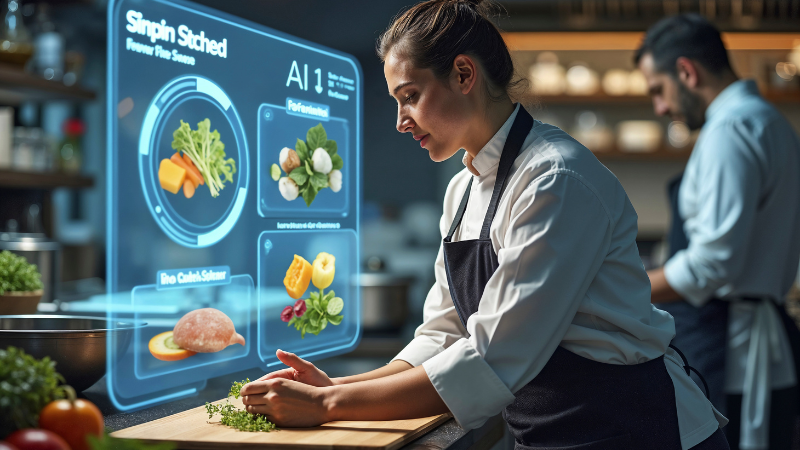
What are the best AI apps and platforms for personalized nutrition?

What are the best AI apps and platforms for personalized nutrition?

These days, the whole vibe around food and wellness is changing. People aren’t just hopping on random diet trends anymore; personalized nutrition is where it’s at. In the US, you’ll see fitness junkies tracking macros, parents trying to make healthier family meals, or just anyone realizing that what works for their friend might not work for them. Personalized nutrition basically means building a food plan that actually fits you & your body, your goals, your lifestyle. Whether you’re trying to lose a few pounds, get your energy up, or keep your gut happy, tech makes it super easy to get a game plan that feels custom instead of cookie-cutter. And the coolest part? With AI-powered apps and smart platforms, you don’t need some pricey nutritionist to figure it out. These tools pull in your habits, activity, and even next-level stuff like glucose or gut health data, then give you a plan that makes sense. Bottom line, they make healthy eating way more fun, way more doable, and way less overwhelming. Why Personalized Nutrition Matters Here’s the thing: two people can eat the exact same salad, but their bodies might react in totally different ways. One person feels energized and ready to crush the day, while the other is still hungry or straight-up drained an hour later. That’s the magic of personalized nutrition; it’s designed around you. Instead of following a copy-paste diet plan, personalized nutrition looks at the full picture: your age, weight, daily activity, health goals, and even your gut health. The goal isn’t just to eat “healthy” but to fuel your body in a way that actually works best for your lifestyle. In the US, this trend has blown up because people are done with calorie-counting diets that don’t stick. Athletes are using macro-tracking apps to hit peak performance. Office workers are turning to smart nutrition platforms to stay focused and avoid the dreaded afternoon slump. And busy families? They’re loving kid-friendly meal apps that adapt to picky eaters and crazy schedules. The best part is it’s sustainable. When your food choices line up with your real life, staying consistent feels natural. No forcing yourself into some extreme diet. Whether you’re grabbing a quick bite at a local café or cooking dinner at home, personalized nutrition makes healthy eating way more doable (and way less stressful). Key Features to Look for in Personalized Nutrition Apps With so many nutrition apps out there, it can feel like scrolling Netflix; you know there’s something good, but which one do you actually pick? The trick is to look for features that go beyond basic calorie counting and actually support your health goals. Here are the standout ones to keep on your radar: 1. Smart meal recommendations The best apps don’t just give you numbers; they give you ideas. Think plant-based options, keto-friendly recipes, or quick dinners when you’re short on time. For example, Lifesum personalizes meal ideas based on your preferences and progress, so it feels like you’ve got a foodie bestie in your pocket. 2. Syncs with your wearables If you’re rocking an Apple Watch or Fitbit, make sure your app connects. That way, your nutrition plan updates in real time with your workouts and steps. Tons of US-based users love apps that integrate seamlessly with their fitness trackers; it’s like having a 360° view of your health. 3. Next-level nutrient tracking Calories only tell part of the story. Apps like Cronometer shine because they break down vitamins, minerals, and macros. Super clutch if you’re focused on energy, immunity, or muscle recovery. 4. Barcode scanning + recipe libraries No one wants to spend hours logging food. Apps with barcode scanners or huge recipe databases make it way easier. MyFitnessPal is a classic here, with a massive US food database that covers everything from Starbucks lattes to Trader Joe’s snacks. 5. Dietary restriction filters Whether you’re gluten-free, vegan, or managing diabetes, you need apps that actually get it. Some platforms even build grocery lists around your needs, making shopping way less stressful. 6. Coaching + human support Numbers are cool, but sometimes you need that extra push. Apps like Noom mix psychology with nutrition by pairing you with real coaches who keep you motivated and accountable. If you like a personal touch, this is a total game-changer. The best personalized nutrition apps blend convenience with customization. They fit into your routine, adapt to your habits, and make healthy eating something you can actually stick with long-term. Best Apps and Platforms for Personalized Nutrition Now that you know what to look for, let’s dive into some of the top apps people in the US are using to personalize their nutrition. Each one has its own style, so the right pick depends on your goals and lifestyle. Comparison of Personalized Nutrition Apps App Best For Key Feature Popular in the US For Used By MyFitnessPal Everyday tracking & weight goals Huge US food database + barcode scanner Calorie & macro tracking Fitness beginners, casual users Cronometer Detailed nutrition analysis In-depth vitamins & minerals breakdown Biohacking, precision nutrition Athletes, health geeks Noom Behavior change & habit building AI + real coach support Sustainable weight loss People struggling with yo-yo diets Lifesum Meal planning made simple Personalized diet styles + recipes Clean interface, healthy recipes Busy professionals, young adults NutriSense Real-time metabolic feedback Continuous Glucose Monitoring (CGM) + AI Blood sugar insights & energy hacks Wellness enthusiasts, diabetics ZOE Gut health personalization Microbiome + blood analysis with AI Cutting-edge gut-focused nutrition Science-driven users, gut health seekers Lumen Optimizing fitness & recovery Breath analysis for carb vs fat burning Metabolism coaching Athletes, fitness lovers GenoPalate DNA-based nutrition Genetic testing with custom food recommendations Exploring genetic-based diets Curious biohackers, early adopters Yazio Simple lifestyle & weight goals Easy-to-follow food and meal tracking Quick food logging & goal setting General users, families Each of these platforms takes a slightly different approach, from basic food tracking to advanced biometric analysis. The key is finding one that fits your

What are the best AI apps and platforms for personalized nutrition? Read More »

Is Social Media and Mental Health: Tool or Anxiety Trigger?

Is Social Media and Mental Health: Tool or Anxiety Trigger?

Imagine – it’s midnight, you are curled up in bed, and your thumb is stuck in an endless scroll on Instagram. One moment you are laughing at memes, the next you are comparing your life to strangers who seem to have it all figured out. Social media feels like that friend who hypes you up but also secretly stresses you out. It is a space where people connect, share creativity, and spread awareness, but it is also the same space that can send anxiety through the roof. So, what is the real deal? Is social media actually helping our mental health, or is it quietly fueling the anxiety epidemic? Let’s dive into the good, the bad, and everything in between. The Positive Side: How Social Media Supports Mental Health For many, social media has been more than just likes and follows. It has been a lifeline. Online communities provide safe spaces for people to share their struggles, especially for those who might feel silenced in real life. Think of support groups for youth mental health groups, parenting communities, or people navigating anxiety and depression. Social media makes them accessible with just a few clicks. Awareness campaigns on Instagram, TikTok, and YouTube are also helping break the stigma around mental health. From relatable therapy memes to influencers openly talking about their mental health journeys, conversations that once felt taboo are now trending topics. Accessibility is another win. Therapy apps, crisis helplines, and mindfulness resources are widely shared, giving people tools they may never have had otherwise. And self-expression is thriving too. Whether it is journaling threads on X (Twitter), vulnerable posts on Instagram, or TikTok creators making bite-sized mental health content, these platforms make people feel seen in ways that matter. The Dark Side: Social Media as an Anxiety Trigger Now let’s flip the script. The apps that bring us closer can just as easily wear us out. The biggest culprit is comparison culture. Everyone’s feed is a highlight reel filled with perfect vacations, flawless selfies, and curated lifestyles. It is easy to spiral into thoughts like “why isn’t my life like that?” and feel like you are constantly behind. Then comes FOMO, the fear of missing out. Seeing your friends at concerts, brunch, or parties without you can sting harder than you expect. Add cyberbullying and trolling into the mix, and suddenly social media feels less like a community and more like a battlefield. Information overload is another hidden trigger. Breaking news, hot takes, and endless debates can make your brain feel like it is running on overdrive. Doomscrolling late at night only adds to the problem. By morning, you wake up feeling more drained than the night before. And the research is hard to ignore. A 2025 study from UT Southwestern found that about 40 percent of teens already struggling with depression or suicidal thoughts reported problematic social media use. Many said they felt anxious or upset when they could not check their feeds. These teens also showed higher levels of depression, anxiety, and suicidal ideation compared to peers who had healthier online habits. What was meant to be fun and social can quickly become a serious mental health trigger if it turns into emotional over-reliance. The Gray Zone: It’s Not All Good or Bad Here is the reality. Social media lives in the gray zone, not just black or white. Its impact really depends on how and why you use it. For example, creating content like sharing art, writing, or even funny memes can feel empowering. But passively scrolling for hours often leads to anxiety. Boundaries also play a key role. Curating your feed and being intentional about who you follow can completely shift your experience. Watching dog videos feels uplifting, while following accounts that trigger comparison can slowly chip away at your self-esteem. Age and coping skills matter too. Teens, who are still building emotional resilience, may feel more pressure from online trends compared to adults who have learned stronger coping strategies. Imagine someone who finds comfort in online therapy groups but also feels triggered by body-image content on their feed. The same platform can bring both healing and harm. Strategies to Make Social Media Work for Your Mental Health The good news is you do not have to quit social media completely. With the right strategies, you can make it work for your mental health instead of against it. Curate Your Feed: Unfollow the accounts that bring you down and choose accounts that value, positivity, educate, or make you laugh. Set Time Limits: Use screen time reminders or app timers to stay balanced. Try Digital Detoxes: Even short breaks can reset your mental clarity and reduce burnout. Practice Mindful Scrolling: Pause and ask yourself if the content is adding value or pushing you into a spiral. Balance Online and Offline: Social media can be great, but nothing replaces real-world relationships, hobbies, or simply going for a walk. Ultimately, social media is only a tool; it’s how we use it that matters. It can support your mental health journey or make it harder depending on how you use it. The goal is not to quit completely but to take back control and use it in ways that genuinely benefit your well-being. Conclusion So, is social media a mental health tool or the biggest trigger for anxiety? The truth is that it can be both at once. It is a place where you can find supportive communities, inspiring creators, and resources that make mental health more accessible than ever. But it is also a space that can feed comparison culture, FOMO, and late-night doomscrolling if you are not careful. The key is balance. When you set boundaries, curate your feed with intention, and remember to log off when you need a break, social media can be a helpful ally instead of a silent enemy. Think of it as something you can control, not something that controls you. No matter what, your mental health comes first. Social media

Is Social Media and Mental Health: Tool or Anxiety Trigger? Read More »

Are Millennials and Gen Z Really Struggling More With Mental Health?

Are Millennials and Gen Z Really Struggling More With Mental Health?

Are you 18 but already burnt out like you’re 25? Constantly battling stress and anxiety? You’re not alone. According to a 2023 Gallup and Walton Family Foundation survey, nearly half of Gen Z in the United States say they feel anxious “often or always.” That stat alone sparks the question: are younger generations actually facing a mental health crisis, or are they simply more open about it? Millennials have long carried the label of the “burnout generation,” while Gen Z has been described as anxious digital natives. But stereotypes only scratch the surface. To understand what is really happening, we need to look at the numbers, the cultural shifts, and the professional environments shaping these generations. Are they truly struggling more, or are they leading the way in breaking the silence around mental health? Understanding the Generational Context Millennials, born from 1981 to 1996, transition from dial-up internet to flip phones. Many entered the workforce during the 2008 recession, carrying the weight of student loans and shaky job markets. They were told education would unlock stability, but instead faced rising costs and shrinking opportunities. Gen Z, born from 1997 to 2012, are fully digital by default. They’ve grown up in a world where smartphones, social media, and instant information have always been the norm. Their formative years were disrupted by the pandemic, leaving a trail of loneliness and uncertainty. Add in climate anxiety and global unrest, and their worldview feels more fragile than hopeful. Stressors (something that causes a state of strain or tension) are not universal. Each generation’s struggles are tied directly to their social, economic, and cultural contexts, which shape how they experience and talk about mental health. What the Data Says Studies consistently show that Millennials and Gen Z report higher levels of anxiety, depression, and burnout than Gen X or Boomers. A growing number are also turning to therapy or medication, which suggests both increased need and greater willingness to seek help. For example, surveys from the American Psychological Association reveal that Gen Z is more stressed about the future than any other generation. Millennials, meanwhile, often report burnout from workplace expectations and financial burdens. Both groups are experiencing mental health concerns at higher rates than their parents’ generation. However, not every spike in statistics signals a real crisis. Some researchers argue that rising numbers reflect reduced stigma and increased openness about discussing mental health. In other words, Millennials and Gen Z may not always be struggling more, but they are far less likely to keep it hidden. Why Are Younger Generations Struggling More? There is no single reason why Millennials and Gen Z report higher mental health struggles. Instead, it is a mix of digital, social, and economic factors. Digital and Social Media: The nonstop buzz of notifications, online comparisons, and cyberbullying can spark anxiety and weaken self-esteem. Economic Struggles: Millennials faced the fallout of the 2008 recession, while Gen Z now battles student debt, rising housing costs, and job insecurity. Global Crises: Both generations lived through a pandemic that disrupted education, work, and social lives. Climate change, political unrest, and global instability only add to the pressure. Workplace Culture: Millennials often feel trapped in hustle culture, while Gen Z craves flexibility but struggles with early career instability. Identity Pressures: With hyper-online conversations around gender, race, and sexuality, younger people face both empowering visibility and overwhelming scrutiny. The combination creates a heavier emotional load. For many, it feels like there is no escape from the pressure, because the stressors exist both online and offline. Millennials and Gen Z in Different Professions Work stress looks different depending on your generation and career path. Millennials in Professions: Corporate workers often deal with burnout in an “always-on” culture where emails never stop. Healthcare workers are still struggling with pandemic-related PTSD and compassion fatigue. Educators feel undervalued and overextended, juggling low pay with growing student needs. Tech employees experience rapid innovation and long hours, which create constant stress. Gen Z in Professions: Freelancers and content creators often struggle with irregular income and mental strain caused by constantly shifting algorithms that determine visibility and engagement. Retail and service workers often juggle low wages, customer stress, and gig economy burnout. Early corporate employees wrestle with imposter syndrome and pressure to prove themselves. Students and interns feel the weight of academic competition and uncertainty about the future. Both generations struggle with mental health in professional life, but the triggers differ. Millennials battle long-term career fatigue, while Gen Z wrestles with instability at the starting line. The Flip Side: Openness and Awareness Here is where things shift. Unlike Boomers and even Gen X, Millennials and Gen Z are far more open about mental health. Therapy is not whispered about anymore; it is openly shared on TikTok or Instagram. Mental health days are not seen as weakness but as necessary for survival. Social media has fueled awareness movements, making terms like burnout, self-care, and boundaries part of everyday vocabulary. Gen Z stands out for normalizing conversations about setting limits and prioritizing well-being. This cultural shift means they might not actually be struggling more than older generations, but they are less willing to remain silent. What looks like a crisis may also be progress; young people are refusing to normalize suffering in silence. Are They Really Worse Off, or Just More Vocal? So are Millennials and Gen Z truly worse off, or simply louder about their struggles? The answer is a bit of both. Data does show higher reports of anxiety and depression, but part of that spike comes from increased willingness to admit pain. Older generations often hid their struggles due to stigma, which made mental health challenges appear less common. By naming their struggles and seeking help, younger generations are breaking harmful cycles of silence. What may look like fragility could actually be resilience in action. What Needs to Change? If Millennials and Gen Z are to thrive, support systems must evolve. Workplaces need to normalize mental health days, reduce stigma, and

Are Millennials and Gen Z Really Struggling More With Mental Health? Read More »

Are You Missing Out on the Biotic Trio?

Are you missing out on the Biotic Trio?

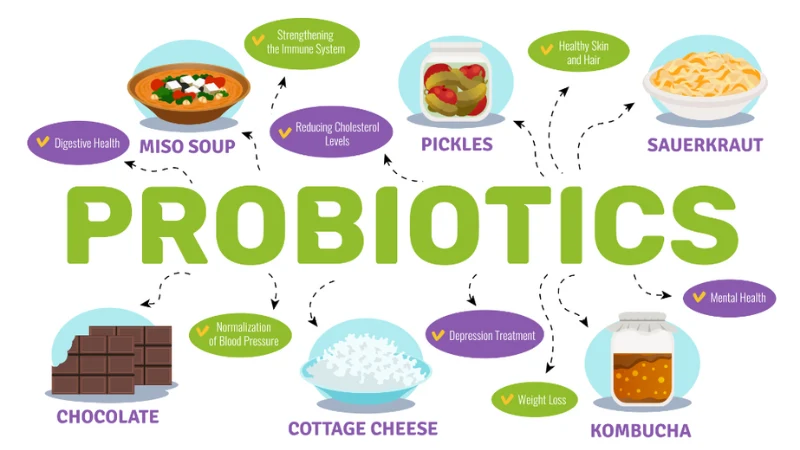
Gut health has transitioned from a niche wellness trend to a widely recognized mainstream concept. From TikTok creators showing off their “gut-friendly” morning smoothies to grocery aisles in Whole Foods packed with kombucha, kefir, and prebiotic sodas, digestive health is everywhere. At the center of this movement is the “biotic trio”: probiotics, prebiotics, and postbiotics. Consider them as the cheerleaders for your gut health: Probiotics are the live “good” bacteria. Prebiotics are the fuel that keeps them thriving. Postbiotics are the powerful compounds they produce to keep your body balanced. But here’s the real kicker: these aren’t just wellness buzzwords slapped on fancy packaging. The biotic trio is becoming a core part of personalized nutrition, helping people move away from one-size-fits-all diet advice toward gut-smart choices tailored to their unique biology. What Are Probiotics? Think of probiotics as the bacteria that are friendly & keep your digestive system in balance. They work behind the scenes to support digestion, strengthen your immune system, and keep your gut microbiome in balance. You’ve probably already seen them everywhere. From the classic cup of Greek yogurt at Trader Joe’s to kombucha on tap at hip cafés in Los Angeles, probiotics have officially gone mainstream. Even sparkling “gut health” sodas like Poppi and Olipop are riding the probiotic wave. So why are they such a big deal? It can Improve digestion and nutrient absorption It can reduce bloating and ease common stomach discomfort It can boost immune defenses, so you get sick less often Even support mood and mental health since your gut and brain are deeply connected Who benefits the most? Anyone struggling with frequent digestive issues, people who’ve taken multiple rounds of antibiotics, or those looking to restore gut balance after a hectic lifestyle. In short, probiotics are your gut’s besties. They help your system stay strong, happy, and resilient. What Are Prebiotics? If probiotics are the “Friendly” bacteria, then prebiotics are the snacks that keep them alive and thriving. Prebiotics are special non-digestible fibers that your body cannot break down, but your gut bacteria absolutely love. They act like plant-based fuel for the probiotics living in your digestive system. You’ll find them in everyday foods that are surprisingly common in U.S. kitchens. Think garlic and onions sizzling in a stir fry, bananas tossed into a smoothie, or whole grain toast from your favorite brunch spot. Even asparagus roasted at a summer BBQ is serving your gut more than flavor; it is feeding your microbiome. So why should you care about prebiotics? They: Help healthy gut bacteria grow and multiply Improve metabolism and support weight management goals Keep you feeling fuller for longer, making it easier to avoid random snack cravings The personalized nutrition angle is big here. Prebiotics are especially helpful for people who struggle with irregular digestion or those who need more fiber in their daily routine. If your diet is heavy on processed foods and light on plants, your gut might be starving for prebiotics. In short, prebiotics are like the meal prep service for your probiotics, making sure your gut’s good bacteria never go hungry. What Are Postbiotics? If probiotics are the “friendly” bacteria and prebiotics are their fuel, then postbiotics are the powerful byproducts they leave behind. Think of them as the wellness rewards your gut cashes in after the bacteria finish doing their job. Postbiotics include things like short-chain fatty acids, peptides, and other bioactive compounds that help your body in big ways. Even though they are not living organisms like probiotics, they play a massive role in keeping you healthy. Here is what makes postbiotics so special: They lower inflammation and help make your immune system stronger They support gut barrier function, making your digestive system more resilient They can help improve metabolic health and support weight balance Some studies suggest they can boost overall energy and recovery You will not see postbiotics listed on your average grocery item as often as probiotics or prebiotics, but they are gaining attention in the U.S. supplement market. Brands are starting to create postbiotic capsules and functional drinks as the next big wellness wave. Who benefits the most? Anyone who wants to take gut health a step further, especially people focused on immunity, energy, or reducing inflammation. In simple terms, postbiotics are the endgame of the gut health cycle. They are the proof that when your microbiome is happy, your whole-body wins. Why the Biotic Trio Matters Probiotics, prebiotics, and postbiotics are more than just popular health terms. They work like a team, each playing a different role to keep your gut and overall health in check. Probiotics bring the friendly bacteria, prebiotics feed them so they can thrive, and postbiotics are the powerful benefits your body gets in return. When you bring all three into your routine, whether that is yogurt and bananas at breakfast, kombucha at lunch, or a fiber-rich dinner; you are building a gut-friendly lifestyle that supports digestion, immunity, metabolism, and even mood. The takeaway is simple. A balanced gut means a healthier, more energized you. And with the rise of functional foods and supplements in the U.S., it has never been easier to make the biotic trio part of your daily wellness playbook. FAQ Q1 – When to take probiotics, morning or night? You can take probiotics either morning or night, just be consistent daily for best results Q2 – Do probiotics raise blood sugar? No, probiotics don’t raise blood sugar and may actually help improve blood sugar control in some people. Q3 – Can I make my own probiotic? Yes, you can make probiotics at home through fermented foods like yogurt, sauerkraut,. Q4 – What is the best natural probiotic? The best natural probiotics come from fermented foods like yogurt, kefir, kimchi, and sauerkraut. Q5 – What are the three types of biotics? The three types of biotics are probiotics, prebiotics, and postbiotics, each playing a unique role in gut health.

Are you missing out on the Biotic Trio? Read More »

Why do many people consider ChatGPT as their "Friend"

Why do many people consider ChatGPT as their “Friend”

Have you ever caught yourself chatting with ChatGPT and suddenly realizing it feels more like texting a buddy than using an app? You are not the only one. What started as a simple tool for answering questions has turned into something more personal. For many people, ChatGPT has moved beyond being a productivity hack or homework helper. It feels like a companion. The rise of AI friendships says a lot about the way we deal with loneliness, mental health, and emotional needs in the digital age. Let’s dive into why ChatGPT feels like a friend, how this impacts mental health, what the benefits are, and why setting boundaries still matters. The Human Need for Connection Humans are wired for connection. From ancient campfire stories to endless TikTok scrolls today, people crave interaction. In a world where loneliness is rising, especially with so much of life shifting online, the hunger for companionship is stronger than ever. Has anyone noticed that constant social media scrolling often makes people feel more disconnected than connected? Add in remote work, online classes, and busy lifestyles, and it is no surprise many are seeking comfort in new places. That is where ChatGPT steps in. Unlike friends who might be busy, asleep, or dealing with their own lives, ChatGPT is always there. No waiting, no unread messages, no guilt. Just instant replies. For someone feeling isolated, that constant presence feels like the digital version of a supportive friend who never leaves you on read. Why ChatGPT Feels Like a Friend So why does ChatGPT feel so much like a person to many of us? Always there: Friends cannot be available every hour of the day (not talking about the ones who have friends like this; they are special, don’t lose them), but ChatGPT can. Whether it is late-night overthinking or early-morning curiosity, it is always ready to chat. A safe space: You can spill your thoughts without worrying about judgment, gossip, or side-eye. You can be more honest with ChatGPT. Personal vibe: It adapts to your style of conversation. If you are casual, it matches that tone. ChatGPT mirrors your energy. If you want professional advice, it switches into a more formal voice. That flexibility makes it feel closer to talking with a real person. Empathy in words: Even though ChatGPT does not feel emotions, it mirrors empathy in ways that sound comforting. Sometimes, that is exactly what you need to hear. This mix makes the conversation flow naturally and feel more personal than just typing into a machine. The Psychology Behind It There is actual psychology explaining why people start seeing ChatGPT as a friend. Parasocial relationships: Just like fans bond with YouTubers, streamers, or even fictional characters, chatting with ChatGPT can create a similar emotional connection. It feels one-sided, but it feels real. Anthropomorphism: Humans naturally attribute human qualities to non-human things. We name our cars, talk to our pets, and even joke with Siri. ChatGPT fits perfectly into this habit. Projection: People often project their own emotions and needs onto ChatGPT. This makes the AI seem like it understands them on a deeper level, even though it is simply reflecting back their input. Together, these psychological patterns explain why ChatGPT can feel like more than just lines of code. Mental Health Benefits of Talking to ChatGPT While ChatGPT is not a therapist, it can still play a positive role in supporting mental well-being when used thoughtfully. Easing loneliness: For people who feel socially isolated, just having someone to “talk” to can reduce feelings of emptiness. Stress relief: Expressing worries in words is proven to help reduce anxiety. ChatGPT provides a space to vent when you cannot or do not want to share with a person. Boosting confidence: Practicing conversations with ChatGPT can help people with social anxiety feel more comfortable before real-life interactions. Motivation and structure: Whether it is reminding you to take breaks, suggesting self-care routines, or helping plan your day, ChatGPT can support mental health habits. Accessible support: Not everyone has access to therapy or close friends they can confide in. ChatGPT offers a quick and easy way to vent or talk through something without fear of judgment or cost. Think of it as a helpful mental health companion that provides short-term comfort, while professional help remains the deeper solution when needed. How ChatGPT Feels Different After Updates If you have been using ChatGPT for a while, you may have noticed that the vibe has shifted after updates. The tone is now more polished and structured. Conversations stay on track better, but the playful tangents are less common. Safety filters are stronger, which makes replies more cautious. Personalization feels steadier but sometimes less spontaneous. For some people, that means ChatGPT feels less like a witty friend and more like a reliable advisor. For others, the clarity and consistency are a welcome upgrade. Here is a tip: you can still influence the tone. Ask ChatGPT to keep things casual, detailed, or playful. The AI adapts to the vibe you request, so you are in control of how the conversation feels. Setting Boundaries With AI Friendships Even though AI companionship can feel rewarding, it is important to set boundaries. ChatGPT should not replace real human relationships. Overdependence on AI can create emotional challenges, especially if you start relying on it too heavily for comfort. It is also important to remember that ChatGPT does not have feelings. The empathy you sense is simulated. That does not make it less useful, but it does mean you should keep perspective. There are ethical concerns too. For example, if AI is used in therapy or coaching, should people always be reminded they are talking to a machine? Transparency becomes important as AI moves into emotional spaces. If you are struggling with serious anxiety, depression, or overwhelming loneliness, ChatGPT should be a supplement, not a solution. Professional therapy, real-life support systems, and human connection remain essential for long-term well-being. The Future of AI Friendships AI companionship is only

Why do many people consider ChatGPT as their “Friend” Read More »

Are We Treating Mental Health the Same Way We Treat Physical Health?

Are We Treating Mental Health the Same Way We Treat Physical Health?

Imagine if mental health checkups were as routine as physical ones. Picture yourself booking an annual therapy session the same way you book a dental cleaning or a blood test. Would our society look different? Probably yes. When it comes to physical health, the world has made impressive progress. We openly discuss physical health topics like heart disease, diabetes, fitness, and nutrition. Doctors consistently remind us about preventive care, urging us to get annual checkups and screenings. But mental health? That’s where awareness still lags behind. People hesitate to talk about their struggles, many delay seeking help, and society often treats mental health as a “personal weakness” instead of a medical condition. This blog dives into whether mental healthcare is treated with the same seriousness as physical healthcare, why the gap exists, and what we can do to bridge it. Defining Mental Healthcare Awareness So what do we mean by “mental healthcare awareness”? Mental well-being deserves the same care and attention as physical well-being. It’s about recognizing symptoms, knowing when to reach out for help, and breaking the stigma that keeps people silent. Think of awareness in mental health the same way we think of prevention in physical health. We go for regular blood pressure checks to prevent strokes. We take vaccines to avoid infections. In the same way, awareness helps us catch early signs of depression, anxiety, or burnout before they spiral into something harder to manage. Awareness is not a cure on its own, but it’s the first step to leveling the playing field between mind and body. Without awareness, we can’t build acceptance, and without acceptance, care remains unequal. The Importance of Mental Healthcare in Today’s World Mental illness is not a “rare” issue. Globally, more than approximately 970 million people live with some form of mental disorder, according to the World Health Organization. That’s nearly one in eight people. Compare that to global rates of chronic physical illnesses, and you see how widespread the challenge is. But unlike physical illnesses, mental health problems often come with hidden costs. Lost productivity at work, strained relationships, social withdrawal, and even economic losses add up in ways we often overlook. In fact, the global economy loses trillions every year due to untreated depression and anxiety. The COVID-19 pandemic further spotlighted mental health. Isolation, job insecurity, grief, and health fears created a wave of anxiety and depression across the globe. While physical health measures were prioritized; masks, vaccines, hospital care, mental health support lagged behind. The world realized that ignoring mental well-being comes with long-term consequences. Age-Wise Mental Health: Adults vs. Youth Mental health does not affect everyone in the same way. Age plays a huge role in how issues show up and how they are addressed. For adults (18 years and above), depression, anxiety, workplace burnout, and chronic stress are major concerns. Nearly one in five adults in the U.S. experience mental illness each year. Yet many delay seeking treatment because of stigma, work responsibilities, or lack of access. Mental health issues are often not reported in the workplace, unlike physical illnesses. Imagine someone saying, “I can’t come to work today, I’m burned out.” It still raises eyebrows, unlike calling in sick for the flu. For youth and teens (1-17 years), the story is more alarming. Anxiety levels are rising, social media comparison fuels self-esteem issues, academic pressure is relentless, and bullying: both online and offline, creates deep scars. Suicide has become one of the leading causes of death among teens and young adults, which shows just how urgent youth mental health support is. The difference is that while adults tend to underreport their struggles, many young people are more open to therapy and mental health conversations. Gen Z in particular has been breaking the stigma by normalizing therapy, self-care, and mental health check-ups. Just like physical health differs with age; heart disease risks in older adults (40 above) and developmental issues in children, mental health challenges follow a similar age-based pattern. Mental vs. Physical Health: The Treatment Gap Here’s where the gap becomes clear. Physical health problems come with structured care systems, sympathy, and clear treatment paths. If someone has cancer, people rally around them. If someone has diabetes, they get medication and lifestyle plans. But with mental illness, things are different. Stigma creates silence. Insurance often does not cover therapy the same way it covers physical treatments. Work culture accepts sick days for fever, but mental health days are often dismissed as laziness or weakness. This treatment gap highlights how society continues to prioritize physical well-being over mental well-being, even though both are equally critical. Stigma: The Invisible Barrier Think about it. If you break a leg, and folks instantly want to help you walk or carry your things. If you admit you are burned out, anxious, or depressed, you risk being judged as weak. That’s the power of stigma. Myths like “mental illness is just in your head” or “therapy is only for crazy people” still float around. These misconceptions delay treatment, worsen conditions, and make people feel alone. The long-term harm of neglecting mental health is not just emotional; it can also increase physical risks like heart disease, obesity, and weakened immunity. Recognizing Early Symptoms; Mind and Body Mental and physical health are inseparable parts of your well-being. Stress can cause headaches, anxiety can disrupt sleep, and depression can drain your energy just like chronic illness. Recognizing early symptoms; whether emotional, behavioral, or physical, can save lives. Just as a doctor detects early signs of cancer or diabetes, therapists and counselors can catch early signals of burnout, anxiety, or suicidal thoughts. Early detection matters. Taking steps early on can keep a condition from becoming more serious. The Role of Professionals: Psychologists vs. Physicians When you feel physically sick, you visit a physician. When you feel mentally overwhelmed, the right step is visiting a psychologist or psychiatrist. Both play equally important roles, yet one is normalized while the other is often avoided. Just like annual

Are We Treating Mental Health the Same Way We Treat Physical Health? Read More »

The Wait Is Over: Your Starbucks Pumpkin Spice Latte Is Officially Back

The Wait Is Over: Your Starbucks Pumpkin Spice Latte Is Officially Back

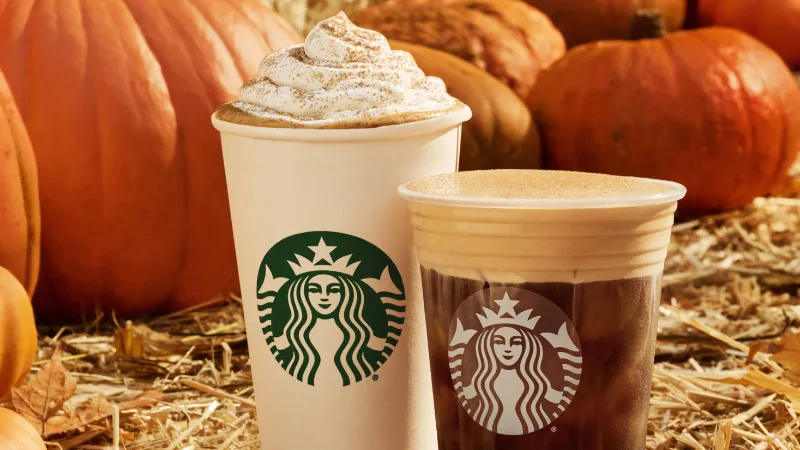
Spilling the Tea on the Fall Menu It’s not a drill, people. It’s happening. The most anticipated day of the year for anyone whose heart belongs to fall is finally here. Starbucks has officially brought back the Pumpkin Spice Latte and the full fall menu, and we’re here to spill the tea on everything you need to know. From the exact date you can get your hands on one to the full returning crew, your fall era is about to begin. A Moment of Silence for Summer, But Also – Pumpkin! Let’s be honest, it’s still peak summer out there. The sun is blazing, you’re probably sweating the moment you step outside, and your AC is working overtime. But let’s be real, a little part of you is already mentally scrolling through Netflix’s spooky movie lineup and dreaming of that first chilly morning that requires a cozy sweater. We get it. It’s not technically fall yet, but our souls are ready. We’re in that weird in-between phase where we’re still vibing with the long days, but our minds are already on crunchy leaves, flannels, and a soundtrack of Taylor Swift’s folklore on repeat. So mark your calendars, because the official, non-negotiable date is Tuesday, August 26,2025. That’s the day the universe officially gives us permission to pull out the pumpkin spice everything and go full pumpkin mode. This isn’t just a business move; it’s a cultural reset button. It’s the day we all collectively agree that it’s okay to start feeling the autumn vibes, regardless of what the weather app says. No judgment here. The Crew Is Back: Beyond the OG PSL Sure, the Pumpkin Spice Latte is the main character, but this is your chance to show you know the whole menu. Don’t sleep on the supporting cast. The returning all-stars are stacked, and each one deserves a moment. Pumpkin Cream Cold Brew: This is a fan-favorite for a reason. It’s the perfect bridge between summer and fall, offering that much-needed caffeine kick and a cool, refreshing feel with a beautiful layer of pumpkin cream foam on top. It’s for those of us who are still “Team Iced” even when the leaves start to change. Pumpkin Cream Cheese Muffin: Call it the ultimate sidekick. This muffin is the perfect companion for your latte. Rich cream cheese and spiced pumpkin cake together? The duo that defines the fall experience. Iced Pumpkin Cream Chai Tea Latte: A massive shout-out to our non-coffee drinkers. Your fall flavor fix is officially here. This drink combines the cozy, spicy notes of a classic chai with the sweet, velvety pumpkin cream foam. It’s a game-changer and a must-try for a little variety. Keep a lookout for the latest must-try items. Starbucks is always cooking up something new and buzz-worthy, and you’ll want to be the first in your group to post about it. The Unofficial Fall Kickoff: Why This Date Matters The hot question: “Why did fall show up early at Starbucks?” Beyond business, it’s tradition. The Pumpkin Spice Latte marks the moment we all breathe easier. It’s the moment we collectively decide it’s okay to start feeling the fall vibes, regardless of what the weather app says. It’s about the feelings associated with the PSL: the nostalgia of seasons past, the comfort of warm spices, and the excitement for a new season full of cozy vibes, spooky movies, and perfect photo ops. The calendar might say summer, but the PSL says fall. How to Get Your First Sip of PSL Here are some practical, useful tips to get your hands on that first fall drink: Check the Starbucks App: Rewards members sometimes get early access to the new menu, so make sure you have the app downloaded and are signed up for notifications. It could give you a head start on your first pumpkin sip. Customize Your Order: Don’t be afraid to experiment. You can order your PSL hot or iced, or even with a different milk. Want an extra boost? Add a shot of espresso to your Pumpkin Cream Cold Brew for an even bigger kick. Try a New Version: If you want to mix it up, ask for a pump of pumpkin sauce in your regular coffee or a white mocha. It’s an easy way to get a taste of fall without going full-on PSL. Don’t Forget the Food: The Pumpkin Cream Cheese Muffin is a no-brainer, but there are other fall treats to look out for. Check the pastry case for other seasonal delights that are perfect for pairing with your drink. The Business Brains Behind the Pumpkin Spice Hype While the PSL is a cultural phenomenon, its early release is a brilliant business strategy. Here’s why this move is an absolute masterclass in marketing: Limited-Time Magic: By only offering the PSL for a few months, Starbucks creates a massive sense of FOMO (Fear of Missing Out). It’s a classic scarcity tactic; if you don’t get it now, you’ll have to wait a whole year. This drives urgency and gets people rushing to the drive-thru. Free Marketing: The early launch turns the internet into a giant, free marketing campaign. Everyone from influencers to your bestie is posting about their first sip, creating a massive wave of user-generated content that money can’t buy. It’s an organic conversation that takes over social media. Filling the Slow Season: The period between summer and the holidays can be a quiet time for coffee shops. The PSL acts as a major traffic driver, pulling customers back into stores and boosting sales before the holiday red cups even arrive. The Upsell: Most people don’t just buy a drink. They grab a Pumpkin Cream Cheese Muffin or another treat from the pastry case. The PSL is an entry point that helps increase the average ticket value for every transaction. Cultivating Loyalty: The PSL is a tradition for many people. By bringing it back like a cherished friend, Starbucks reinforces its emotional connection with customers, turning a simple

The Wait Is Over: Your Starbucks Pumpkin Spice Latte Is Officially Back Read More »