RethinkTrends

Sports

What Is SkiMo? Why Is It Making Headlines at the Winter Olympics

What Is SkiMo? Why Is It Making Headlines at the Winter Olympics

When most people think of the Winter Olympics, they picture speed. Downhill skiers carving through ice at 130 km/h. Bobsleds screaming down frozen tracks. Figure skaters floating across polished arenas. But at the 2026 Winter Olympics, something very different made its debut. It wasn’t louder. It wasn’t flashier. And it didn’t rely on billion-dollar arenas. It was SkiMo! It may quietly represent the future of the Winter Games. In the winter of 1943, Swiss soldiers moved across the Alps under cover of darkness, skis cutting through wind-hardened snow. They were not racing for medals. They were testing endurance, navigation, and survival in unforgiving terrain. Heavy packs pressed into their shoulders. Glaciers stretched beneath them. Avalanches were not a metaphor; they were a threat. Those military patrol missions would later evolve into the legendary Patrouille des Glaciers, one of the most demanding alpine races in the world. Early editions were so brutal that fatalities forced suspensions. The mountain did not forgive mistakes. SkiMo, a.k.a ski mountaineering, was not created for spectacle. It emerged from necessity. And in February 2026, that same discipline stepped onto the Olympic stage at the 2026 Winter Olympics. To understand why that moment matters, you have to understand what SkiMo carries with it. Climbing, Descending, Repeat: What SkiMo Really Is Ski mountaineering, unlike traditional skiing which is performed in downward motion, it combines both uphill climbing and downhill skiing in one continuous race. Athletes attach removable “skins” to their skis so they can grip snow while ascending steep slopes while playing SkiMo. At transition zones, they strip the skins off in seconds, lock their bindings, and descend technical terrain at speed. Some sections require competitors to shoulder skis and climb on foot before dropping back into a descent. The Olympic sprint format condenses this entire cycle into roughly three to four minutes of high-intensity racing. It is explosive and fast enough for modern broadcast rhythms, yet the essence of SkiMo remains unchanged: lungs burning at altitude, legs straining against gradient, precision demanded at every transition. Unlike many winter disciplines shaped by engineered tracks or enclosed arenas, SkiMo remains visibly dependent on landscape. The terrain dictates rhythm. The snowpack influences tactics. Altitude shapes pacing. Even in a compressed Olympic format, the mountain remains an active participant. From Survival Skill to Structured Sport SkiMo’s origins lie in practicality. In Alpine regions, skis were tools for winter mobility long before they became competitive equipment. Military patrols during World War II formalized endurance skiing into organized events, but the skill itself had centuries of precedent. Ski mountaineering belongs to a broader lineage of Olympic sports that began as survival or warfare skills. Archery developed from battlefield practice. The marathon traces back to military dispatch. Wrestling evolved from combat training. Biathlon emerged directly from Scandinavian military patrol competitions. Over time, these necessities for survival became rituals of peaceful competition. What once preserved life became a celebration of human capability. SkiMo stands out because its connection to that origin is still palpable. Watching a race, you can see the practical logic embedded in every movement. Climb efficiently. Transition quickly. Descend decisively. Conserve energy. Adapt to terrain. The sport has modern equipment and refined rules, but its core remains elemental. Why Mountains Are Drawing People Again SkiMo’s Olympic debut in 2026 arrives during a period of renewed fascination with mountains and endurance culture. Trekking communities are expanding globally. Ultra-endurance races fill within hours of opening registrations. Mountaineering documentaries consistently draw international audiences. This attraction reflects more than recreational preference. In an era defined by digital saturation, urban density, and constant connectivity, mountains offer contrast. The Culture Behind the Climb The timing of SkiMo’s Olympic debut comes amid a noticeable cultural shift: across the globe, participation in winter sports and related outdoor pursuits has been growing. It is not a mere contemplation but the statistics back it up. The global number of winter sports participants reached 358 million in 2022, up 4.2 % since 2020. Alpine skiing alone had 145 million participants worldwide that year. Beyond structured sports, trekking, backcountry skiing, and mountain exploration communities have expanded rapidly in recent years, with outdoor and adventure tourism emerging as a major cultural force. Mountains offer challenge, silence, and consequence, a counter-rhythm to urban life and digital saturation. The Olympic Moment: Milan-Cortina 2026 The 2026 Winter Olympics marks Italy’s return to hosting the Winter Games, with events spread across northern regions that blend metropolitan venues in Milan with historic alpine settings in Cortina d’Ampezzo. Approximately 2,800 athletes from more than 90 nations are competing in 116 medal events across eight winter sports. The official mascots Tina and Milo were chosen from over 1,600 entries from Italian schoolchildren. They’re stylised stoats meant to capture agility, adaptability, and the alpine spirit traits that also reflect SkiMo’s character. Within that broader Olympic program, SkiMo’s debut includes sprint and mixed relay events staged in high-altitude environments that maintain the sport’s connection to natural terrain. Its inclusion expands the Winter Games while preserving their mountain character. A Contemporary Undercurrent Ski mountaineering’s arrival on the Olympic stage also reflects broader global dynamics. Winter sports increasingly navigate questions of sustainability as climate variability affects snow reliability. Disciplines that rely more directly on adaptable alpine terrain offer flexibility within this shifting landscape. At the same time, audiences have shown sustained interest in endurance competitions that foreground visible effort. Mountain sports carry a narrative of resilience that resonates beyond podium results. In a world often marked by political tension and accelerated information cycles, mountains offer a different rhythm. They are indifferent to rhetoric. They demand preparation and humility. SkiMo channels that ethos into a structured, international competition without stripping away its origins. From Battlefield to Broadcast The arc from wartime patrol missions to Olympic finals is not merely a timeline of sport; it is a transformation of context. What began as a military endurance test now unfolds in peaceful competition among nations. Uniforms have changed. Equipment has evolved. Spectators line the course and broadcasts reach

What Is SkiMo? Why Is It Making Headlines at the Winter Olympics Read More »
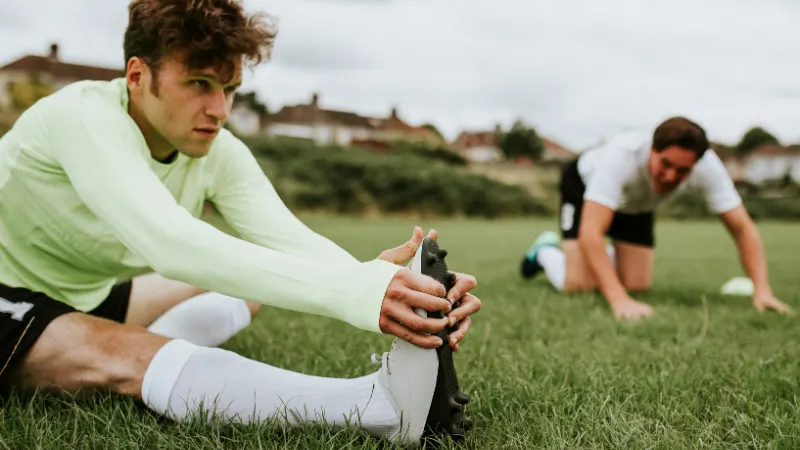
Stronger or Injured The Truth About Football Training

Stronger or Injured? The Truth About Football Training

Curious How Football Training Has Evolved These Days? Ever wondered why NFL players today move like superheroes compared to the guys from the ’90s? Don’t you think football training has leveled up in a big way? Athletes now use GPS trackers, AI analytics, and recovery monitoring to optimize every sprint, lift, and rest period. Coaches tailor programs for each player to maximize performance and minimize injury risks, making training smarter and more efficient than ever before. The NFL Combine highlights this evolution. Forty-yard dash times, vertical jumps, and bench presses are all at an elite level thanks to high-tech training programs. With the upcoming Kansas City Chiefs vs Buffalo Bills game, fans can witness firsthand how athletes use these techniques onto the field play. Speed, agility, and explosive power are at an all-time high, making the sport faster and more intense than ever. Football training evolution doesn’t just stop at physical performance. Rest and recovery are now a regular part of training. Using data from wearables, coaches can adjust workloads, plan rest days, and ensure players do not overtrain. This combination of technology and strategy has redefined how athletes prepare for the season. Want to Know Why Players Are Getting Stronger Than Ever? Have you noticed how players like Derrick Henry and Tyreek Hill dominate the field? Their strength and speed are incredible. Power: Derrick Henry runs through defenders with sheer force, changing how teams approach tackling and blocking. Speed: Tyreek Hill moves with lightning-fast acceleration that makes defenders look like they’re standing still. Training Tools: Plyometrics, advanced weight programs, and personalized nutrition plans give these athletes the edge. It’s not about lifting heavy or running fast anymore. Modern programs focus on functional strength, explosive power, and sport-specific drills that mirror game conditions. Athletes are also using video analysis and biomechanics feedback to perfect their movements and reduce risk of injury. The takeaway is that modern football players are more explosive and powerful, but this comes with trade-offs. The faster and bigger they get, the harder the collisions on the field, which increases the risk of injury. As training evolves, managing the balance between strength and safety has become critical. Wondering Why Injuries Are Still Rising? Think being stronger automatically makes players safer?  Not always! Even with advanced training, injuries in the NFL are still climbing, and everyday athletes are not immune. Alijah Vera-Tucker (NY Jets): Torn triceps, seven-month recovery. Rob Jones (Dallas Cowboys): Broken neck, two to three months on injured reserve. Common Injuries: ACL tears, hamstring pulls, concussions, and shoulder injuries remain widespread. One reason is that muscle strength doesn’t automatically protect joints and ligaments. The human body can only handle so much stress, especially with collisions happening at higher speeds and forces than ever before. Even players with peak conditioning spend weeks or months recovering because injuries are often unavoidable in high-impact sports. With the upcoming Chiefs vs Bills game, we will likely see high-intensity plays that test player durability. These matches demonstrate the ongoing challenge teams face in keeping players both strong and healthy throughout the season. Want to Know How NFL Players Recover Faster and Stay Safe? Recovery isn’t just rest. It’s a science. NFL teams are investing heavily in football recovery tools and recovery protocols to keep players on the field. Mobility and Flexibility: Yoga, dynamic stretches, and joint drills reduce sprains and improve overall movement efficiency. Load Management and Prehab: Monitoring fatigue and strength imbalances and incorporating core stability drills can prevent injuries before they happen. Recovery Tools: Cold tubs, compression gear, sleep optimization, and extremely cold pads speed up healing and improve performance. Medical Advances: PRP (platelet-rich plasma) injections and stem cell therapy are increasingly used to accelerate recovery for injured players. Nutrition and Hydration: Balanced meals, protein intake, and proper hydration play a huge role in muscle repair and injury prevention. Even if you are not an NFL player, implementing some of these recovery strategies can drastically improve performance and reduce injury risk. Simple habits like stretching before and after workouts, prioritizing sleep, and staying hydrated go a long way. Thinking About How to Stay Safe While Getting Stronger? Training smart isn’t just physical; your mental game matters too. Mindfulness and Focus: Meditation, visualization, and mental rehearsal improve concentration and reduce the chances of mistakes that cause injury. Reaction Drills: Quick-thinking exercises enhance agility and prevent awkward collisions. Cross-Training: Engaging in sports like swimming or tennis improves overall fitness while giving joints a break from repetitive stress. Youth Safety Programs: Safer tackling techniques and concussion education are helping young athletes avoid long-term injuries. Strength alone is not enough to stay safe and perform at a high level. Longevity comes from a combination of mental focus, smart training, and proper recovery. Even professional players are constantly learning how to balance intensity with injury prevention. Conclusion So are football players stronger or just more injury-prone?  The answer is both. Modern football training evolution has created athletes who are faster, stronger, and more explosive than ever before, but injuries like ACL tears, concussions, and muscle strains still happen, as we have seen with Vera-Tucker and Jones. For everyday athletes, the key is balance. Train hard, recover smarter, and focus on flexibility, mental sharpness, and safety. Long-lasting success in sports depends on strategy, not just brute force. Challenge yourself this week to add one recovery habit. Stretch more, hydrate better, or try a mental focus drill. Small efforts now can save you from bigger setbacks later. By integrating football recovery tools, following the latest training techniques, and learning from NFL injuries, you can perform better and reduce the risk of injury, whether you’re playing at a competitive level or just staying active. FAQ Q: What is the biggest injury in football? A: ACL tears are considered the most serious and common major injury in football. Q: What causes the most injuries in football? A: Most injuries come from high-impact tackles, sudden changes in direction, and overuse stress. Q: Can stretching prevent football injuries? A:

Stronger or Injured? The Truth About Football Training Read More »

What’s the Best Sport for All-Age Fitness

What’s the Best Sport for All-Age Fitness?

Introduction  Have you noticed how everyone around you is suddenly into some sport?  Pickleball is blowing up with new courts in every neighborhood.  Football season is back, and stadium vibes are everywhere.  After major tournaments, tennis courts are packed with players dusting off their rackets.  Kids are chasing soccer balls, adults are hitting tennis serves, and grandparents are walking laps. But here is the real question: which sport actually works for every age group? Not just fun, but fitness-friendly too.  Read this blog to the end because we will compare sports for kids, teenagers, adults, and seniors, and then crown the all-age winner that the whole family can play together. Why Sports Work for Every Age Ever wondered why sports feel so good no matter how old you are? Why does your doctor keep telling you to “just move more”? Sports build fitness that sticks. It keeps your body strong. They boost immunity and help you stay healthier. They sharpen the mind and improve mood instantly. From football fields to tennis courts, sports are basically medicine in motion. And according to the CDC, kids and teens need about 60 minutes daily, while adults and seniors should aim for 150 minutes weekly. Whether it is football fields, tennis courts, or local gyms, staying active is less about age and more about finding your fit. The best part is that sports make fitness feel less like a chore and more like a lifestyle. Best Sports for Kids (from 5 to 12 Years)  What sport do kids actually love while also learning life skills? For kids, sports are not just workouts; they are growth tools. Soccer (football): teamwork, coordination, resilience. Swimming: life skill plus full-body strength. Martial arts: discipline, focus, and confidence. Gymnastics: balance, flexibility, and body control. Health Level Needed: Instead of kids spending hours on screens, let them burn that energy outdoors. Sports now mean fewer health struggles later and less pressure to “get fit” in a gym as adults. And how healthy kids need to just play: Just basic energy and enthusiasm; no special fitness level needed. Great for building early movement skills. These activities keep energy levels in check, improve social skills, and set the stage for lifelong healthy habits. If you are searching for the best sports for kids fitness or sports for child development, these are the top picks. Think of it this way: soccer is teamwork in sneakers, swimming is safety plus strength, and martial arts turns playtime into life lessons. Best Sports for Teenagers (from 13 to 17 Years) Which sports keep teens active while also boosting confidence? Teenagers thrive on energy, social bonding, and challenges. Best options include: Basketball: cardio, teamwork, and leadership Track and field: stamina, discipline, and personal growth Football and volleyball: teamwork, strategy, and energy release Swimming and tennis: building fitness while sharpening focus and skills Health Level Needed: Teens can start at any level. Sports help them grow flexibility, stamina, and mental resilience. Encourage teens to replace some screen time with sports time. Staying naturally active now means they won’t feel the need to chase quick-fix workouts at a gym later. If you are searching for the best sports for teenagers or sports for teen fitness, these tick all the boxes. Think of basketball as cardio with friends, track as a confidence booster, and tennis as focus training that works on and off the court. Best Sports for Adults (18 to 40 Years) How do you squeeze fitness into a busy adult schedule without it feeling like a workout chore? These sports fit perfectly: Tennis: It’s basically cardio disguised as fun. Cycling: Ideal for commutes or weekend rides. Pickleball: easy to learn, fun to play, social buzz. Recreational football: exercise plus social escape. Health Level Needed: Beginners can start with lighter options like pickleball. Fitness levels can scale up with intensity and time. If you are searching for the best sports for adults or fitness sports for a busy lifestyle, these are the go-tos. Real talk: weekend football with friends is not about touchdowns; it is about laughs, heart health, and bonding. Sports like tennis, cycling, or even weekend football keep you fit naturally. Best Sports for Seniors (60+ Years) What is the secret to staying active without putting too much strain on the body?  Do you think sports stop after retirement? Not even close. Walking: It is underrated, easy, brain-boosting, and joint-safe. Swimming: low impact, builds strength. Pickleball or doubles tennis: social, light, and trending. Golf: relaxation with steady movement. Yoga: flexibility and balance. Health Level Needed: Light to moderate fitness is enough. The focus is on mobility, balance, and consistency. Forget the idea that gyms are the only way to stay healthy later in life. Let’s be real; sports like walking, swimming, or pickleball keep you naturally fit and happy, no heavy weights required. Simply moving, laughing, and enjoying time with friends. Age Group Recommended Sports Key Benefits Kids (5-12 years) Soccer, Swimming, Martial Arts, Gymnastics Teaches life skills like teamwork, discipline, coordination, and full-body strength. Teenagers (13-17 years) Basketball, Track and Field, Football, Volleyball, Swimming, Tennis Boosts confidence, stamina, leadership, and social bonding. Adults (18-40 years) Tennis, Cycling, Pickleball, Recreational Football Offers a fun way to get cardio and socialize, fitting easily into a busy schedule. Seniors (60+ years) Walking, Swimming, Pickleball, Doubles Tennis, Golf, Yoga Focuses on mobility, balance, and consistency without excessive strain. The All-Age Winner So which sport can everyone in the family actually play together? Swimming and pickleball take the crown. Swimming is full-body, safe, and low-impact for all ages. Pickleball is fun, easy to learn, and brings everyone to the court. Tennis (especially doubles) remains a solid runner-up. Pickleball courts are basically the new family reunion spot; kids, parents, and grandparents can all get in on the fun. Quick Tips to Start Want to start but feel nervous about “not being sporty enough”? Join a community soccer or tennis league for social fun. Get a family swim pass for weekend bonding.

What’s the Best Sport for All-Age Fitness? Read More »

Healthcare in Sports Safety, Recovery & Performance

Healthcare in Sports: Safety, Recovery & Performance

Introduction Hey there! Have you ever wondered what keeps athletes healthy and performing at their best, whether they are regular people participating in weekend sports or the pros we watch on TV? Or maybe you ever joined a new sport or workout class and thought to yourself, “Please don’t let me get injured”? That is where sports healthcare comes in. And don’t worry, this isn’t just about professional athletes with million-dollar contracts or about fixing injuries after they happen. Today’s sports healthcare is about prevention, smarter recovery, and boosting performance with the help of science and technology. This is about you, the person who loves a good pickleball game with friends, or training for your first marathon, or simply keeping active as part of a healthy lifestyle. Advances in this field are changing the way we move, train, and heal. Preventing injuries, recovering more quickly with smarter recovery, and strengthening training with tech-powered performance tools are the three primary pillars of sports healthcare that you will explore in this blog. Also let’s look at trends influencing the sport in America, from pickleball injury prevention to AI-driven wearables, and explain why these shifts matter for anyone who wants to stay active. Prevention: Staying in the Game Prevention is where the smartest healthcare begins. The best win is not getting hurt in the first place.  Pickleball’s Injury Boom Pickleball has quickly become one of the most popular sports in the country, drawing in players from every age group. Yet, as more people join the game, the number of injuries is climbing too.  Reports show nearly 19,000 pickleball-related injuries each year, with 90 percent involving people over age 50. The most common injuries include ankle sprains, Achilles tendon tears, and wrist fractures. Estimates suggest medical costs from pickleball injuries range from 250 million to 500 million dollars annually. The sport is fun but can be demanding, especially for players who skip warm-ups or wear the wrong shoes. The good news is that prevention is simple: Warm up and stretch before games Wear supportive court shoes Avoid backpedaling, which often causes falls Add strength and flexibility exercises to your weekly routine Data-Driven Insights for Women Athletes Another important conversation in sports healthcare is around women athletes and ACL injuries. Research indicates that ACL injuries occur more often in women than in men. Prevention programs are proving effective. Neuromuscular training methods like PEP and FIFA 11+ focus on balance, agility, and strength. Studies suggest they can cut ACL injury risk by nearly 88 percent. Coaches are also beginning to use more holistic approaches. Training plans are adjusted around menstrual cycles, while mindfulness and mental health strategies are included to reduce fatigue-related risks. This makes prevention more personal and effective. Speedy Recovery: Smarter Ways to Bounce Back Even with the best prevention, injuries still happen. Recovery is the second big piece of the puzzle. The smarter the recovery process, the faster people can get back to the activities they enjoy. Mobile High-Tech Biomechanics Biomechanics labs once belonged only to elite athletes and research centers. They analyze how people move, using sensors and cameras to spot risky patterns. Now, mobile versions are becoming available. For example, Des Moines University created a mobile biomechanics unit that travels to athletes. Picture a van pulling up to your sports field, setting up equipment, and giving real-time feedback. This helps prevent re-injury and creates personalized rehab programs. Smarter Rehab Tools Beyond fancy labs, recovery gadgets you can actually use at home are leveling up too. Some of the coolest include: Compression boots that reduce swelling after tough workouts Cold therapy systems that target sore muscles Electrical stimulation devices that keep muscles active during downtime Virtual PT apps where you chat with a therapist on your phone These tools are not just for elite athletes anymore. They are slowly becoming accessible for regular people who want faster, smarter recovery. That’s the best part! Optimizing Performance: Powering Up with Tech Once people are recovered, the next question is how to train better without risking burnout or injury. Wearables and AI Insights Wearable devices have evolved far beyond step tracking. Today’s fitness bands and smartwatches can measure sleep, heart rate variability, oxygen levels, and training load. This information helps athletes know when to push and when to rest. AI makes this even smarter. Apps can now analyze wearable data and create personalized training plans that adapt daily. Instead of following a rigid schedule, you get guidance that matches your body’s needs. Predictive Injury Prevention Solutions Another trend is predictive healthcare. The sports injury prediction market is projected to grow from nearly 2 billion dollars in 2024 to more than 2.1 billion dollars in 2025. These systems combine motion tracking, posture analysis, and vital signs with AI. They can detect early warning signs of overload, nudging athletes to rest before a serious injury develops. Why This Matters: Research, Market, and Momentum Big Names in Research Behind all these advances are powerhouse research centers like Harvard Medical School and Mayo Clinic. They are leading studies on everything from ACL prevention to regenerative treatments like platelet-rich plasma (PRP) therapy. This kind of research is shaping how athletes at every level are treated, proving sports healthcare is not just a trend but a full-on movement. A Growing Market And here’s the kicker: money is pouring into sports healthcare. The market was valued at 2.36 billion dollars in 2024 and is projected to more than double to 5.29 billion dollars by 2034. That growth is being fueled by people staying more active, gyms and sports leagues booming, and the rise of AI-driven rehab and diagnostics. Translation: demand is only getting bigger. Wrapping It Up So, what did we just learn? Sports healthcare is basically your all-in-one safety net. It keeps you from getting sidelined, helps you recover when you do, and lets you train smarter with tech that feels straight out of the future. And the coolest part is this: you do not need to be a pro to

Healthcare in Sports: Safety, Recovery & Performance Read More »

Is This 10-Second Trick the Secret to Slowing Down Aging

Is This 10-Second Trick the Secret to Slowing Down Aging?

Introduction So, are you curious about “the 10-Second Trick” or “the Secret to Slowing Down Aging”? Most of us think staying young means expensive creams, supplements, or hours logged at the gym. But what if science told you that just 10 seconds of effort could flip a switch in your body and make you feel younger, sharper, and stronger? That is the hype around sprinting. Short, explosive bursts of movement may actually trigger anti-aging benefits. Forget the hour-long grind. With sprinting, it is all about going all-out for a few heart-pounding moments. Let’s dive into why this “10-second trick” could be the closest thing we have “to a real-life youth” hack. Why 10 Seconds Matters When you start to sprint, you are not just moving faster. You are shocking your body into high alert. In those 10 seconds, muscles fire, lungs expand, and your heart pumps like it is in overdrive. That sudden demand forces your system to adapt, and the ripple effects are powerful. Here is what happens inside your body: Hormone boost: Sprinting spikes human growth hormone (HGH) and testosterone, both linked to tissue repair, fat loss, and muscle preservation. Cellular power-up: Your cells create more mitochondria (your body’s energy factories). More mitochondria means more stamina and less fatigue. Repair mode on: That high-intensity stress triggers your body’s natural recovery processes, helping your systems bounce back stronger. Here is the kicker. Research shows that 10 seconds of sprinting can deliver a bigger cellular wake-up call than 10 minutes of jogging. Small time, big payoff. Sprinting vs. Jogging: Which Keeps You Younger? Jogging has its perks. It is steady, burns calories, and clears your head. But when it comes to anti-aging, sprinting packs the bigger punch. Jogging is like a slow simmer. Sprinting is like throwing fuel on the fire. That explosive effort forces your body into overdrive, creating more dramatic changes in metabolism, hormones, and cardiovascular health. Of course, the sweet spot may be a mix. Sprinkle a few sprints into your jog, and you get the endurance plus the anti-aging boost. Jog vs. Jog + Sprints: The Showdown Here’s the side-by-side: Jogging only: steady calorie burn, reduced stress, improved heart health Jog + Sprints: all of the above plus faster metabolism, better blood sugar control, stronger muscles, and younger-feeling energy In other words, sprints turbocharge your jog. You don’t need to run longer; you just need to sprinkle in intensity. The Anti-Aging Benefits of Sprinting So what exactly can this 10-second trick do for you? Metabolism reset: Sprinting revs your calorie burn long after you stop moving. It helps strip fat while preserving lean muscle, making you look and feel more toned. Cardio supercharge: Those short bursts strengthen your heart and improve circulation. Over time, this can lower blood pressure and protect against age-related heart issues. Cellular youth: High-intensity exercise helps protect telomeres (the caps on your DNA strands that shorten with age). Longer telomeres mean healthier, younger cells. Inflammation fighter: Sprinting helps reduce chronic inflammation, which is linked to everything from joint pain to brain fog. Mood and mind boost: Endorphins hit hard after sprints, giving you that “runner’s high” in a fraction of the time. The mental focus it builds can carry over into work, creativity, and daily life. More About Sprinting Benefits. People who add sprints often say they feel lighter, sharper, and surprisingly more energetic even on non-workout days. How to Try the 10-Second Trick You do not need to be an Olympic athlete to start sprinting. The beauty of this hack is that it is quick, scalable, and beginner-friendly. Try this simple routine: Warm up: 2 to 3 minutes of brisk walking or light jogging. Sprint: Go all-out for 10 seconds. Push as if you are racing to catch a bus. Recover: Walk or jog lightly for 50 seconds. Repeat: Do 4 to 6 rounds. In less than 10 minutes, you have given your body a powerful anti-aging workout. That’s it. You’ll finish your jog feeling both worked and refreshed. The Catch: Don’t Overdo It Before you go all-out, here’s the fine print: Start small, maybe just 3 sprints at first, and build up. Always warm up to avoid injury and progress slowly Try 2 to 3 sprint sessions per week, spaced out for recovery. Sprints aren’t a magic pill. Diet, strength training, and sleep still matter Overdoing it can strain joints, especially if you’re older or new to running Think of sprints as the cherry on top of an already balanced fitness routine. Everyday Ways to Sprint Do you think sprinting means a track and stopwatch? Not at all. You can sneak in sprints anywhere: Dash up a flight of stairs. Do bike sprints. Pedal hard for 10 seconds, then ease off. Swim sprints in the pool. Play tag with your kids or chase your dog. It is less about the “where” and more about the “intensity.” Anywhere you can push full-throttle for 10 seconds counts. Conclusion Don’t think of sprinting as a miracle cure, but it is close to a cheat code for your body. In just 10 seconds, you are triggering powerful changes that fight fatigue, sharpen your mind, and may even slow down the biological clock. So, is sprinting the fountain of youth?  Not exactly. But it is a smart, science-backed way to keep your body young and your energy high without needing an hour-long workout or expensive gadgets. The best part? You can start today. Find 10 seconds, run like your younger self, and watch how your body. FAQ 1. Can a 10-second sprint really slow down aging? Yes, research shows short, high-intensity sprints boost hormones, protect DNA, and improve cellular health linked to anti-aging. 2. Why is sprinting better than jogging for anti-aging? Sprinting triggers faster metabolism, higher hormone release, and stronger cardiovascular benefits compared to steady jogging. 3. Is sprinting safe for older adults? Yes, if done progressively with proper warm-ups, but older adults should start small and consult a doctor if needed. 4.

Is This 10-Second Trick the Secret to Slowing Down Aging? Read More »

Levi's Stadium, Santa Clara, California - Host of Super Bowl 2026

Super Bowl 2026: Everything You Need to Know

The Super Bowl is more than just a football game; it’s a cultural phenomenon that brings together sports, entertainment, and millions of fans worldwide. Super Bowl 2026, also known as Super Bowl LX, promises to be an unforgettable event. Whether you’re a die-hard NFL fan or just tuning in for the halftime show, here’s everything you need to know. Super Bowl 2026 Date and Location Super Bowl LX will take place on Sunday, February 8, 2026, at Levi’s Stadium in Santa Clara, California. This marks the second time Levi’s Stadium will host the Super Bowl, the first being Super Bowl 50 in 2016, where the Denver Broncos triumphed over the Carolina Panthers. Levi’s Stadium, home to the San Francisco 49ers, is a state-of-the-art venue with a seating capacity of 68,500. Its eco-friendly design and cutting-edge technology make it a perfect host for the NFL’s biggest game. Kick-Off Time and How to Watch For fans in the UK, the game kicks off at 11:30 PM GMT, with the halftime show expected around 1:00 AM and the game concluding by 3:30 AM on Monday morning1. In the US, the game will be broadcast on NBC, with a Spanish-language broadcast on Telemundo. Streaming options include Peacock and NFL+. UK viewers can catch the action on ITV1 or Sky Sports, with live streaming available on ITVX and Sky Go17. Halftime Show The halftime show is always a highlight, and it is no exception. While the official performer hasn’t been announced yet, rumors suggest a female artist might headline the show. Taylor Swift, SZA, and Post Malone are among the speculated performers. Super Bowl 2026 Logo The official logo for Super Bowl LX pays homage to its host city, featuring the Golden Gate Bridge, San Francisco Bay, and the iconic Vince Lombardi Trophy. The vibrant design incorporates elements of the Bay Area’s landscape, making it a visual treat for fans. How to Get Super Bowl 2026 Tickets Tickets are highly sought after. The NFL distributes tickets through three channels: participating teams’ fans, other NFL teams, and a public prize draw. However, securing tickets through these methods can be challenging. Secondary market prices are expected to be steep, with average ticket prices for Super Bowl 59 reaching $4,708. Why Super Bowl 2026 is a Must-Watch Super Bowl LX isn’t just a game; it’s an experience. From the high-stakes matchup to the star-studded halftime show, this event promises to captivate fans worldwide. Whether you’re planning to attend in person or watch from home, this is an event you won’t want to miss. Conclusion Super Bowl 2026 is set to be a landmark event in NFL history. With Levi’s Stadium as the backdrop, a thrilling halftime show, and the best teams battling for glory, it’s shaping up to be an unforgettable experience. Mark your calendars for February 8, 2026, and get ready for the ultimate Super Bowl showdown!

Super Bowl 2026: Everything You Need to Know Read More »

Ryan Reynolds' Hollywood style promotion for Wrexham FC

Ryan Reynolds’ Hollywood style promotion for Wrexham FC

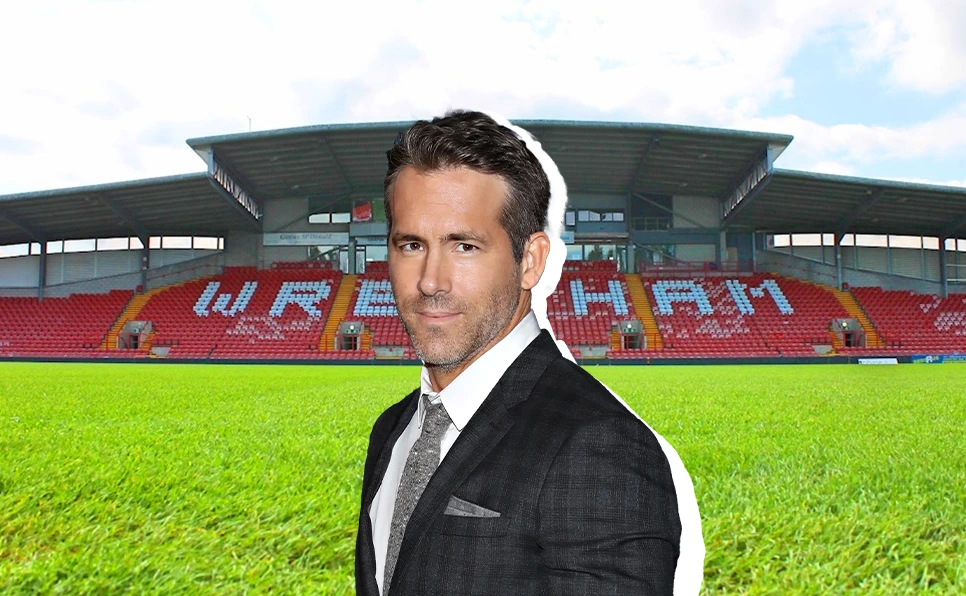
If you want a true hard-working story of the greatest underdog, where sheer will power and determination are the protagonist, that too not just in a utopian world but in real-life, the rise of Wrexham FC to the League Football, assisted by the ownership of Ryan Reynolds and Rob McElhenney makes up for a perfect Hollywood Script. Why didn’t they make it into a movie yet? Oh wait, they already aired a docuseries Welcome to Wrexham with Broadway Pictures with FX production! Ryan Reynolds with his charm and comedic timing made sure they merge Hollywood Buffs with the Football Crazies. But, what’s the noise all about? Ryan Reynolds, Rob McElhenney in Welcome To Wrexham docuseries on Wrexham FCNot so many moons ago, Wrexham FC was a club that was on the verge of extinction, and reflected the mood of the town that seemed to be going nowhere. Located in scenic yet isolated laps of the Welsh Mountains, no-one batted an eye for this forsaken town and in it the Third Oldest Club in the World. Except, two men, far away, across the Atlantic, with no inkling either to Welsh culture or to Football. Two men, who couldn’t even agree to the term football, and referred to the sport as Soccer, dared to live the American Dream. Or so this time, the theoretical dream of rising up through the tiers of the seemingly impossible English Football Pyramid Why did Ryan Reynolds & Rob McElhenney buy Wrexham FC? Why indeed? When it was announced that Rob and Ryan are going to take over this seemingly downtrodden club, eyebrows were raised all around. Partly because Wrexham’s bitter taste with some of the previous ownerships and partly because the invasion of the American capitalists of the English Game. It was only in 2004, when the club as much as suffered on the field, went through a patch of financial troubles. Back then, a guy called Alex Hamilton was trying to sell their home ground, Racecourse Ground for a personal development project. Under his not so able leadership, the club drowned in debts and incurred point deduction, condemning them to League Two. And by 2007, the club was demoted to non-league football what seemed an eternity. The continuous tussle between bad results and even horrible ownership meant the club toiled among the lowest leagues. Frequent changes in manager also didn’t help the club. Andy Morell, Billy Barr, and Kevin Wilkin, all tried their hands to drag the club out of its misery but failed. In 2020, the world of football and Hollywood, both were rattled when actors Ryan Reynolds and Rob McElhenney through RR McReynolds Company LLC announced the takeover of the club. Their vision of climbing through the English Football Pyramid, introducing stability in terms of finances, renovating the club infrastructure, and bringing the fans and the people of the town together meant their proposal received a 98.6% backing from the 2,000 members of the Wrexham Supporters Trust. This stellar partnership with Hollywood Stars meant Wrexham FC was the only non-league football club to be featured on FIFA 22. By 2022, Wrexham FC brought in Phil Parkinson, a promotion maestro as the manager, brought Paul Mullins from League Two, and helped Wrexham FC secure a 2nd spot finish in the league. Consequently, they lost the play-offs and couldn’t see themselves through. The also lost the 2022 FA trophy final against Bromley. They also released the docuseries “Welcome to Wrexham” which helped fans across the world develop a soft-corner for this remarkable underdog story. The way these American owners shared the passion for the club and the way the fans of the town involved in the process helped proved many doubters wrong and renewed the trust in the kind of ownership every club want. 2022-2023 Season: Wrexham FC winning the Promotion. By the start of the 2023 season, expectations were already high. Given their close finish to the previous season, Phil Parkinson and the owners were already feeling the heat. Although, the fans were ecstatic about the ownership, winning promotion meant a matter of life and death to everyone involved with Wrexham FC. The purchase of Ollie Palmer towards the end of the last season, meant that the club has now premier players who are playing way below than their usual leagues. By mid-season, it was clear that Notts County and Wrexham FC will battle it out for the top two spots. Throughout the season, these two teams were neck-in-neck and went onto create history in the division with both achieving 100+ points. Separated by a point, the two teams met with only 2 games to go. The winner of the clash would undoubtedly hold a huge advantage with one hand already on the trophy. Wrexham FC meanwhile a few backs with lean on their goalkeeping options went on to purchase the premier league veteran Ben Foster for free. Against the showdown with Notts County, with Wrexham winning the game 3-2, the Magpies won a penalty. A point would mean the title would drag to the last day of the season. But lo behold, Ben Foster went on to save the penalty and give Wrexham the long-awaited promotion. What can we expect from Wrexham FC going forward? It is quite clear that the budget Wrexham FC is running on, it is comparable to the likes of Mid-Table Clubs of Premier League. But also, the club has to renovate and add infrastructure that is far from the premier league standards. Getting promoted to the League Football will mean better dough but there is a long way to go. Successive promotions is not a child’s play, and the competition gets stiffer by the week. However, it is not impossible. Leicester City in 2014 won promotion from the Championship to the Premier League. One season later, they were already lifting the premier league. As they say, anything is possible in Football. And when you have Deadpool by your side, impossible is nothing. Wrexham FC will now play

Ryan Reynolds’ Hollywood style promotion for Wrexham FC Read More »

World Baseball Classic: History & Iconic Moments

World Baseball Classic: History & Iconic Moments

World Baseball Classic History  Founded in 2006, the World Baseball Classic (WBC), held at irregular intervals, is an international baseball tournament for the players of the national teams who are part of the World Baseball Softball Confederation (WBSC). Since its inception, 5 tournaments have been held so far, with the latest edition hosted by Japan from 8th March to 21st March’23. The event over the years has been one of the most viewed baseball events of all time.   Inspired by the FIFA World Cup format, the World Baseball Classic pits men’s national teams against each other in a single-elimination tournament to claim the prestigious World Baseball Classic Trophy. World Baseball Classics Inc. proposed the idea to the World Baseball Softball Confederation. (WBCI) when the International Olympic Committee decided to drop baseball from the Olympic sport.   The World Baseball Classic (WBC) is typically held in March during pre-season spring training, allowing professional players to prepare for their regular seasons in MLB, NPB, or the KBO League. However, while MLB pitchers are often absent due to conditioning limits set by their teams, the event still manages to feature a star-studded lineup of batters. As a result, the WBC consistently delivers exciting matchups and high-level competition, showcasing some of the best offensive talent from around the world. The Format:   Initially, in 2006, World Baseball Classic consisted of 16 teams. But with its growing popularity among the fans, in 2023, number of teams was increased to 20. Originally, it was decided that the tournament is to be hosted every after four years. But due to several circumstances, including MLB’s suggestion to reorganize the international calendar in 2013 to better manage the players. It was during that phase that WBSC decided to award the title of “World Champion” to the WBC winner given that the Classics facilitate direct qualifications and adhere to anti-doping rules.   The current format of World Baseball Classic is made up of 4 rounds: i. The Qualifying Round ii. A First Round iii. A Second Round iv. A Championship Round  The format is simple and straight forward. 20 teams are divided into 5 pools, each consisting of four teams. Seeded nations with higher rankings determine the pools they will be placed in with Top 12 ranked teams gaining automatic qualification to the first round. The remaining 8 teams play through an extra qualifying round to earn a spot in the tournament.   After all, 20 teams are announced, the first round of the World Baseball Classic tournaments commences in a round-robin format, with every team playing against the other three teams in their pool. The top two from each pool advance to the second round, which is again held in a round-robin format.   From the second round, top two teams from each pool go through to the championship round from where knock-out round kicks in. The semi-final features the top 4 teams in a single-elimination format. The winners of the semis make it to the grand finale. The winner of the final is crowned the World Baseball Classics champion.   Winner List of World Baseball Classics  2006: The inaugural year when World Baseball Classics kicked-off. It was held in March’06 with 16 national teams participating in the tournament. The tournament was held over a period of 19 days across multiple venues comprising USA, Puerto-Rico & Japan. The championship round was held at PETCO Park in San Diego, California. The final was between Japan & Cuba with Japan winning the first-ever World Baseball Classics championship.    2009: The 2009 World Baseball Classic was also held in various locations around the world. The tournament was played over a period of 21 days, from March 5 to March 23, 2009, with games held at several different venues.  The first round of the tournament was held in Tokyo, Mexico City, Toronto, San Juan, and Miami. The second round was held in San Diego and Miami. The championship round was held at Dodger Stadium in Los Angeles, California, with the four remaining teams playing in a single-elimination format to determine the winner of the tournament. Japan once again won the tournament, defeating South Korea 5-3 in the championship game.  2013: The third edition of World Baseball Classic was held in March 2013 with 28 teams participating in the qualifying rounds and 16 teams participating in the main tournament. The final was between Puerto Rico and the Dominican Republic, the latter won the championship after making an appearance in the 2006 final. The impressive feat of being unbeatable throughout the tournament made the Dominicans a force to be reckoned with in the sport. Major league players like Robinson Cano, Jose Reyes, and Edwin Encarnacion led the strong team.   2017: 2017 World Baseball Classic marked the fourth edition of the tournament. It was hosted around multiple venues including Seoul, Miami, Tokyo, and Jalisco. The final was played between United States and Puerto Rico, making it the third final appearance for the Puerto Ricans. United States went on to win the championship by 8-0 scoreline. United States featured a star-studded lineup of major league players like Marcus Stroman, Andrew McCutchen, and Christian Yelich. The tournament also saw the debut of Israel in the tournament and went on a run to finish 6th in the tournament.   2023: The 2021 World Baseball Classic tournament was halted due to the outbreak of Covid-19 pandemic. The tournament took place in 2023, with Shohei Ohtani earning the Most Valuable Player award and Japan claiming the championship. Shota Imanaga was named the Winning Pitcher, and Masataka Yoshida made the All-World Baseball Classic Team. Japan was crowned the champion for the 3rd time in the history of World Baseball Classic and regained their supremacy over the sport.   Iconic Moments in World Baseball Classic  The spectacle and the fun World Baseball Classic has provided over the years is simply awe-inspiring. And while there are countless moments which would make into any highlight reels, the following five are the standout moments in the World Baseball Classic so far: Japan’s victory in

World Baseball Classic: History & Iconic Moments Read More »

Top 10 All-Time Leading Scorer in NBA History

Top 10 All-Time Leading Scorer in NBA History

Since its inception, many greats and legends have graced the court of National Basketball Association (NBA). But only some have truly reached the potential and etched their name on the history of the sport. Be it a thrilling last-minute buzzer-beater or a flying slam dunk, there are numerous ways a fan can classify to rank these greats. But we are taking a straight-forward approach. A statistical method to list the top 10 All-time leading scorers in NBA history. If you want to know the GOATs of basketball, you might want to give this article a read. Top 10 All-time goats of sports history But for the purposes of this blog, we will be only looking at the career stats of some of these great NBA players and rank them in order of the points they scored during their playing career. Who makes it to the top? Read to find out. Three-time NBA MVP Moses Malone scored over 27,000 points during his playing career. 10. Moses Malone Known as “The Moses” for leading his team to glory and fame, Moses Malone played a powerful central player who had an excellent rebounding ability, supreme post-up moves and was an invincible scorer. He is known for his incomparable physicality and stamina. Moses Malone featured in over 1,300 regular-season games, and 134 play-off games. He has played for the likes Utah Stars, Spirits of St. Louis, Buffalo Braves, Houston Rockets, Washington Bullets, Atlanta Hawks, Milwaukee Bucks, and San Antonio Spurs. However, his greatest ever appearance was for the Philadelphia 76ers, helping them secure a championship in 1983. In the finals against the Los Angeles Lakers, Moses Malone scored 38 points and grabbed 24 rebounds, single-handedly guiding the 76ers to their first-ever championship victory. Apart from these, Moses Malone has been awarded NBA MVP 3 times, secured NBA All-Star finish for 12 times, and holds 8 All NBA selection. Games Played: 1,329 Points Scored: 27,409 9. Carmelo Anthony Carmelo Anthony Ranked 9th in the All time Leading Scorer in the history of NBA. (Source: Marca) Nicknamed Melo, Carmelo Anthony is a powerful scoring forward with a versatile offensive game and an ability to score from anywhere on the court. Influential both on and off the court, Anthony scored a career-high 62 points in a game against Charlotte Bobcats in 2014. He has also featured 10 times in the NBA All-Star teams and 6 times in All NBA selection. Over his long illustrious career, Anthony has played for Denver Nuggets, New York Knicks, Oklahoma City Thunder, Houston Rockets, Portland Trail Blazers, and Los Angeles Lakers. Games Played: 1,260 Points Scored: 28,289 8. Shaquille O’Neal NBA legend Shaquille O’Neal amassed over 28596 points over his long career. (Source: The Indian Express) AKA Shaq, he was a dominant center player with exceptional size, strength & athleticism. Known for his ability to overpower his opponents in the post, Shaq remains a legend of NBA. The greatest match he ever played was against the Los Angeles Clippers in 2000 where he scored 61 points and grabbed 23 rebounds in the game. He has played for Orlando Magic, Miami Heat, Phoenix Suns, Cleveland Cavaliers, Boston Celtics, and most prominently for Los Angeles Lakers. Over the years, he has won 4 NBA Championship, won 3 times NBA Finals MVP, features in 15 NBA All-Star teams, and 8 times in All-NBA selection. Games Played: 1,207 Points Scored: 28,596 7. Wilt Chamberlain Popularly known as Wilt the Stilt and the Big Dipper, Wilt Chamberlain holds the record of scoring maximum points in a game that still stands today. On 2nd March 1962, Chamberlain scored 100 points against the New York Knicks and went on to become one of the all-time leading scorers in the history of NBA. As a central player, Chamberlain’s playing style involved strength & agility which allowed him to dominate the court. Chamberlain has secured 2 NBA Championship trophies, made it into 4 All-Star Game MVPs, 2 NBA MVP finals, 7 scoring titles, 11 rebounding titles, and 4 regular season MVPs. He has played for Philadelphia/San Francisco Warriors, Philadelphia 76ers, & Los Angeles Lakers. Games Played: 1,045 Points Scored: 31,419 6. Dirk Nowitzki Mostly played as a power forward, Nowitzki is known for his shooting ability and one-legged fadeaway jump shot. His scoring, rebounding and leadership abilities earned him the much-needed fame and glory in the NBA history. A one franchise man, Nowitzki spent his playing career with Dallas Mavericks and led them to their first NBA Championship, scoring 21 points in the game 6 of the NBA finals against the Miami Heat. Nicknamed the Dunking Deutschman, Dirk has won 1 NBA championship, 1 regular season MVP, 15 All-Star Game appearances, 12 All-NBA Team selections and 1 Finals MVP. Games Played: 1,522 Points Scored: 31,560 5. Michael Jordan Known for his competitiveness and all-round defensive and offensive playing style, Michael Jordan is a legend of the sport. A pop-culture icon, Jordan’s dunking style and mid-acrobatics earned him the name, “Air Jordan.” One of the greatest games he ever played was against Utah Jazz despite battling a stomach virus. This performance has become known as the “Flu Game” and is considered one of the greatest individual performances in NBA history. He went on to score 38 points, grabbed 7 rebounds and dished out 5 assists in the game. Michael Jordan has amassed 6 NBA championships during his playing career with 5 regular season MVPs, 6 NBA Finals MVPs, 10 scoring titles, 14 All-Star game appearances, and 11 All-NBA team selections. He played for the Chicago Bulls & Washington Wizards. Games Played: 1,072 Points Scored: 32,292 4. Kobe Bryant Known for his shooting ability, footwork, competitiveness, Kobe played as a shooting guard for Los Angeles Lakers. Also known as the Black Mamba, he was a driving force to bring back Lakers into prominence in early 2000s. On 22nd Jan’06, Kobe scored his career-high 81 points in a single game against Toronto Raptors. Kobe Bryant has won 5 NBA championships, 1 regular season

Top 10 All-Time Leading Scorer in NBA History Read More »

Formula 1 vs Grand Prix

Formula 1 vs Grand Prix

What is the difference between Grand Prix and Formula 1? Formula 1 is a specific type of Grand Prix racing that adheres to the set of rules set defined by Federation Internationale de l’Automobile (FIA). Whereas, Grand Prix racing refers to any type of auto racing held on closed circuits. These circuits can be on public roads or built for a specific purpose.   Most of the people today interchangeably use these words which is incorrect. Grand Prix is a class of automobile racings that can include MotoGP for motorcycle racing or FIA World Endurance Championship for sports car racing.   But colloquially, if you find anyone using the term Grand Prix without any additional qualifiers, they usually refer to Formula 1 racing.  Why F1 is called the Grand Prix? Formula 1 (F1) is often called the Grand Prix (GP), a term originating in France meaning “grand prize.” The first Grand Prix race took place in France in 1906. The term Grand Prix has since become synonymous with international motorsport events, including Formula 1. In F1, the term is used to refer to the individual races on the calendar, such as the Monaco Grand Prix or the Italian Grand Prix.  F1 races are known for their high levels of speed, skill, and technology, and the Grand Prix events are some of the most prestigious and popular motorsport races in the world. The term Grand Prix has come to represent the pinnacle of international motorsport, and is recognized and celebrated by fans and drivers alike.  Understanding Formula 1 race format: Formula 1 championship consists of series of individual race events, hosted across different continents, countries, and circuits. Each circuit pose a different challenge to the drivers. For 2023 Formula 1 championship, a total of 23 races have been scheduled. At the time of writing this blog, 3 of the Grand Prix have been completed. Bahrain Grand Prix, Saudi Arabian Grand Prix, and Australian Grand Prix have been completed.   The Belgium Grand Prix at the Circuit de Spa-Francorchamps is regarded to be the trickiest of all because of its unpredictable weather conditions and high-speed corners. The track also offers elevation changes and presents fast & flowing corners. The Monaco Grand Prix is very popular and is crash-prone, mainly because of its narrow lanes.   What are the three days of Grand Prix race? The three days of a typical Formula 1 race weekend are:  Friday – Practice sessions: On Friday, there are two practice sessions that are held to allow drivers to get familiar with the track and to fine-tune the car’s setup. The first practice session usually lasts for 90 minutes, while the second session lasts for an hour.  Saturday – Qualifying: On Saturday, there is a third practice session that lasts for an hour, followed by the qualifying session. The qualifying session determines the starting grid for the race on Sunday, with the fastest driver securing pole position. The qualifying session is split into three parts: Q1, Q2, and Q3, with the slowest drivers being eliminated after each part.  Sunday – Race Day: On Sunday, the main event takes place, which is the race. The race is typically 300 kilometers or a maximum of two hours long, depending on which comes first. This race is the most important part of the weekend, as it determines who earns points towards the Drivers’ and Constructors’ Championships. The race start time can vary depending on the location of the circuit and the time zone.  Schedule of F1 2023: Winning F1 championship vs winning grand prix:  Winning grand prix is like winning a battle in F1 context. Whereas, winning the f1 championship is like winning the war.   The points system for winning a Grand Prix in Formula 1 (F1) has changed over the years, but the current system, introduced in 2010, awards points as follows:  1st place: 25 points 2nd place: 18 points 3rd place: 15 points 4th place: 12 points 5th place: 10 points 6th place: 8 points 7th place: 6 points 8th place: 4 points 9th place: 2 points 10th place: 1 point  In addition to these points, there is an additional point awarded to the driver who sets the fastest lap of the race, provided that they finish in the top 10. If the driver with the fastest lap finishes outside the top 10, the point is not awarded.  Drivers earn points in each race, which accumulate throughout the season to decide the Drivers’ and Constructors’ Championships. The driver and constructor with the most points win the titles.  Which Grand Prix is the grandest of all? The Monaco Grand Prix is one of the most prestigious and famous Formula 1 races in the world. It is held annually on the Circuit de Monaco, a street circuit located in the streets of Monte Carlo and La Condamine in the Principality of Monaco.  The race first took place in 1929 and has been held every year since, except in 1951. The Circuit de Monaco is known for its tight, twisty layout, which makes overtaking difficult and requires high levels of driver skill and precision.  The race weekend typically includes three days of practice and qualifying sessions, followed by the race itself on Sunday. The Monaco Grand Prix is known for its glamour and prestige, with many celebrities and VIPs in attendance.  The race has been won by many famous drivers, including Ayrton Senna, Graham Hill, and Michael Schumacher. The current lap record for the circuit is held by Max Verstappen, who set a time of 1:14.260 in the 2021 race.   You can catch all the live action on F1 TV. 

Formula 1 vs Grand Prix Read More »