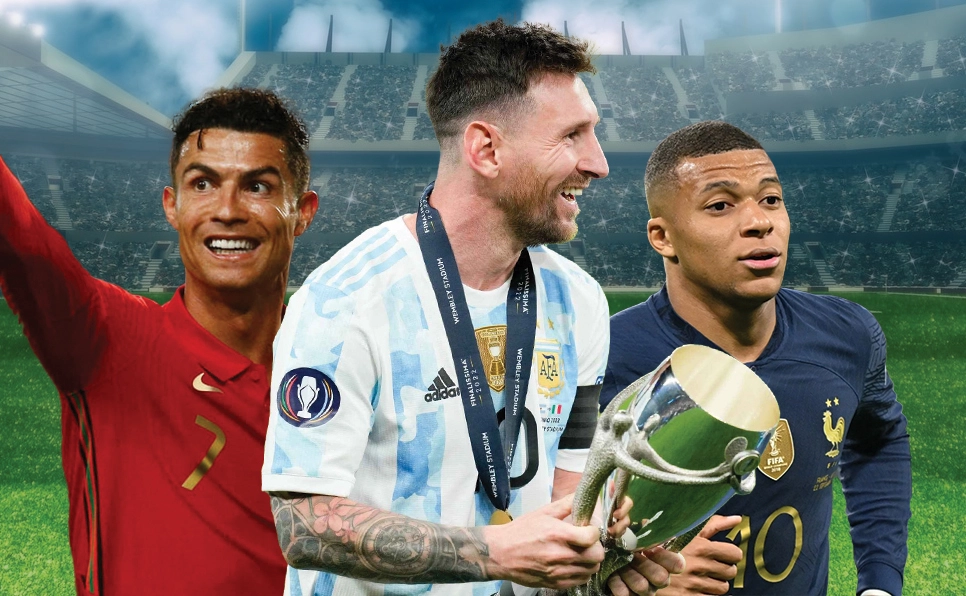

2023 top trends for Sports Sponsorship Marketing
Sporting organizations around the world are experiencing a technological boom, from social media to sponsorships, and savvy consumers have greater expectations than ever about what their fan experience should be. While the pandemic strengthened fan communities across the globe, engaged people everywhere demanded a more digital and content-focused approach to sports marketing. It is well known that sport sponsorship marketing has cemented itself as an essential element of advertising organizations’ marketing strategies. Anything used in the context of sport sponsorship as advertising is subject to ongoing, considerable change. Numerous market changes and changes in advertisers’ sense of entitlement, particularly in recent years, have permanently altered the industry. Tech Sponsorship in Sports At this moment, wearable technology is commonplace, and more varieties are constantly being released. It makes sense for athletes to collaborate with companies that develop wearable technology. Chances for Health Brands Similar opportunities exist for health businesses to collaborate with the top sports organizations in the world. Everything, including the sports sponsorship marketing of water bottles and physio equipment bags, can be deemed advertising space as sports firms try to make up for losses from the previous two years. E-sports rise The popularity of traditional sports is waning in their native nations. Participation and stadium visits are declining, and I’m now talking about pre-Corona. Starting greenfield businesses in nations where those sports are not yet popular is one method to combat this. The fact that new sports are emerging is unaffected by this. Extreme and outdoor sports are among the alternative sports that Gen Z and Gen Alpha enjoy the most since they allow them to express their identities while having fun with their pals. One of the first organizations to realize this was Red Bull, which is now greatly profiting. However, there’s more! How should one view e-sports? These are sweeping the globe and are growing in significance. Since gaming and technology have been a part of GenZ and GenAlpha’s upbringing, it is not surprising that they enjoy it and find many of their needs met. If E-sports are given Olympic recognition in 2028, don’t be shocked. E-sports are actually a modern type of entertainment. It indicates that sponsors are pouring money into leagues, players, teams, and sporting events. Take note that the investment in sponsorships alone for 2020 exceeds USD 1 billion! Yes, one billion dollars, exactly! Given that it is one of the sports that has received extensive coverage during the crisis, Covid 19 has and will continue to accelerate this trend. There will be more in the future. Virtual reality (VR) has the potential to turn video games into authentic sports that participants actively participate in while wearing goggles. E-sports are undoubtedly here to stay, and sponsors are going to start using them more and more to connect with younger audiences. Elevated engagements on Matchday The only thing on the minds of fans around the world on gameday is their team. Thanks to social media, the matchday experience has changed recently, with teams using press conferences, lineup releases, and game events as possibilities for content creation. And the followers devour it. The matchday experience (particularly for live sports) has evolved into a barometer for engagement and reach globally, from retweeting a line-up to blasting highlight clips in-stadium before a match. The sharing of trending, viral material is a fantastic way to strengthen the bond between fans and clubs. According to a sports report, 40.7% of sports enthusiasts worldwide now watch live events on digital platforms. Additionally, they discovered that watching sports has evolved into a multi-screen activity, with 47% of sports spectators interacting on many screens at once. The take from testimonial to influencer For a very long time, testimonials have dominated personal sponsorship. Their charm was exceptional, and they had a strong capacity to actively promote businesses and goods. Digital heroes, however, are a new breed of sports heroes. Influencers, bloggers, and social media celebrities can demonstrate comparable, and occasionally even greater, rates of coverage than traditional testimonials in the interim. Additionally, they are a permanent part of the fan experience and offer powerful persuading qualities for promoting goods. However, traditional testimonies in the traditional sense are naturally advised to make digital platforms the focus of their communication and public appearance. In particular, athletes have relied on this type of fan loyalty for many years. One example is French footballer Kylian Mbappé, who regularly sends products from his marketing partner, Nike, to his nearly 40 million Instagram followers. It is made feasible by sites like YouTube, Facebook, Instagram, and others. The marketing partner will also get more chances to make contacts and promote the brand and product. Big data Sponsoring is becoming more complicated and heterogeneous, which presents problems for Nielsen Sports and the broader sector as a whole. The necessity for new directions in market and media research was prompted. By the measurement of efficacy, documentation of fan target group characteristics. The current accessibility of data regarding the sporting preferences of worldwide fan segments. Today, it is essential to have up-to-date data that is easily accessible via interactive dashboards and centered on the fundamental KPIs. All marketing channels and target audiences must be capable of being properly mapped and evaluated. It is necessary to provide an answer to the query “What was the goal of it?” as well as the inquiry “How can we do it better?” We are glad to take on this challenge, but it demonstrates that sports sponsorship marketing is a dynamic and evolving field that is progressively realizing its potential for fans, sponsored organizations, and advertisers. End note The trends in sport sponsorship described here demonstrate the industry’s vitality, liveliness, and ongoing pursuit of innovation and excellence. This marketing discipline is also quite flexible when it comes to new advancements and trends. As a result, it continues to be a key factor in the growth and sustainable financing of the sport as well as the accomplishment of
2023 top trends for Sports Sponsorship Marketing Read More »