RethinkTrends

Guest Author

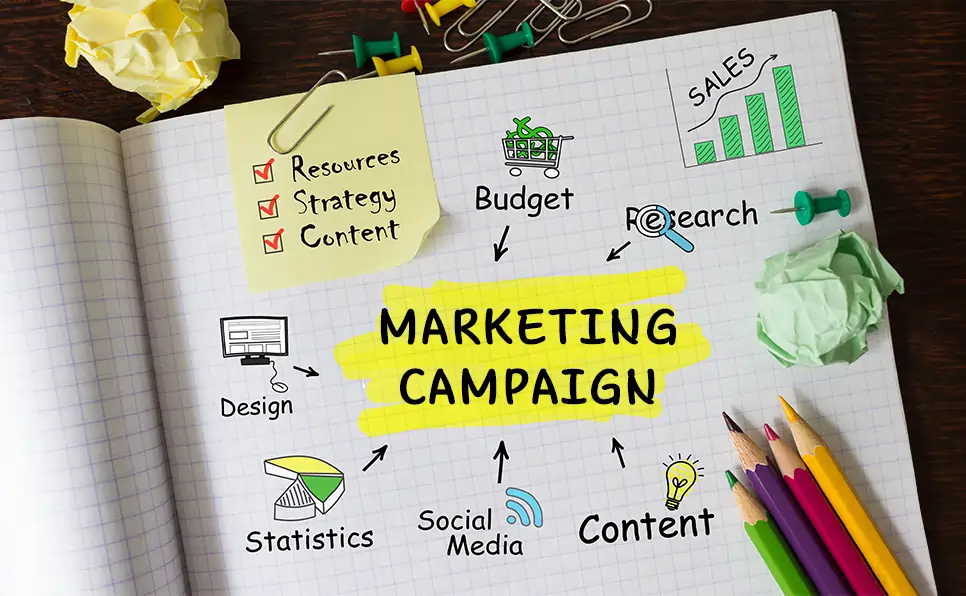
How Do You Know If Your Marketing Campaign Is Working

How Do You Know If Your Marketing Campaign Is Working?

Companies have two halves: the half that makes things, and the half that sells the things that are made. Marketing campaigns do the heavy lifting of the latter, and really have an impressive amount of power over whether an organization’s goods and services succeed or fail. However, how do we know when our marketing succeeds or fails? We know – sales numbers at the end of the quarter. But by then it’s too late. A savvy marketing team will test the waters regularly to see if their campaign is working long before the numbers come out. This allows them to course-correct and maximize their investments. Let’s look at how the sales arm can set up for success – and then tell if their marketing campaign is working. Step 1: Craft a Winning Marketing Strategy If you’re hoping to anticipate winning results, you need to start with a winning strategy. That strategy, however broad or detailed, needs to include a few crucial elements: 1. Set up buckets for catching customer insights | Before you even begin, recognize that feedback is the key to your success and set up predictable, systematic ways of gleaning that from your customers before you let valuable data slip through your hands. 2. Utilize customer testimonials | Nothing sells your brand like authentic users who can communicate on the same level as your prospective customers. While this can include influencers, this must also include printed customer testimonials wherever your products are sold – articles, web pages, social media, or print. People tend to trust their peers more than “marketing speak,” and corroborating human experiences give your claims credibility. 3. Optimize your content to maximize social shares | When you devote time and resources to crafting social media content, you want to get the most ROI from your investment. Some strategic tactics include: Asking readers to share your content Utilizing powerful images Crafting eye-catching headlines Capitalizing on holidays and major events Placing CTAs at the top – not bottom – of your web page There is obviously more that goes into starting off on the right marketing foot, but the previous three points are critical areas that often get overlooked. Step 2: “Define Success” and Any Achievable Outcomes Now that your plan is in place, you need to define what success looks like so that when your marketing campaign is working, you’ll know it. Keep in mind that specifics not only clarify your outcomes but help justify your campaign to higher-ups when they can see the proof of your success on paper. Some Key Performance Indicators (KPIs) you want to track include: Return on Ad Spend (ROAS) | How much revenue originates from each ad dollar spent? Customer Lifetime Value (CLV) | How much value can that customer be expected to bring in over their customer lifetime with your company? If your average customer lifetime is two years and they pay a $10 monthly subscription, that would be $200. Conversion Rate | How many site visitors converted into leads? How many targeted in your campaign will buy as a result? Cost Per Lead | How many ad dollars did you have to spend to get one lead? The lower the rate the better, obviously, but it’s all relative. Say you spent $100 per lead (a typically high amount) but the CLV is $5,000. That’s a 500% ROI – not bad at all. Website Traffic | If you just threw new content up on your site, how well is it doing? Is it drawing more visitors than your content before? Track and adjust if necessary. Bounce Rate | This really tells you if your content is working. Are people jumping to your site because of a catchy headline but failing to investigate your offerings further? The bounce rate will tell you how many people come to stay, and how many “bounce” off your site without checking out at least one other page. If you keep it under 40% you’re doing well. Defining these key indicators and tracking them diligently is the most logical, effective, and repeatable way to know if your marketing campaign is “working” – and if it’s not, to know where it’s falling flat. Step 3: Report Data-Driven Marketing Metrics Nowadays, artificial intelligence and an abundance of open-source marketing analytics tools make data-driven marketing not only accessible but the norm. Data is required to justify your initiatives to the C-suite for approval, and it also helps prove to them that you’ve done your job (because you have the cold figures to back it up). Depending on your resources and the expertise of your team, you may even want to look into marketing consulting agencies who are familiar with the tooling (heavyweight marketing and analytics solutions), know how to use the technology (AI-driven metrics platforms), and have the cycles to spare to produce monthly reports of progress. However you choose to handle this last part of using hard data to track your results, it cannot be botched. After putting in so much work to think of the right campaign, catch customer insights, and identify indicators of success, it would be a waste to have one of the most effective campaigns of your career – and not even know it.

How Do You Know If Your Marketing Campaign Is Working? Read More »

Everything you need to know about MTV Awards 2023.

Everything you need to know about 2025 MTV Video Music Awards

The 2025 MTV Video Music Awards (VMAs) delivered one of the most exciting and star‑studded nights in music history. On September 7, 2025, music fans around the world tuned in for an unforgettable evening filled with iconic performances, emotional acceptance speeches, and memorable red‑carpet moments. From powerhouse nominations to groundbreaking wins, here’s everything you need to know about this year’s VMAs. A New Era for the VMAs: When and Where It Happened The 2025 MTV VMAs took place on September 7, 2025, at the UBS Arena in Elmont, New York, marking a memorable year for the award show. For the first time, the ceremony was broadcast live on CBS, while also being simulcast on MTV and streamed on Paramount+, expanding the event’s reach to millions of viewers worldwide. This move symbolized how the VMAs continue to evolve with changing media habits — blending traditional television with modern digital streaming to appeal to Gen Z and global audiences alike. Who Led the Night: Nominees and Special Honors Top Nominations This year’s nominations were dominated by some of the biggest names in music: Lady Gaga led the field with 12 nominations, including Artist of the Year and Video of the Year. Bruno Mars followed closely with 11 nods. Kendrick Lamar, Sabrina Carpenter, and Rosé were also among the top contenders. The nominations reflected 2025’s most influential songs and videos, showcasing artists from multiple genres — pop, hip‑hop, R&B, and more — and highlighting the diverse tastes of music fans today. Special Career Honors The awards didn’t just celebrate the year’s releases — they also honored lifetime achievements: Mariah Carey received the Video Vanguard Award, recognizing her monumental impact on music and music videos over decades. Ricky Martin was named the Latin Icon Award recipient. Busta Rhymes received the inaugural Rock the Bells Visionary Award, acknowledging his influential role in hip‑hop culture. These tributes added emotional weight to the ceremony, celebrating artists whose careers have inspired generations. Showstopping Performances The 2025 VMAs brought together an electrifying lineup of performers that spanned musical styles and global fanbases: Lady Gaga, always one to command the stage, delivered a powerful performance that cemented her place as not just a nominee, but a show highlight. Sabrina Carpenter, Doja Cat, Post Malone, and Tate McRae kept the energy high with dynamic sets. Artists like J Balvin with DJ Snake and Alex Warren added depth and variety to the evening’s musical showcase. Fans also got to see a blend of chart‑toppers and rising stars, making the night thrilling for viewers discovering new favorites. Big Winners of the Night When the Moon Person trophies were handed out, a few artists clearly stood above the rest: Lady Gaga was crowned Artist of the Year, walking away with the most wins of the night. Ariana Grande scored Video of the Year for “Brighter Days Ahead,” one of the most talked‑about music videos of the year. Rosé & Bruno Mars took home Song of the Year for their hit “APT.” Alex Warren claimed Best New Artist, while fan favorites like Doechii and Sabrina Carpenter also won major awards. Beyond the headline categories, winners spanned genres and generations — from pop and hip‑hop to Afrobeats and country — showcasing how the VMAs celebrate musical diversity. Red Carpet & Cultural Moments The VMAs are as much about style and culture as they are about music. The 2025 red carpet saw bold fashion statements from celebrities embracing individuality, gender‑fluid aesthetics, and avant‑garde designs that trended across social media in real time. Social feeds buzzed not just about winners, but also about unexpected collaborations, dancers, viral moments, and emotional speeches — especially Ariana Grande’s memorable shout‑out to her community during her acceptance speech. Why the 2025 VMAs Still Matter In a music landscape dominated by streaming, TikTok stars, and global crossover hits, the MTV VMAs remain a cultural touchstone. The 2025 show proved that even as formats evolve, iconic celebrations of music still resonate because they: Highlight global fan favorites and rising talent Add meaning to music with visual storytelling Create shared cultural moments for artists and audiences alike Whether it’s the unforgettable performances or the surprise wins, the 2025 VMAs underscored music’s power to unite fans worldwide. The Legacy Continues The MTV Video Music Awards 2025 celebrated not just the best in music this year, but the enduring impact of musical storytelling on culture, identity, and community. From Lady Gaga’s record‑setting night to standout performances and trendsetting fashion, this year’s VMAs left a mark fans will remember for years. As fans start speculating about 2026’s nominees and performances, one thing is certain — the VMAs remain one of the biggest nights in music.

Everything you need to know about 2025 MTV Video Music Awards Read More »

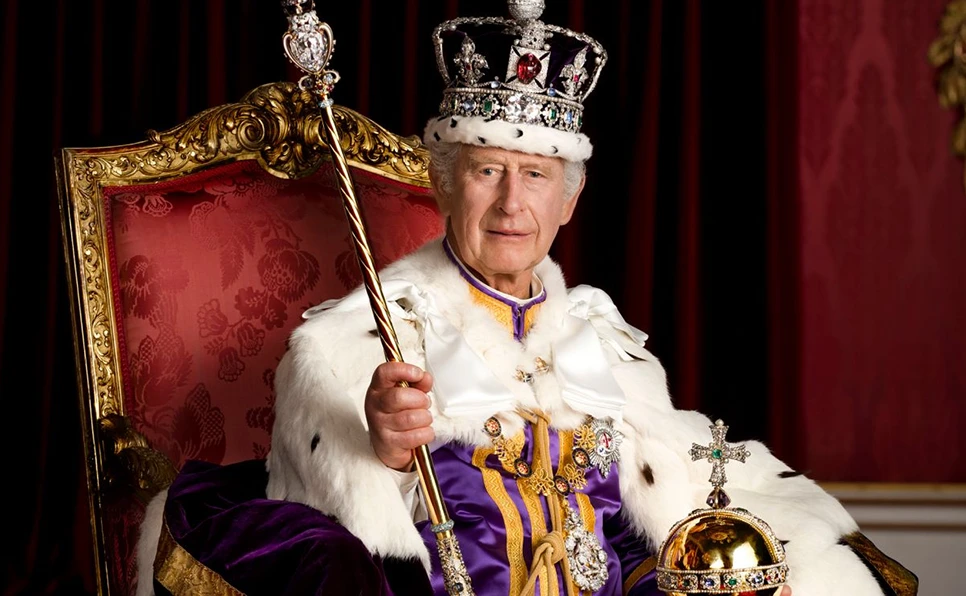
The Coronation of King Charles III: A Majestic Celebration

The Coronation of King Charles III: A Majestic Celebration

A blend of ancient ritual with modernism, the royal ascension of King Charles III was an event eyed by people worldwide. The ceremony at Westminster Abbey on May 6 called for a more toned-down affair than the one 70 years ago at the crowing of Queen Elizabeth II. Why have the Coronation if Charles is already King? The coronation of King Charles, following his automatic ascension to the throne upon Queen Elizabeth’s passing, was a significant ceremonial event. Despite there being no legal obligation for a coronation, it held profound religious and symbolic importance. It formally confirmed Charles as the head of state and the titular head of the Church of England, demonstrating that his authority derived from a higher power. During the coronation service, Charles underwent several sacred rituals conducted by the esteemed Archbishop of Canterbury. The pinnacle of the ceremony was the placement of the St. Edward’s Crown upon his head, symbolizing the culmination of his sovereignty. Additionally, Charles’ wife, Camilla, was crowned as the queen consort, signifying her role in the monarchy. While not legally required, the coronation held immense cultural and historical significance, emphasizing the continuity of the monarchy and the monarch’s divine mandate. Through this solemn and regalia-rich event, the monarchy reaffirmed its traditions and connected with its religious heritage, solidifying Charles’ position as the rightful king. This blog highlights the events that took place on the coronation of King Charles III. Coronation of King Charles III On September 8, 2022, Charles ascended to the throne following the passing of his mother, Elizabeth II. Fast forward to the coronation ceremony, it incorporated an Anglican service of Holy Communion, where Charles took an oath, received anointing with holy oil, and was presented with the coronation regalia. The event symbolized his spiritual and secular responsibilities, with the Church of England spokespeople and the British royal family pledging their allegiance. Following the service, a state procession took place, and the royal family appeared on the balconies of Buckingham Palace. Camilla’s crowning was conducted in a simpler and shorter ceremony. Notable changes were made to the traditional coronation to embrace diverse faiths, cultures, and communities across the United Kingdom. This resulted in a shorter ceremony than Elizabeth II’s coronation in 1953. The coronation evoked celebrations and protests in the United Kingdom and other Commonwealth realms. Festivities included street parties, volunteer initiatives, special church services, and a concert at Windsor Castle. However, surveys indicated mixed public sentiment and scrutiny over the event’s funding. While large crowds attended the London and Windsor events, they were also met with protests from Republican groups, leading to the arrest of 64 demonstrators and criticism from human rights organizations. Commonwealth realms like Antigua and Barbuda, Canada, Australia, and New Zealand joined the celebrations. In contrast, some Indigenous groups and other realms used the occasion to raise awareness of issues related to British colonialism. Charles and Camilla’s coronation marked the first British monarch’s coronation in the 21st century. The 40th coronation was held at Westminster Abbey after William the Conqueror’s crowning in 1066. The Royal Emoticon Buckingham Palace has introduced a special emoji to commemorate the upcoming coronation of King Charles. The emoji features a vibrant and colorful illustration of the St Edward’s crown, a 17th-century regalia adorned with gold and jewels, and a purple velvet cap. This unique emoji holds significance as it is the first-ever emoji explicitly created for a British coronation. Notably, the previous coronation of Queen Elizabeth II took place way before the beginning of the internet, social media, and mobile phones. To mark the occasion, Buckingham Palace announced that the coronation emoji will be visible on Twitter starting from April 10. This creative and symbolic addition reflects the palace’s embrace of modern communication channels to engage with the public and generate excitement for the upcoming coronation events. It will accompany hashtags such as Coronation, CoronationConcert, CoronationWeekend, and CoronationBigLunch, which will be used during the weekend of coronation festivities. via GIPHY Celebrity Attendance King Charles III’s coronation was graced by a prestigious congregation, including members of the British royal family, prime ministers, foreign royals, and prominent figures from the global stage. Among them were notable celebrities who added glamour to the historic event. Headlining the Coronation Concert, Katy Perry made a statement in a striking lavender ensemble. At the same time, Lionel Richie, another performer at the concert, exuded elegance in a long black coat. Esteemed actors Dame Emma Thompson, Dame Judi Dench, and Dame Maggie Smith were also spotted, each bringing their style to the occasion. Jill and Finnegan Biden represented President Joe Biden, donning coordinating blue and yellow outfits as a nod to the Ukrainian flag. Their presence added star power to King Charles and Queen Camilla’s memorable coronation. Throwing some light on Her Majesty: Queen Elizabeth II Queen Elizabeth II, born on April 21, 1926, in London, England, reigned as the queen of the United Kingdom of Great Britain and Northern Ireland from February 6, 1952, until her passing on September 8, 2022. She surpassed Queen Victoria in 2015 to become the longest-reigning monarch in British history. Elizabeth became the heir presumptive to the throne after her uncle, Edward VIII, abdicated in 1936. Her mother oversaw her education and included a governess and various tutors. In 1947, she married Lieutenant Philip Mountbatten, later known as Prince Philip, Duke of Edinburgh. They had four children: Prince Charles, Princess Anne, Prince Andrew, and Prince Edward. Upon her father’s death, King George VI, on February 6, 1952, Elizabeth ascended to the throne. Queen Elizabeth II embarked on numerous state visits and tours across the Commonwealth and the world during her reign. She was the foremost reigning British monarch to visit Australia, New Zealand, South America, and the Persian Gulf countries. In 1977, she celebrated her Silver Jubilee, marking 25 years on the throne, with various events and international travels. Queen Elizabeth II played a significant role in modernizing and adapting the monarchy to the changing times. She carried out her duties

The Coronation of King Charles III: A Majestic Celebration Read More »

Top 10 luxury fashion brands in 2023

10 World top luxury fashion brands in 2023

World top Luxury fashion brands have always been an integral part of the fashion industry, setting trends, and defining styles for decades. These brands have established themselves as symbols of exclusivity, quality, and craftsmanship, providing consumers with a sense of status and identity. As a result, luxury fashion brands are not just about selling clothes, but they are also about creating an emotional connection with their consumers. In this article, we’ll take a closer look at the 10-world top luxury fashion brands in 2023. These brands are recognized globally for their exceptional quality, craftsmanship, and iconic designs that set them apart from other fashion brands. They have earned a place in the industry’s elite ranks due to their luxurious retail experiences, impeccable marketing strategies, and strong brand recognition. So, let’s dive into the universe of luxury fashion and explore the 10-world top luxury fashion brands that will be leading the industry in 2023. World top luxury fashion brands 1. Yves Saint Laurent Yves Saint Laurent is a luxury fashion brand founded by Yves Saint Laurent in 1961. The brand gained popularity for its innovative designs that challenged traditional gender norms and incorporated bold colors and patterns. YSL offers haute couture clothing, accessories, and fragrances. The brand has positioned itself as a luxury brand that offers high-quality, innovative designs and has collaborated with artists and musicians to appeal to younger audiences. YSL has received several industry awards and recognition, including being ranked as the 19th most valuable world top luxury brand in the world by Brand Finance in 2020, and the Fragrance Foundation Award for Best Women’s Fragrance in 2020 for its “Libre” fragrance. The brand’s creative director, Anthony Vaccarello, was also named Designer of the Year at the 2021 Elle Style Awards. 2. Prada Prada is a high-end clothing, leather goods, and accessory company that was established in Milan, Italy, in 1913. The company has established itself as a luxury brand with classic designs and a minimalist design aesthetic. Sustainability, environmentally friendly materials, and production techniques have recently been emphasized by Prada. The company has won numerous accolades from the business world, including the Fashion Icon Award in 2019 and the Most Sustainable Luxury Company in 2020. At the 2020 British Fashion Awards, Raf Simons, the creative director of Prada, won Designer of the Year. 3. Burberry Burberry is a luxury fashion brand founded in England in 1856, known for its iconic trench coat and signature check pattern. The brand offers a range of clothing, outerwear, and accessories, positioning itself as a classic brand with a modern twist. Burberry has collaborated with artists and musicians and uses social media platforms to connect with younger audiences. The brand has also focused on sustainability by introducing eco-friendly materials and reducing waste in their production processes. Burberry has received several industry awards and recognition, including being named the most popular world top luxury brand fashion online in 2020 and receiving an A rating on the 2020 Fashion Transparency Index for its sustainability efforts. 4. Alexander McQueen A high-end fashion label called Alexander McQueen is renowned for its avant-garde and outlandish creations. Lee Alexander McQueen created the company in London in 1992. The brand Alexander McQueen prides itself on encouraging innovation and upending norms. The company has worked with musicians and artists to showcase its designs on social media. Numerous industry honors have been bestowed upon Alexander McQueen, and museum exhibitions have showcased its creations. 5. Bottega Veneta Bottega Veneta is a luxury fashion brand known for its high-quality leather goods and understated designs. The brand’s signature woven leather technique creates a distinctive texture and pattern in its products. Bottega Veneta positions itself as valuing craftsmanship and quality, with a focus on understated elegance. The brand has received industry recognition for its accessories and sustainability efforts, and its creative director has been named Designer of the Year at major fashion awards. 6. Ralph Lauren Ralph Lauren is a luxury fashion brand founded in 1967 by Ralph Lauren, offering a wide range of products, including clothing, accessories, fragrances, and home decor. The brand is known for its preppy and classic designs, often featuring the iconic polo player logo. Ralph Lauren has positioned itself as a brand that embodies American style and values, with a focus on quality and craftsmanship. The brand’s marketing strategies have included collaborations with athletes and celebrities. In recent years, the brand has received several industry awards and recognition, including Brand of the Year at the 2019 Footwear News Achievement Awards, and has also been recognized for its sustainability efforts. 7. Hermès Hermès is a luxury fashion brand known for its high-quality leather goods, including handbags, belts, and wallets. The brand has positioned itself as valuing craftsmanship and tradition, with a focus on high-quality materials and attention to detail. Hermès has received several industry awards and recognition, including being named the world’s most valuable luxury brand and receiving an A+ score on the 2020 Fashion Transparency Index for its sustainability efforts. 8. Louis Vuitton Louis Vuitton is a luxury fashion brand founded in 1854 that is known for its iconic monogrammed leather and collaborations with artists and designers. The brand offers a wide range of products, including leather goods, accessories, and clothing. It has positioned itself as a brand that embodies luxury and sophistication, and its marketing strategies include collaborations with celebrities. Louis Vuitton has received several industry awards and recognition, including being named the world’s most valuable luxury brand and its creative director winning Designer of the Year. The brand has also been recognized for its sustainability efforts. 9. Balenciaga Balenciaga is a luxury fashion brand founded in 1919 by Cristóbal Balenciaga, known for its avant-garde designs and innovative approach to fashion. Its key products include clothing, shoes, bags, and accessories, and the brand has positioned itself as one that values creativity and pushing the boundaries of fashion. Balenciaga has received several industry awards and recognition, including Brand of the Year and Designer of the Year, and has been recognized

10 World top luxury fashion brands in 2023 Read More »

denial management in healthcare

Mastering Denial Management in Healthcare: Strategies for Success

Denial management in healthcare sits at the heart of revenue cycle management, acting as the first defense against lost income. The practice revolves around spotting denied claims, digging into their reasons, and working through each obstacle until payment arrives. Claims may bounce back due to mistaken codes, missing notes, or failure to follow a payers rules, and every cause eats away at a facilities bottom line. When denial management runs smoothly, providers collect what they are owed on time and stay financially healthy. The first step in the process is to trace every denial back to its source. Staff examine each line and note the pattern, then draft a plan that includes fresh training or tighter checks so the same mistake does not happen again. By acting quickly, providers cut the stream of repeat denials and keep cash flowing. Viewed more broadly, denial management is not merely a repair shop for billing glitches; it is a driver of cleaner, faster claims work. Achieving that goal calls for billing, coding, and clinical teams to share knowledge, double-check information, and submit complete, compliant documentation the first time. Understanding the Definition of Denial Management in Healthcare Comprehending what denial management means in health care begins with recognizing the many reasons claims may be rejected. Industry experts usually sort these denials into two broad groups known as hard and soft. A hard denial can’t be undone and eats into income, while a soft denial is a temporary hold that can be fixed and sent again. Knowing which label fits lets a finance team set priorities and channel staff time and money where recovery chances are highest. Denial management therefore, includes tracking patterns, dissecting data, filing appeals, and putting preventive steps in place. When clinics center on these tasks, the volume of rejected claims falls and the entire revenue cycle runs more smoothly. So denial management is never simply mopping up errors after the fact. It is a forward-looking playbook that aims to slash denial risk and open the door to every dollar earned. Realizing that goal calls for constant staff training, along with powerful analytics and tech tools that spot problems before they bloom. The Importance of Denial Management in U.S. Healthcare In the United States healthcare system, denial management has become vital because the payment structure is exceedingly complicated. There are dozens of payers, each with a distinct set of rules, forms, and deadlines, so moving through the maze can be exhausting even for seasoned staff. A sharp denial-management program helps practices and hospitals untangle that maze and capture the payments they have already earned. The money lost when claims sit unresolved can mount quickly. A single large post-payment denial may wipe out months of margin; when patterns repeat across multiple contracts, organizations slide toward negative cash-flow cycles. By tracking denials closely, appealing them promptly, and fixing the root causes, providers can limit those losses and shore up overall revenue. Robust denial management touches patients, too. When claims are handled right the first time, bills arrive correctly and on time, sparing patients confusing surprises. Smoother billing fosters trust, strengthens the providers reputation, and keeps patients coming back. Key Strategies for Effective Claims Denial Management in Healthcare Careful tracking of denial codes, training staff on payer policies, and leveraging data analytics are just a few proven tactics that together cut denial rates and speed revenue recovery. Root Cause Analysis: A careful review of denied claims is vital. By spotting recurring patterns, a facility can fix root problems and stave off new denials. Preemptive Measures: Steps like double-checking patient details, using precise codes, and following payer rules cut the chances of denial at the source. Robust Training Programs: Ongoing workshops for billing and coding staff on fresh industry standards and payer demands keep claim submissions sharp and accurate. When these approaches are woven into daily practice, providers build a culture of precision that boosts both revenue and patient trust. The Role of Denial Management in Healthcare Revenue Cycle Management (RCM) Within the larger revenue cycle, denial management makes sure claims move through the system smoothly and payments arrive on time. In doing so, it guards against lost income and helps the practice collect every dollar earned. Successful denial management calls for tight teamwork among doctors, schedulers, coders, and billers. When these groups share data and review denials together, claims are not only filed correctly but also tracked, appealed, and resolved in a timely way. Denial management also sheds light on how well the billing operation is running. When hospitals or clinics study denial records, they spot weak links in revenue-cycle work and introduce fixes that are both targeted and measurable. This loop of observation, adjustment, and re-observation keeps cash flowing and keeps workflows lean. The Evolution of Better Billing: Trends in Healthcare Denial Management A range of fresh practices now shows how denial management has pushed billing toward greater speed and accuracy. Armed with data analytics and machine-learning models, providers can forecast which claims are likely to bounce back and stop problems before they snowball. One growing tactic is to use predictive analytics that flags high-risk claims even before they leave the system. By reviewing past denials in bulk, teams learn which codes, payers, and documentation gaps appear again and again, allowing them to address root causes up front. The end result is cleaner submissions and a drop in denial volume. Automation is another cornerstone of the modern approach. Software robots can handle every step from filing the claim to sending reminder notes, lifting time-consuming work off human shoulders and speeding money back to the organization. In this way, denial management shifts from being merely reactive to becoming a key part of the strategic revenue plan. Tools and Technologies for Optimizing Denial Management Successful denial management now hinges on adopting modern tools that smooth the claims journey and boost precision. Key options include: Claims management software: Such platforms automate claim tracking, offer up-to-the-minute status views, and warn staff about problems likely to become denials.

Mastering Denial Management in Healthcare: Strategies for Success Read More »

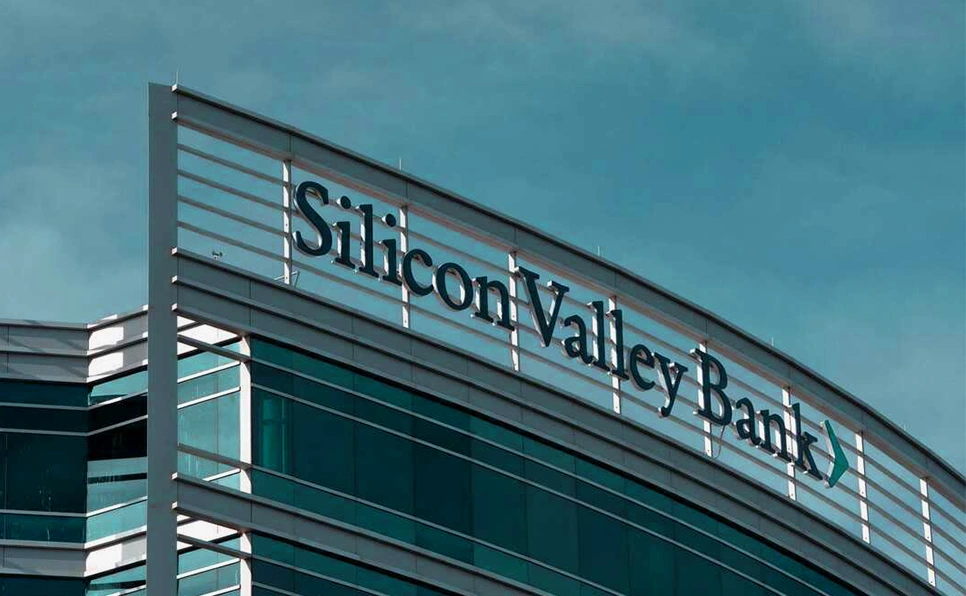
Complete Breakdown of Silicon Valley Bank Collapse

Complete Breakdown of Silicon Valley Bank Collapse

Silicon Valley Bank (SVB), founded in 1983, specialized in lending money to technology and biopharma start-up companies. It funded the start-up companies by borrowing deposits from rich companies. To maintain the interests of these wealthy depositors, SVB generated the funds by choosing to invest their money in a secure long-term Treasury Bond. Before moving ahead, a basic idea about Treasury Bonds is necessary to understand what happened with the Silicon Valley Bank (SVB). If you are already accustomed to the term, skip to Why Did the Collapse Happen? A treasury bond is a debt security issued by the United States Department of the Treasury to finance the government’s operations and activities. Treasury bonds are considered the safest investments available and are highly liquid, making them a desirable option for investors seeking capital preservation and a steady income stream. Now, answering the question in everybody’s mind. Why did the Collapse Happen? All was well until the Federal Bank decided to increase the interest rate, forcing SVB to provide better interest rates to its depositors. The only hurdle was that the money was locked into long-term, low-interest Treasury Bonds. This, in turn, urged the depositors to withdraw their money in search of higher interest rates, forcing SVB to sell some of its Treasury bonds at a loss (bonds fall in value when interest rates increase). As a result, the bank started to face a liquidity crisis which occurs when a bank does not have enough money to make up for the amount withdrawn by the depositors. SVB soon realized it needed to raise money. Hence, it filed with the Securities Exchange Commission (SEC) to raise funds. This got them noticed by depositors, sending a message that the bank was insolvent and making them rush to withdraw their money. During the weekend, the FDIC assumed control of the bank and assured all depositors that they would receive their money back, even if their deposits exceeded the $250,000 FDIC deposit guarantee. This action was taken to prevent panic among customers. Notably, the bank’s collapse was not due to high-risk investments or fraudulent activities but rather because it had not predicted the impact of investing depositors’ money into low-yielding securities. What are the impacts of the Silicon Valley Bank Collapse Breakdown? As a bank that provided financing for almost half of U.S. venture-backed companies, the impact of the Silicon Valley Bank Collapse had enormous implications, some of which are listed below: Many of the world’s leading companies relied on SVB for their financial services. In such a short period, they are finding it difficult to find a replacement that can match the services like lending, cash management, and investment banking. Another global impact of the collapse is on the United State’s leadership position in technology and finance. SVB’s failure has many geopolitical implications. As among the top 20 American commercial banks, SVB had relationships with many banks and financial institutions worldwide. And this collapse made it easy for people to question the continuity of the United States on remaining on top in these sectors. The collapse of SVB has had a ripple effect beyond the United States, affecting numerous countries worldwide. Many of the world’s top tech firms are based outside the U.S., so they rely on SVB’s essential financial services. These firms now face greater difficulty obtaining financing and accessing necessary financial assistance. Role of the FDIC Federal Deposit Insurance Corporation (FDIC) is a U.S. government bureau that was founded in 1933 in response to the widespread bank failures of the Great Depression. Its primary purpose is to insure deposits in banks and savings associations, promoting stability and public confidence in the financial system. The FDIC can insure deposits up to $250,000 per depositor per bank and supervises and examines banks to ensure their safety and soundness. In addition, the FDIC plays a role in resolving failed banks and minimizing losses to depositors and the deposit insurance fund. The FDIC sources funds from premiums paid by member banks and thrift institutions. It plays a critical role in safeguarding the U.S. financial system and promoting stability in the banking industry. Would tech industries be vulnerable post the Silicon Valley Bank Collapse? While the government’s announcement should give most companies assurance that they’ll eventually get their money back, there may be some difficulties to overcome in the short term. Tech companies that had money with SVB and could not access it face a big problem: payroll. The FDIC guarantees some deposits, but more is needed to cover all the money that companies had with SVB. This concerns companies that deposited cash with SVB and those that used other SVB financial products, like loans or credit cards. And, even if the companies directly didn’t use SVB may be affected because, for many of them, their vendors were connected with the bank. The Bottom Line The second largest bank failure is a setback for businesses and countries worldwide as they have to deal with the losses and the implications of the Silicon Valley bank collapse and be even more cautious of what lies ahead. While FDIC ensures people they’ll get their money back, it is still a lot of mess to clean up. And there is even the question of whether it can help the depositors with more than $250k. The collapse of SVB highlights several risks due to its focus on the technology sector, regulatory factors, competition, and external events. Businesses and governments worldwide must closely watch the situation and plan how to deal with its aftermath.

Complete Breakdown of Silicon Valley Bank Collapse Read More »

Why is Netflix using Cloud Gaming Technology?

Why is Netflix using Cloud Gaming Technology?

Introduction Hello Readers! Have you ever heard of cloud gaming technology? It’s a pretty nifty concept that’s been gaining a lot of attention in the gaming industry lately. To simply put, cloud gaming technology allows you to stream games over the internet rather than downloading them onto your device or console. And guess what? In November 2021, Netflix announced its entry into the world of cloud gaming, much to the excitement of its subscribers. The streaming giant unveiled its gaming service, which enables users with an active Netflix subscription to access a range of mobile games at no additional charge. The service was launched with an initial offering of five games, which were made available to Android and Apple device users in 190 countries worldwide. The titles included popular games such as Stranger Things: The Game, Stranger Things 3: The Game, Card Blast, Teeter, and Shooting Hoops. Now, you might be wondering why a company that’s primarily known for streaming movies and TV shows would want to get into the gaming market. Well, that’s what we’re here to talk about today. We’ll delve into what cloud gaming is all about, the advantages of cloud gaming technology, and how Netflix’s entry into the market could change gaming culture as we know it. But first, let me give you an example that might help illustrate the concept of cloud gaming. Think about the difference between owning a physical DVD versus streaming a movie online. With the former, you need to have the DVD on hand and a device that can play it. With the latter, you can watch the movie on any device with an internet connection, without having to physically possess a copy. The same idea applies to cloud gaming – you don’t need to have a physical console or device to play games, just a reliable internet connection. Pretty cool, right? Alright, let’s dive in and find out what cloud gaming technology is, its usage, and why Netflix is using cloud gaming technology. What is Cloud Gaming Technology? Alright, let’s break down what cloud gaming technology is all about. Simply put, cloud gaming allows you to play games on any device that’s connected to the internet, without the need for a physical console or powerful computer. Infact, the global cloud gaming market is projected to grow from $3.24 billion in 2022 to $40.81 billion by 2029, at a CAGR of 43.6% in the forecast period. (Source: https://www.fortunebusinessinsights.com/cloud-gaming-market-102495) But how does it actually work? Instead of running locally on your device, the game runs on a remote server, streaming video and audio to you in real-time. This eliminates the need for high-end hardware, as all the processing is done on the server. Now, you might be wondering how cloud gaming compares to traditional gaming. Think about it this way – with traditional gaming, you buy a game and install it onto your device or console. You then need to have the necessary hardware to run the game, and if you want to play the game on another device, you need to buy another copy of the game. With cloud gaming, on the other hand, you don’t need to worry about any of that. As long as you have a reliable internet connection, you can play games on any device you want, without having to buy physical copies of the games or worry about hardware requirements. Major tech companies like Google, Amazon, and Microsoft are investing in cloud gaming platforms, and many gamers are excited about the potential for more accessible and immersive gaming experiences. But there are some potential downsides to cloud gaming too. For example, since the game is being run on a server somewhere else, there can be some latency or delay in the gameplay. And if your internet connection is spotty, you might experience lag or other issues that can affect the gaming experience. But then again, it’s just a matter of few minutes! So, there you have it – cloud gaming technology in a nutshell. It’s a pretty cool concept that has a lot of potential, but it’s not without its challenges. How Cloud Gaming is Changing Gaming Culture Cloud gaming is a relatively new technology that’s shaking up the gaming world in some exciting ways! Let’s explore how cloud gaming is changing gaming culture. Firstly, cloud gaming is making gaming more accessible. With traditional gaming, you needed expensive hardware to play the latest games, but with cloud gaming, you can access games on any device with an internet connection. Another way that cloud gaming is changing things is by making it easier to try out new games. With cloud gaming, you can simply stream the game and see if you like it before committing to buying it. Lastly, you can access games on any device, regardless of the platform they were originally released on. Fun fact: According to a report by Newzoo, the cloud gaming market is expected to grow to $4.8 billion by 2023. That’s a pretty big deal! So, there you have it – some of the ways that cloud gaming is changing gaming culture! Why Are OTTs Using Cloud Gaming Technology? You might be wondering why streaming services like Netflix are getting into the gaming market. Well, there are a few reasons for that. In the past few years, the world’s leading gaming companies and technology firms have been working together to shift the paradigm in the video games market towards cloud gaming. According to Juniper Research, cloud gaming and subscription services revenue is expected to grow 9% per year, reaching USD 8 billion by 2023. As the streaming market becomes increasingly saturated, OTTs are finding themselves in a position where they need to offer more than just movies and TV shows to attract and retain subscribers. Cloud gaming technology presents a unique opportunity for these services to diversify their content offerings and appeal to a wider audience. One of the key advantages of cloud gaming technology for OTTs is the ability

Why is Netflix using Cloud Gaming Technology? Read More »

5 most excellent brand collaborations strategy ever

5 most excellent brand collaborations strategy ever

Did you know Android 4.4 KitKat owes its existence to the collab between Google & Nestle? The brand collaboration strategy behind Google x Nestle was to create a unique and fun promotion that would generate buzz for both brands. Both brands heavily promoted this on social media. If you, too, were in line to get your Android-printed KitKat chocolate bars, then you know how influencing brand collaborations can be. It may come as a surprise to many that the first ever brand collab dates back to 1900s. In the 1900s, André Michelin published the first edition of the “Michelin Guide,” a guidebook for French motorists that included maps, information on local attractions, and recommendations for restaurants and hotels. To promote the guidebook, Michelin created a series of posters featuring the “Michelin Man” (a character made of tires) placed in prominent locations throughout France. The instant hit of the posters marked the collaboration between Michelin and the French restaurant and hotel guidebook publisher André Michelin a success. Why do you need a brand collaboration strategy? Collabosarus reports that brand collaborations are 25x cheaper than digital advertising. And, if this has yet to convince you, look at a few more points that will persuade you to include a brand collaboration strategy in your upcoming marketing campaign. Invite Publicity and Build Buzz Grab attention and increase brand excitement Reach new potential customers through cross-promotion Increase sales and audience base Grow your social media community and followers Top 5 Brand Collaboration Strategies Vans x Harry Potter Vans introduced their exclusive and limited edition Harry Potter Vans for all the Potter Heads. Fans are most crazy about their love for the different houses, catering to which Vans did a great job mixing different shoe styles with the houses. Capitalizing on the popularity of the books and the fans’ sentiments, Vans launched HP merchandise, including bag packs, shoes, and jackets, out of which the shoes were the biggest hit. The collection featured “four exclusive colorways in Vans’ classic silhouettes—an Sk8-Hi for Gryffindor, an Era for Slytherin, Authentic for Ravenclaw, and the Classic Slip-On for Hufflepuff. To round out the footwear offering, the collection includes a ComfyCush Era themed around the wizarding newspaper, The Daily Prophet, in an all-over newsprint graphic.” The strategy was to draw the fandom of the two famous and successful brands together to attract traffic. And, the reason why people loved it was they were getting two good things in one – their comfortable Vans shoes embossed in the design of their favorite house. (And the fact that it was a limited edition made boasting about those feel better!) So, it was a low-risk and good profit purchase for them. Taco Bell x Doritos If a match was made in heaven, it would be this collab. I mean, who doesn’t like Doritos and Taco Bell? Bringing them together was a smart move. It’s the perfect combo for snack lovers. Taco Bell and Doritos knew how to bring together two iconic brands to create something epic. The limited-edition Taco Bell x Doritos collab is like the ultimate munchie food, perfect for late-night cravings or a quick snack on the go. The strategy was to draw in both brands’ fans, and it worked. People loved it because they got two good things in one – the deliciousness of Taco Bell with the crunch of Doritos. And let’s be honest, who doesn’t love a limited edition collab? It’s like a badge of honor to rock those flavors, and you know you’re part of an exclusive club. The massive triumph of Doritos Locos Taco is another example of how co-branding can increase both brands’ reach and sales. The campaign was successful because Taco Bell and Frito Lay promoted Doritos Locos Taco by wrapping tacos in traditional Doritos bags. This reflected the co-brand partnership and appealed to the audiences of both brands. Lego x Stranger Things For all the fans wanting to visit the upside down, Lego launched the Stranger Things-inspired model for you to turn your fantasies into reality. For people who desperately wanted to play Dungeon & Dragons with Mike and friends, for those who wanted to sing “Dusty bun and Suzie Poo’s” iconic song, and for those who just grew to love Steve, Lego launched their Stranger Things model – it was not the same, but it was something right. It came with prominent character miniatures and replicas of many iconic scenes, including the blinking lights scene where Joyce and Will tried to communicate with each other using alphabets and flickering lights. The brand collaboration strategy behind Lego x Stranger Things was to combine the nostalgic appeal of the hit Netflix series with the beloved toy brand’s building experience. The partnership was designed to bring the iconic moments and characters of the show to life in Lego form and provide fans with an immersive building experience. And it was an instant hit and even was one of the best sellers from the brand. Louis Vuitton x Supreme Luxury met streetwear aesthetic with the Louis Vuitton x Supreme collaboration. It left the internet in splits with crazy yet premium designs. Generally, luxury brands are associated with a more chic, elegant, and refined design. Whereas streetwear is supposed to be cheaper. The general rule of thumb is a tuxedo cannot cost more than a denim jacket. The Louis Vuitton x Supreme collab totally shook up the luxury fashion game with their sick street-inspired designs, and everybody went crazy for it. They smashed it by blending LV’s high-end vibes with Supreme’s streetwear style, creating a dope collection lit by luxury and streetwear crowds. The collection included various articles of clothing and accessories in red and white, denim, camo print, and monogram logos, and those eager to get their hands on it camped outside stores in different locations worldwide. The strategy behind the Louis Vuitton x Supreme collaboration was to combine the iconic luxury of Louis Vuitton with the streetwear style of Supreme. The partnership was designed to

5 most excellent brand collaborations strategy ever Read More »

5 Leading Web 3.0 Technology trending in 2023

5 Leading Web 3.0 Technology trending

Hello Readers! Did you know Elon Musk owns a 1976 Lotus Esprit, famously known as the underwater car from the James Bond movie ‘The Spy Who Loved Me,’ which inspired his Tesla Cybertruck? Okay, this was a piece of off-topic good-to-know information; I just wanted to grab your attention! Now let’s come to the real discussion I will share with you… Do you know that as per research, it is expected that by 2030, the Web 3.0 will have reached a worth of $81.5 billion? Why I made you wonder this is because I am here to tell you all that you would have ever wanted to know about the new trending WEB 3.0. My first question to formally make an introduction to the blog is – Are you ready for the next generation of the internet? Well, it’s already here, and it’s called Web 3.0. Unlike its predecessors, Web 3.0 is a decentralized network designed to be more secure, private, and open. But what does this mean for us? Where are we currently at with Web 3.0 technology? What are the leading trends in 2023 that we should keep an eye on? If you are still wondering, it’s time to take notice because it’s shaping up to be the next big thing! Let’s dive in and explore the leading 5 Web 3.0 technologies that are trending in 2023. Are you ready? Decoding Web 3.0 – The Blockbuster in the Digital World Web 3.0 is all about creating a decentralized internet, where users have complete control over their data and assets without the interference of big tech companies. This means that instead of relying on centralized intermediaries like Google and Facebook, users have the power to create their own online spaces and participate in digital democracies. It’s like a network allowing users to control and manage their content while keeping their personal data hidden. And guess what? It’s going to be more accessible and secure than Web 2.0! It’s been quite a journey from 2010 to 2023, where we witnessed active advances in machine learning, artificial intelligence, and blockchain. These principles are fundamental for the internet of the future. According to Vladimir Popov, co-founder of DAO Synergis, Web 3.0 is like a multinetwork that includes web, IoT, mesh networks, and decentralized networks like IPFS or Bitcoin. It’s like a module system, where each module depends on others, but no one controls them. Even if one element is disconnected, the network will continue to function since turning it off is impossible. Talking About the New Hype – Trending Web3 Technology  Now you might be wondering, what’s the big deal with the leading web 3.0 technology trends in 2023? Why are people so hyped about it, even after recent adversities in the blockchain and crypto markets? Well, the answer lies in the potential that web 3.0 holds for transforming users’ digital experiences. By leveraging technologies like blockchain, NFTs, cryptocurrencies, and DAOs, web3 is creating new precedents for accessing digital services and assets. This means that businesses are scrambling to prepare for the future and keep up with the latest trends in the web3 space. Web 3.0 can revolutionize how we interact with each other and the world around us. Imagine a world where we no longer rely on centralized authorities to control our data and finances. Instead, we can take back control and become our authority. Sounds impressive, right? And that’s not it, will having a piece of knowledge of introduction to any topic work any day? Of course, the answer I expect from you is a big no-no. So, I am here also to give you some insights on the 5 leading web 3.0 technology trending in 2023. Let’s go…! 5 Leading Web 3.0 Technology Trending in 2023 As we enter 2023, the world opens up to new possibilities in the blockchain and crypto industry. But it’s not just the enthusiasts who are following these developments. The general tech community and businesses want to learn about web3 and how it can transform their operations, processes, and systems. So, if you’re curious about how web3 will shape up as an industry in 2023, it’s crucial to stay up to date on the latest web3 trends. This will help you identify potential impacts and advancements that web3 could bring. And who knows, you might be at the forefront of the next big internet revolution! Let’s take a look at some exciting leading Web 3.0 technology trends for 2023: 1. Interactive 3D Web Technology First up, we have interactive 3D web technology. We’ve been seeing 3D design and user experience for a while now, but in the coming year, we can expect even more advanced and interactive capabilities. This will be great news for businesses and consumers, as they can build virtual identities and interactions within the Web 3.0 ecosystem. Let me explain this with an example. Suppose you know a furniture retailer. Visit a Virtual Showroom he created using interactive 3D web technology allowing you and other customers to view and customize your products in this virtual showroom. As a customer, you can select the color and fabric of a couch, view it from different angles, and even place it in a virtual version of your living room to see how it fits with their existing decor. Sounds simple and convenient, right? 2. Decentralized Social Networks Next, we have progress on decentralized social networks. With concerns over privacy and data protection, Web 3.0 promises to bring the next era of social media operating completely decentralized. Project Liberty has been making strides in this field, with recent announcements welcoming MeWe, a 20-million-member social network, to the decentralized web. Even social media giants like Meta are looking to get involved. Let’s go through a simple example of this as well. A social media platform that operates on a decentralized network might be created, giving users more control over their data and privacy. Users could choose which data to share with others and earn cryptocurrency

5 Leading Web 3.0 Technology trending Read More »

Top 5 Upcoming Trends of Metaverse in 2023

Top 5 Upcoming Trends of Metaverse

Introduction With the rise of virtual reality and the internet becoming more immersive than ever, the concept of Metaverse has become increasingly popular in recent years. The term “metaverse” was everywhere in 2022, and you can’t deny that Metaverse has become the new craze, especially after Facebook’s big rebranding announcement at the end of 2021. The term “Metaverse” was first coined by Neal Stephenson in his 1992 novel, Snowcrash, but now, only to remain just as a coined term. However, you see now, Metaverse it’s no longer just a concept limited to science fiction. There is no doubt that we’ve come a long way when it comes to the Metaverse and the year 2023. We’re actually making huge strides towards a future where many of the things we thought were impossible are becoming a reality. And this progress isn’t just limited to one industry – it’s happening across the board. In fact, we’re not just inching toward this future; we’re speeding toward it! According to McKinsey & Co, over $120 billion was invested in the Metaverse in 2022, more than double what was funded in 2021. The metaverse concept is a big deal, with predictions that it could add a whopping $5 trillion to the value of the global economy by 2030. That’s why 2023 is shaping up to be a crucial year for defining the direction the Metaverse will take. Isn’t it exciting to think about the possibilities of a borderless world full of promise and fulfillment? So, what do you think about the upcoming trends of Metaverse in 2023? Let’s dive into this blog which explains it all. What Is THE Metaverse? Have you ever encountered a place that employs augmented reality, virtual reality, and other cutting-edge internet and semiconductor technology to give you a lifelike online experience? That is, after all, what THE Metaverse is all about. Moments are everything in the Metaverse. Let me take you to a realm of imagination. Imagine living, working, shopping, learning, and interacting with others in a virtual environment alongside a billion other people doing it from the comfort of their sofas in the real world. This virtual world where you fantasize about yourself in a world that feels dreamy and everything that you might have imagined is what Metaverse speaks about. It’s basically an online 3D world where people can interact with each other and with computer-generated objects and characters. It’s like a virtual world that exists on the internet, and it can be used for all sorts of things like gaming, social networking, education, and more. The cool thing about the Metaverse is that it can mimic the real world or be an entirely new and imaginary world. It’s like stepping into a new dimension, where you can explore, create, and interact differently than what you’re used to online. The internet will inevitably evolve, and so will the Metaverse. The Metaverse is constantly changing, offering endless possibilities for exploration and interaction. Extra point: Metaverse is the new craze, and to make you even more thrilled, watch Ready Player One. I bet you won’t be able to refute what’s coming in the next 5 to 10 years. The Upcoming Trends of Metaverse Here are 5 most exciting upcoming trends in the world of Metaverse that we will see in 2023: 1. Greater Integration with The Physical World Although the Metaverse is a virtual environment, it is not surprising that it is also starting to influence the real world. It would not be surprising to see further integration in 2023, such as virtual events linked to physical sites or any virtual events that take place there. We already employ this technology, what say? You may be familiar with the recent Digital Fashion Week, which is the first virtual fashion event to ever take place in Dubai. Considerably shaking the stage, don’t you feel this trend is already making the waves? 2. More Realistic Avatar Technology There’s no denying that we’ve gone a long way from 2D avatars. In 2023, we anticipate seeing considerably more advanced avatars as the globe gets closer to developing complete virtual reality immersion. We may anticipate seeing lifelike humans roaming the Metaverse, thanks to the improved physical character depiction and more fantastic customization choices. Don’t you think that it would be a great option if we get to see the freedom for avatars to move across several Metaverse platforms without being restricted to just one? Although organizations like Meta have been working on developing photorealistic avatars for a while, there is still a lot of space for advancement. Let’s hope these Avatars are created just as we wish to see them for interaction! 3. Metaverse Marketing We all know that search engines and social media drove web 1.0 and 2.0, respectively. So, what will be the game-changer for web 3.0? Well, the answer is quite apparent – it’s the Metaverse! Although it’s still in its early stages, companies from various industries are already jumping on board, including big names like HSBC, JP Morgan, Nike, and Gucci. They are all working on creating their metaverse presence and for good reason. Whether it’s through creating their own platforms or joining existing ones like Meta Horizons, Fortnite, VR Chat, or Decentraland, companies are getting ready to occupy this new and exciting space in the next 12 months. The only sure thing is that being a part of the Metaverse is vital to winning. Those who act early will gain an edge in 2023, as they will have time to test and create compelling experiences to attract visitors to their virtual storefronts. Extra Points: The younger generations are already spending a lot of time on Metaverse platforms like Roblox, making it essential for businesses to connect with them in a digitally native way. Try Gamevertising. If you are still asking yourself what’s this, it combines gaming and advertising. It involves using video games and virtual worlds to deliver ads to consumers. You see, again, Metaverse it is! 4. The Corporate

Top 5 Upcoming Trends of Metaverse Read More »