
RethinkTrends

Pranali Shelar

How Self-Love Is Rewriting Valentine's Week Culture

How Self-Love Is Rewriting Valentine’s Week Culture

Valentine’s Week still arrives every February like clockwork. Same dates, same calendar presence, and the same subtle background noise suggesting love should be visible, celebrated, and maybe even showcased. Yet the vibe has shifted. It does not land with the same intensity anymore. The emotional pressure feels dialed down. Conversations feel easier. Fewer awkward pauses, fewer polite explanations, less of that strange social choreography where people felt obligated to justify their plans or lack thereof. Valentine’s Week did not vanish. It simply stopped feeling like a performance review for your personal life. That transition was not loud or dramatic. No cultural press release. No sudden turning point. It unfolded gradually as people began relating to love in ways that actually mapped to their real experiences rather than inherited scripts. This evolution is not just unreliable. Recent Pew Research Center analysis shows that the share of adults living without a spouse or partner has shifted over time, a reminder of how partnership culture continues to change and how traditional sets of rules no longer define most adult lives in the way they once did. Not Just “Taken” or “Single” Anymore There was a time when relationship identity felt binary, with people largely seen as married, dating, or single. Those statuses seemed to matter more than expected, especially during Valentine’s Week. The holiday had a way of turning into an unspoken social scoreboard, nudging people to measure where they fit. Being single rarely felt neutral. It often felt like something you were expected to explain away with humor or casual indifference. Now the landscape looks very different. People move through far more nuanced relational spaces. Single. Happily single. Focused on self-love. In something undefined. Emotionally involved but not formally labeled. Somewhere in between. There is no universal template anymore, which subtly rewrites the emotional contract of Valentine’s Week. The question is no longer just who you are choosing. It increasingly becomes how you are choosing to experience connection, affection, and care. That shift changes everything. When Valentine’s Week Came With Expectations, Before Self-Love Shifted the Narrative Valentine’s Week once carried a set of invisible rules that most people absorbed without discussion. If you were in a relationship, participation was assumed. If you were not, you learned adaptive strategies. Deflect. Joke. Downplay. Stay busy. The awareness never really disappeared though. Plans meant something. Gestures meant something. Even opting out somehow meant something. Silence could feel as loaded as action. The holiday did more than reflect dating culture. It reinforced it. It made the most sense in a world where relationships followed predictable trajectories and intentions were easy to define. That version of dating has largely dissolved. Pew Research Center’s analysis of the modern dating landscape highlights how relationships today are more fluid, less linear, and increasingly shaped by digital interactions rather than traditional pathways. Commitment itself is being reimagined, with many connections no longer viewed as permanent milestones but as relationships that evolve over time. In many ways, love is starting to resemble a subscription model, where participation, intensity, and expectations adjust as circumstances change rather than settling into fixed paths. Dating changed. The holiday just lagged behind for a while. Modern connections often resist neat categorization. People spend long stretches in ambiguous territory. Emotional closeness can precede clarity. Commitment unfolds slowly or never quite stabilizes. Deep care can coexist with uncertainty about direction. This is not a retreat from love. It is a more honest reflection of how complex relationships can be. How Self-Love Softened the Pressure Self-love did not emerge as a rejection of romance. It arrived more like a pressure release valve. Initially, it functioned as relief. Relief from expecting one relationship to supply identity, stability, validation, and meaning. Relief from treating a single week as evidence of whether life was on track. Relief from the exhausting ritual of public happiness displays. Over time, that relief became normalized. Self-love reshaped the emotional texture of Valentine’s Week. Opting out stopped feeling like a statement. Quiet celebration stopped feeling incomplete. Not providing explanations started to feel entirely acceptable. The cultural energy moved from obligation toward choice. What Self-Love Looks Like Now The self-love that endured is not necessarily aesthetic or performative. It rarely resembles the curated social media version. Instead, it shows up in ordinary decisions. Canceling plans without guilt spirals. Spending money based on desire rather than expectation. Prioritizing comfort over optics. Saying no without elaborate justifications. Friendships are no longer framed as substitutes. Staying in does not automatically read as protest or failure. Being single is not treated as a temporary malfunction. It is simply one valid mode of living. That neutrality marks the real transformation. How Self-Love Quietly Changed Behavior First Cultural change rarely announces itself directly. It surfaces through patterns of behavior long before formal narratives catch up. Around Valentine’s Week, attention is no longer monopolized by dates, gifts, and couple rituals. There is comparable interest in rest, personal care, comfort, and low-pressure experiences. Turning inward does not require an excuse. Even broader consumer behavior data shows Valentine’s Day evolving beyond couple-centric rituals. Recent retail and spending insights for 2026 reveal that self-gifting has gone mainstream, and many shoppers now approach Valentine’s Day with low-pressure and intentional personal care, suggesting the holiday increasingly doubles as a moment for self-celebration and well-being rather than external validation. When the Pressure Faded and Self-Love Became More Visible Valentine’s Week once carried an unspoken evaluation framework. People often wondered whether the gesture was thoughtful enough, excessive, insufficient, too casual, or too intense. That ambient pressure has noticeably eased. Couples feel less compelled to stage grand performances. Single individuals feel less socially exposed. Friends require fewer disclaimers. Choosing yourself does not demand narrative defense. People did not stop valuing love. They simply stopped treating the holiday as a mandatory demonstration of success. Recent YouGov survey data on Valentine’s Day attitudes shows that most Americans now view the holiday as celebrating both romantic and platonic relationships, suggesting people are increasingly treating Valentine’s Day

How Self-Love Is Rewriting Valentine’s Week Culture Read More »
Are red light therapy wearables worth the hype?

Are Red Light Therapy Wearables Worth the Hype or Just Another Trend?

Glow Up or Just Glow-Up Marketing? Scroll through TikTok, Instagram, or celebrity stories for five minutes, and it becomes clear: red light therapy masks, pads, and panels are everywhere. Gwyneth Paltrow and Kim Kardashian have flaunted them, fitness influencers are flexing post-workout glow sessions, and everyday users are snapping selfies that practically scream “future wellness vibes.” The trend comes with the full influencer package: “before and after” montages, glow-up reels, and testimonials about clearer skin, less soreness, or speedier recovery. But here’s the plot twist: separating actual effects from social media optics is tricky. A few studies hint at benefits, yet it is hard to tell if the glow is from the therapy or just good lighting and filters. What is Red Light Therapy Anyway? Red light therapy, aka photobiomodulation if you’re feeling fancy, is basically giving your cells a little hype boost with light. Think of it like your skin and muscles getting a mini energy shot for a glow-up from the inside out. Red light, around 630 to 700 nm, hangs near the surface of your skin. People say it smooths things out, helps zap pimples, and leaves you with that soft “just got out of a spa” vibe. Near-infrared light in red light therapy vibes deep, hitting muscles and tissues at 700–850 nm for recovery and chill energy boosts. It’s basically your body’s backstage pass to feel less sore and more flex-ready. The science suggests possible boosts in collagen production and circulation, though results are highly variable. In short, it is like sending cells motivational texts: the effect is gradual and consistency is key. Celeb Hype Check: Real Results or Just Flexing? Celebrities make RLT look undeniably cool. Kim Kardashian posts anti-aging mask sessions, Gwyneth Paltrow features devices on Goop, and fitness influencers showcase panels after workouts. Research is a bit more low-key. Some studies show small improvements in skin or muscle recovery, but those flawless selfies online might be a little extra compared to what actually happens. Experiences differ, so one person’s radiant selfie does not equal universal proof. Wearables vs. Panels Not all red light devices play the same game: Panels: Bigger, more intense, and cover a larger area. Ideal for wellness enthusiasts aiming for maximum effect. Usually stationary due to size. Wearables (masks, pads): Portable, easy, and convenient. Perfect for short, consistent sessions, though less intense than panels. The debate is not really about “better” or “worse.” It’s about lifestyle fit: want power and coverage? Panels. Want convenience and portability? Wearables. What Users Actually Notice People who use red light therapy (RLT) often report: Skin: Notice a soft glow, smoother texture, and fewer breakouts. Fitness: Less soreness after workouts and a bit of joint comfort. Wellness: A small energy lift, better sleep for some, and lower stress levels. The key is consistency. One random session won’t do much. Results depend on the device, how long you use it, and your own body’s vibes. What the Science Actually Says Red light does seem to help with things like collagen production, tissue repair, circulation, and even muscle recovery. But the whole “instant anti-aging” or “life-changing mood boost” vibe? The evidence for that is way less convincing. At the end of the day, everyone’s cells are unique, so while some people notice small but real improvements, others barely see a difference. Why Everyone is Talking About It Social media has turned RLT wearables into viral content. Tutorials, “day in the life” clips, and celeb posts keep curiosity alive. For some, the devices are wellness tools; for others, they are just futuristic accessories that make for great content. Either way, the trend is not disappearing soon. Things to Keep in Mind FDA clearance varies by device. Wavelength, intensity, and coverage differ across brands. Eye protection is a must, and overuse is a no-go. Outcomes vary: celebrity results are not universal. Who Might Be Interested RLT wearables are basically catnip for skincare junkies, fitness fam, and anyone chasing that next big wellness flex. But if you’re a skeptic or expecting overnight miracles, the glow might feel more “meh” than magic. Looking Ahead As research grows and the tech gets better, RLT wearables could shift from a passing trend to an everyday essential. Whether they turn into a daily go-to or just remain a niche wellness gadget really depends on the science, the innovation, and how much people actually stick with using them. Conclusion Red light therapy wearables occupy a space between science and social media sparkle. Some users see genuine results, others enjoy the futuristic aesthetic, and a few may just be in it for the selfie factor. They are not miracle machines, but they could be a useful tool for those willing to use them consistently. Are they the future of at-home wellness? Maybe. Are they the avocado toast of self-care trends: flashy, fun, but not for everyone? Also maybe. Either way, the devices shine in cultural conversation, and the scrollable glow on social media shows no signs of dimming.

Are Red Light Therapy Wearables Worth the Hype or Just Another Trend? Read More »

What Marketers Can Learn from America’s Most Hauntastic Halloween Destinations

What Marketers Can Learn from America’s Most Hauntastic Halloween Destinations

Every Halloween season, the United States transforms into a living, breathing horror movie set with flashing lights, eerie fog, and sugar rushes galore. Behind the wild costumes, candy chaos, and spine-tingling thrills, there’s a marketing mastermind waiting to be uncovered. Halloween isn’t just a holiday. It’s a billion-dollar creative playground where cities reinvent themselves for one magical month of hype, tourism, and unforgettable experiences. The cities that do it best don’t just decorate; they brand themselves. They turn fear into fandom, FOMO into foot traffic, and ghost stories into gold. Let’s go on a haunted road trip through America’s top Halloween destinations to see what marketers can learn from the cities that live, breathe, and sell spooky seasons like pros. Halloween Marketing That Actually Works So why do Halloween campaigns hit differently? It’s all about the thrilling vibes. Nostalgia: Those trick-or-treat-fueled childhood nights? People love that throwback energy. Thrill: A little fear ignites a buzz and results in content your audience can’t stop sharing. Community: Nothing bonds people like a little ghostly fun, online or in the real world. FOMO: If your town isn’t doing it, your friends are already posting the highlights. Spellbound, immersive experiences make audiences act fast. Tickets sell out, photos go viral, and brands see actual results. Cities aren’t just throwing parties; they’re building emotional connections that convert into loyalty and revenue. Spotlight on America’s Most Hauntastic Destinations This is where Halloween gets lit and marketers get all the inspo. These cities don’t just throw a party; they create experiences that make people post, snap, and drag their friends into FOMO mode. Salem, Massachusetts – Where Witches Run the Streets A Collage image of Salem, MA Halloween Salem is basically the OG witch influencer. With haunted history, the Salem Witch Museum, and ghost tours winding through cobblestone streets, it feels like you’ve stepped straight into a spine-chilling Netflix series. Marketing takeaway? Niche branding and authentic storytelling slay. Salem didn’t just hop on the witch trend; it owns it. Every ghost tour, souvenir, and photo opp is a chance to flex its identity. The vibe is so strong that even your TikTok feed gets haunted. Sleepy Hollow, New York – The Legend Lives On Source: Sleepy Hollow Halloween Parade Headless horsemen, themed parades, and haunted tours make Sleepy Hollow the ultimate spook-content factory. Folklore plus immersive experiences equals content people cannot stop sharing. Every tour is basically ready-made for Reels, TikToks, and viral Instagram Stories. Sleepy Hollow proves that mixing myth, history, and a little scare factor keeps your brand in everyone’s feed. Las Vegas, Nevada – Entertainment Goes Full-Throttle Source: Halloween Entertainment in Las Vegas   Vegas turns Halloween into a spectacle so big it could have its own reality show. Think massive themed parties, haunted houses, and casinos that scream “go big or go home.” The marketing takeaway is simple. Keep it experiential and multi-channel; that’s how you create memories people actually talk about. Vegas proves hype plus spectacle equals engagement and conversion. Basically, if your campaign isn’t over-the-top, Vegas is judging. New Orleans, Louisiana – Culture Meets Spooky Spectacle Source: Halloween in New Orleans Parade New Orleans is basically that cool, mysterious cousin who’s seen it all. Voodoo vibes, Mardi Gras-level parades, and haunted tours that pull you right into the story; this city lives the experience. Marketing takeaway? Authenticity slaps. Don’t just chase trends; lean into what makes your brand you, and the audience will roll up every time. Rehoboth Beach, Delaware – Sea Witch Festival Source: Rehoboth Beach, Delaware Sea Witch Festival Small town, spellbinding vibes. Each Halloween, Rehoboth Beach brews up a full-on community enchantment: costume contests that could raise the dead, parades that haunt every street corner, and artisan markets bubbling with magical charm. The marketing potion here? Inclusivity isn’t just nice; it’s bewitching. You don’t need Times Square to go viral; you need people who feel like they’re part of the story. Rehoboth proves it: when your audience feels seen, they show up, share, and keep coming back for more. Big brands, take note: community isn’t just a strategy, it’s your ultimate spell for growth. Lessons Marketers Can Steal from Halloween Hotspots Make Experiences Shareable Make it so Instagram-worthy and TikTok-ready that your audience can’t help but whip out their phones; anything less is a missed scroll. Storytelling Is Everything Whether it’s history, myth, or pop culture, narrative drives engagement. People don’t just buy products; they buy stories they can be part of. Community Engagement Drives Loyalty Invite locals and visitors to co-create experiences. Give them the mic on social media or make them part of your event. Scarcity and Urgency Work Wonders Limited-time offers, seasonal exclusivity, and early-bird tickets. FOMO is real, and it sells. Multi-Channel Amplification Is Key Social media, influencer collabs, PR stunts, and emails. Spread the frights far and wide. Practical Takeaways for Your Brand This Halloween Adapt destination strategies to your business scale. Big or small, immersive campaigns work. Make your campaigns emotional and shareable. Engage first, convert second. Build a Halloween content calendar for social, PR, and email marketing. Collaborate with influencers or micro-influencers to keep authenticity high. Track results like a pro. See what content actually creeps or delights your audience. Conclusion: Turning Frights into Strategy Listen up, marketers, Halloween isn’t just trick-or-treat candy, clout pics, or haunted houses. It’s a full-blown vibe. Salem’s witches, Vegas’s over-the-top freak shows, and Rehoboth’s cozy mystic-fests all have one thing in common: they make people feel the haunting chills. Nostalgia? Check. Thrill? Check. Community? Big check. That’s how you turn scrolls into screams (in a good way). Your move? Don’t just drop content, serve experiences. Make it worth TikTok, Snap, Insta Story, etc. Even if you’re not hosting haunted parades or brewing potions, you can haunt hearts. This Halloween, don’t just market; be the ghost your audience actually wants to follow. Turn FOMO into loyalty, scares into shares, and spooky fun into growth.

What Marketers Can Learn from America’s Most Hauntastic Halloween Destinations Read More »

Stronger or Injured The Truth About Football Training

Stronger or Injured? The Truth About Football Training

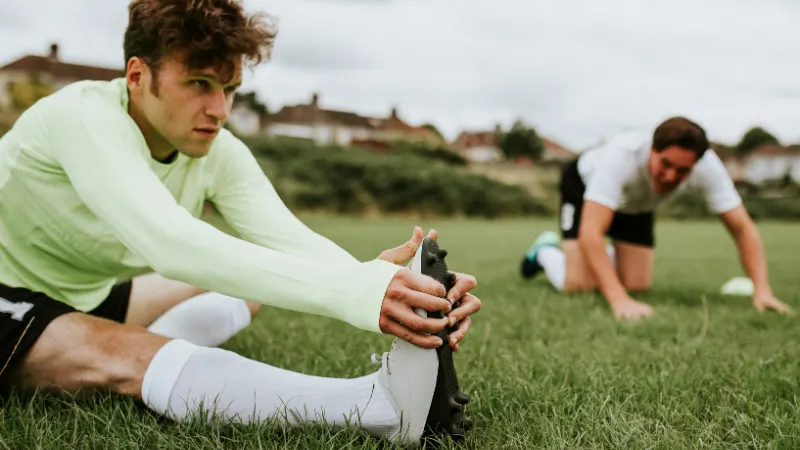
Curious How Football Training Has Evolved These Days? Ever wondered why NFL players today move like superheroes compared to the guys from the ’90s? Don’t you think football training has leveled up in a big way? Athletes now use GPS trackers, AI analytics, and recovery monitoring to optimize every sprint, lift, and rest period. Coaches tailor programs for each player to maximize performance and minimize injury risks, making training smarter and more efficient than ever before. The NFL Combine highlights this evolution. Forty-yard dash times, vertical jumps, and bench presses are all at an elite level thanks to high-tech training programs. With the upcoming Kansas City Chiefs vs Buffalo Bills game, fans can witness firsthand how athletes use these techniques onto the field play. Speed, agility, and explosive power are at an all-time high, making the sport faster and more intense than ever. Football training evolution doesn’t just stop at physical performance. Rest and recovery are now a regular part of training. Using data from wearables, coaches can adjust workloads, plan rest days, and ensure players do not overtrain. This combination of technology and strategy has redefined how athletes prepare for the season. Want to Know Why Players Are Getting Stronger Than Ever? Have you noticed how players like Derrick Henry and Tyreek Hill dominate the field? Their strength and speed are incredible. Power: Derrick Henry runs through defenders with sheer force, changing how teams approach tackling and blocking. Speed: Tyreek Hill moves with lightning-fast acceleration that makes defenders look like they’re standing still. Training Tools: Plyometrics, advanced weight programs, and personalized nutrition plans give these athletes the edge. It’s not about lifting heavy or running fast anymore. Modern programs focus on functional strength, explosive power, and sport-specific drills that mirror game conditions. Athletes are also using video analysis and biomechanics feedback to perfect their movements and reduce risk of injury. The takeaway is that modern football players are more explosive and powerful, but this comes with trade-offs. The faster and bigger they get, the harder the collisions on the field, which increases the risk of injury. As training evolves, managing the balance between strength and safety has become critical. Wondering Why Injuries Are Still Rising? Think being stronger automatically makes players safer?  Not always! Even with advanced training, injuries in the NFL are still climbing, and everyday athletes are not immune. Alijah Vera-Tucker (NY Jets): Torn triceps, seven-month recovery. Rob Jones (Dallas Cowboys): Broken neck, two to three months on injured reserve. Common Injuries: ACL tears, hamstring pulls, concussions, and shoulder injuries remain widespread. One reason is that muscle strength doesn’t automatically protect joints and ligaments. The human body can only handle so much stress, especially with collisions happening at higher speeds and forces than ever before. Even players with peak conditioning spend weeks or months recovering because injuries are often unavoidable in high-impact sports. With the upcoming Chiefs vs Bills game, we will likely see high-intensity plays that test player durability. These matches demonstrate the ongoing challenge teams face in keeping players both strong and healthy throughout the season. Want to Know How NFL Players Recover Faster and Stay Safe? Recovery isn’t just rest. It’s a science. NFL teams are investing heavily in football recovery tools and recovery protocols to keep players on the field. Mobility and Flexibility: Yoga, dynamic stretches, and joint drills reduce sprains and improve overall movement efficiency. Load Management and Prehab: Monitoring fatigue and strength imbalances and incorporating core stability drills can prevent injuries before they happen. Recovery Tools: Cold tubs, compression gear, sleep optimization, and extremely cold pads speed up healing and improve performance. Medical Advances: PRP (platelet-rich plasma) injections and stem cell therapy are increasingly used to accelerate recovery for injured players. Nutrition and Hydration: Balanced meals, protein intake, and proper hydration play a huge role in muscle repair and injury prevention. Even if you are not an NFL player, implementing some of these recovery strategies can drastically improve performance and reduce injury risk. Simple habits like stretching before and after workouts, prioritizing sleep, and staying hydrated go a long way. Thinking About How to Stay Safe While Getting Stronger? Training smart isn’t just physical; your mental game matters too. Mindfulness and Focus: Meditation, visualization, and mental rehearsal improve concentration and reduce the chances of mistakes that cause injury. Reaction Drills: Quick-thinking exercises enhance agility and prevent awkward collisions. Cross-Training: Engaging in sports like swimming or tennis improves overall fitness while giving joints a break from repetitive stress. Youth Safety Programs: Safer tackling techniques and concussion education are helping young athletes avoid long-term injuries. Strength alone is not enough to stay safe and perform at a high level. Longevity comes from a combination of mental focus, smart training, and proper recovery. Even professional players are constantly learning how to balance intensity with injury prevention. Conclusion So are football players stronger or just more injury-prone?  The answer is both. Modern football training evolution has created athletes who are faster, stronger, and more explosive than ever before, but injuries like ACL tears, concussions, and muscle strains still happen, as we have seen with Vera-Tucker and Jones. For everyday athletes, the key is balance. Train hard, recover smarter, and focus on flexibility, mental sharpness, and safety. Long-lasting success in sports depends on strategy, not just brute force. Challenge yourself this week to add one recovery habit. Stretch more, hydrate better, or try a mental focus drill. Small efforts now can save you from bigger setbacks later. By integrating football recovery tools, following the latest training techniques, and learning from NFL injuries, you can perform better and reduce the risk of injury, whether you’re playing at a competitive level or just staying active. FAQ Q: What is the biggest injury in football? A: ACL tears are considered the most serious and common major injury in football. Q: What causes the most injuries in football? A: Most injuries come from high-impact tackles, sudden changes in direction, and overuse stress. Q: Can stretching prevent football injuries? A:

Stronger or Injured? The Truth About Football Training Read More »

What’s the Best Sport for All-Age Fitness

What’s the Best Sport for All-Age Fitness?

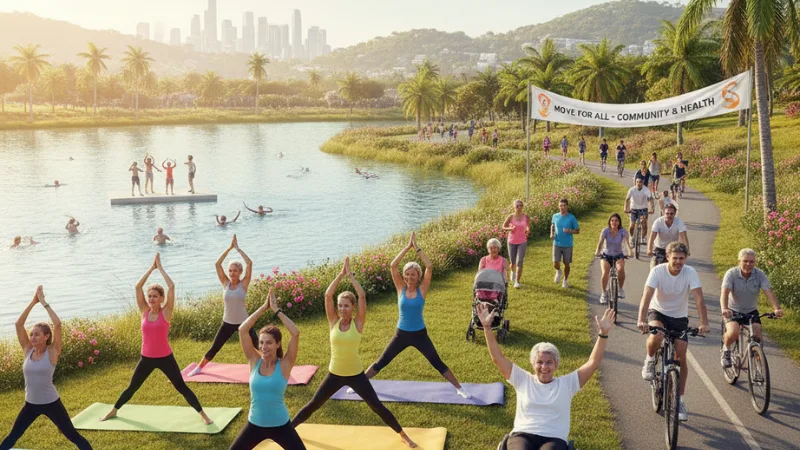
Introduction  Have you noticed how everyone around you is suddenly into some sport?  Pickleball is blowing up with new courts in every neighborhood.  Football season is back, and stadium vibes are everywhere.  After major tournaments, tennis courts are packed with players dusting off their rackets.  Kids are chasing soccer balls, adults are hitting tennis serves, and grandparents are walking laps. But here is the real question: which sport actually works for every age group? Not just fun, but fitness-friendly too.  Read this blog to the end because we will compare sports for kids, teenagers, adults, and seniors, and then crown the all-age winner that the whole family can play together. Why Sports Work for Every Age Ever wondered why sports feel so good no matter how old you are? Why does your doctor keep telling you to “just move more”? Sports build fitness that sticks. It keeps your body strong. They boost immunity and help you stay healthier. They sharpen the mind and improve mood instantly. From football fields to tennis courts, sports are basically medicine in motion. And according to the CDC, kids and teens need about 60 minutes daily, while adults and seniors should aim for 150 minutes weekly. Whether it is football fields, tennis courts, or local gyms, staying active is less about age and more about finding your fit. The best part is that sports make fitness feel less like a chore and more like a lifestyle. Best Sports for Kids (from 5 to 12 Years)  What sport do kids actually love while also learning life skills? For kids, sports are not just workouts; they are growth tools. Soccer (football): teamwork, coordination, resilience. Swimming: life skill plus full-body strength. Martial arts: discipline, focus, and confidence. Gymnastics: balance, flexibility, and body control. Health Level Needed: Instead of kids spending hours on screens, let them burn that energy outdoors. Sports now mean fewer health struggles later and less pressure to “get fit” in a gym as adults. And how healthy kids need to just play: Just basic energy and enthusiasm; no special fitness level needed. Great for building early movement skills. These activities keep energy levels in check, improve social skills, and set the stage for lifelong healthy habits. If you are searching for the best sports for kids fitness or sports for child development, these are the top picks. Think of it this way: soccer is teamwork in sneakers, swimming is safety plus strength, and martial arts turns playtime into life lessons. Best Sports for Teenagers (from 13 to 17 Years) Which sports keep teens active while also boosting confidence? Teenagers thrive on energy, social bonding, and challenges. Best options include: Basketball: cardio, teamwork, and leadership Track and field: stamina, discipline, and personal growth Football and volleyball: teamwork, strategy, and energy release Swimming and tennis: building fitness while sharpening focus and skills Health Level Needed: Teens can start at any level. Sports help them grow flexibility, stamina, and mental resilience. Encourage teens to replace some screen time with sports time. Staying naturally active now means they won’t feel the need to chase quick-fix workouts at a gym later. If you are searching for the best sports for teenagers or sports for teen fitness, these tick all the boxes. Think of basketball as cardio with friends, track as a confidence booster, and tennis as focus training that works on and off the court. Best Sports for Adults (18 to 40 Years) How do you squeeze fitness into a busy adult schedule without it feeling like a workout chore? These sports fit perfectly: Tennis: It’s basically cardio disguised as fun. Cycling: Ideal for commutes or weekend rides. Pickleball: easy to learn, fun to play, social buzz. Recreational football: exercise plus social escape. Health Level Needed: Beginners can start with lighter options like pickleball. Fitness levels can scale up with intensity and time. If you are searching for the best sports for adults or fitness sports for a busy lifestyle, these are the go-tos. Real talk: weekend football with friends is not about touchdowns; it is about laughs, heart health, and bonding. Sports like tennis, cycling, or even weekend football keep you fit naturally. Best Sports for Seniors (60+ Years) What is the secret to staying active without putting too much strain on the body?  Do you think sports stop after retirement? Not even close. Walking: It is underrated, easy, brain-boosting, and joint-safe. Swimming: low impact, builds strength. Pickleball or doubles tennis: social, light, and trending. Golf: relaxation with steady movement. Yoga: flexibility and balance. Health Level Needed: Light to moderate fitness is enough. The focus is on mobility, balance, and consistency. Forget the idea that gyms are the only way to stay healthy later in life. Let’s be real; sports like walking, swimming, or pickleball keep you naturally fit and happy, no heavy weights required. Simply moving, laughing, and enjoying time with friends. Age Group Recommended Sports Key Benefits Kids (5-12 years) Soccer, Swimming, Martial Arts, Gymnastics Teaches life skills like teamwork, discipline, coordination, and full-body strength. Teenagers (13-17 years) Basketball, Track and Field, Football, Volleyball, Swimming, Tennis Boosts confidence, stamina, leadership, and social bonding. Adults (18-40 years) Tennis, Cycling, Pickleball, Recreational Football Offers a fun way to get cardio and socialize, fitting easily into a busy schedule. Seniors (60+ years) Walking, Swimming, Pickleball, Doubles Tennis, Golf, Yoga Focuses on mobility, balance, and consistency without excessive strain. The All-Age Winner So which sport can everyone in the family actually play together? Swimming and pickleball take the crown. Swimming is full-body, safe, and low-impact for all ages. Pickleball is fun, easy to learn, and brings everyone to the court. Tennis (especially doubles) remains a solid runner-up. Pickleball courts are basically the new family reunion spot; kids, parents, and grandparents can all get in on the fun. Quick Tips to Start Want to start but feel nervous about “not being sporty enough”? Join a community soccer or tennis league for social fun. Get a family swim pass for weekend bonding.

What’s the Best Sport for All-Age Fitness? Read More »

Healthcare in Sports Safety, Recovery & Performance

Healthcare in Sports: Safety, Recovery & Performance

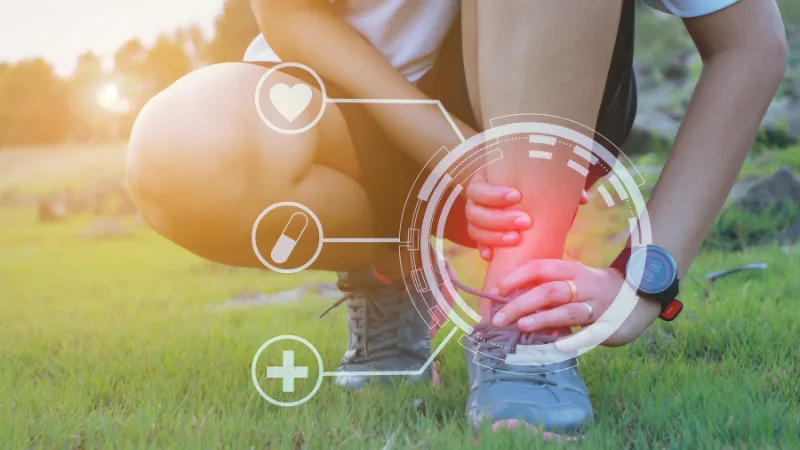
Introduction Hey there! Have you ever wondered what keeps athletes healthy and performing at their best, whether they are regular people participating in weekend sports or the pros we watch on TV? Or maybe you ever joined a new sport or workout class and thought to yourself, “Please don’t let me get injured”? That is where sports healthcare comes in. And don’t worry, this isn’t just about professional athletes with million-dollar contracts or about fixing injuries after they happen. Today’s sports healthcare is about prevention, smarter recovery, and boosting performance with the help of science and technology. This is about you, the person who loves a good pickleball game with friends, or training for your first marathon, or simply keeping active as part of a healthy lifestyle. Advances in this field are changing the way we move, train, and heal. Preventing injuries, recovering more quickly with smarter recovery, and strengthening training with tech-powered performance tools are the three primary pillars of sports healthcare that you will explore in this blog. Also let’s look at trends influencing the sport in America, from pickleball injury prevention to AI-driven wearables, and explain why these shifts matter for anyone who wants to stay active. Prevention: Staying in the Game Prevention is where the smartest healthcare begins. The best win is not getting hurt in the first place.  Pickleball’s Injury Boom Pickleball has quickly become one of the most popular sports in the country, drawing in players from every age group. Yet, as more people join the game, the number of injuries is climbing too.  Reports show nearly 19,000 pickleball-related injuries each year, with 90 percent involving people over age 50. The most common injuries include ankle sprains, Achilles tendon tears, and wrist fractures. Estimates suggest medical costs from pickleball injuries range from 250 million to 500 million dollars annually. The sport is fun but can be demanding, especially for players who skip warm-ups or wear the wrong shoes. The good news is that prevention is simple: Warm up and stretch before games Wear supportive court shoes Avoid backpedaling, which often causes falls Add strength and flexibility exercises to your weekly routine Data-Driven Insights for Women Athletes Another important conversation in sports healthcare is around women athletes and ACL injuries. Research indicates that ACL injuries occur more often in women than in men. Prevention programs are proving effective. Neuromuscular training methods like PEP and FIFA 11+ focus on balance, agility, and strength. Studies suggest they can cut ACL injury risk by nearly 88 percent. Coaches are also beginning to use more holistic approaches. Training plans are adjusted around menstrual cycles, while mindfulness and mental health strategies are included to reduce fatigue-related risks. This makes prevention more personal and effective. Speedy Recovery: Smarter Ways to Bounce Back Even with the best prevention, injuries still happen. Recovery is the second big piece of the puzzle. The smarter the recovery process, the faster people can get back to the activities they enjoy. Mobile High-Tech Biomechanics Biomechanics labs once belonged only to elite athletes and research centers. They analyze how people move, using sensors and cameras to spot risky patterns. Now, mobile versions are becoming available. For example, Des Moines University created a mobile biomechanics unit that travels to athletes. Picture a van pulling up to your sports field, setting up equipment, and giving real-time feedback. This helps prevent re-injury and creates personalized rehab programs. Smarter Rehab Tools Beyond fancy labs, recovery gadgets you can actually use at home are leveling up too. Some of the coolest include: Compression boots that reduce swelling after tough workouts Cold therapy systems that target sore muscles Electrical stimulation devices that keep muscles active during downtime Virtual PT apps where you chat with a therapist on your phone These tools are not just for elite athletes anymore. They are slowly becoming accessible for regular people who want faster, smarter recovery. That’s the best part! Optimizing Performance: Powering Up with Tech Once people are recovered, the next question is how to train better without risking burnout or injury. Wearables and AI Insights Wearable devices have evolved far beyond step tracking. Today’s fitness bands and smartwatches can measure sleep, heart rate variability, oxygen levels, and training load. This information helps athletes know when to push and when to rest. AI makes this even smarter. Apps can now analyze wearable data and create personalized training plans that adapt daily. Instead of following a rigid schedule, you get guidance that matches your body’s needs. Predictive Injury Prevention Solutions Another trend is predictive healthcare. The sports injury prediction market is projected to grow from nearly 2 billion dollars in 2024 to more than 2.1 billion dollars in 2025. These systems combine motion tracking, posture analysis, and vital signs with AI. They can detect early warning signs of overload, nudging athletes to rest before a serious injury develops. Why This Matters: Research, Market, and Momentum Big Names in Research Behind all these advances are powerhouse research centers like Harvard Medical School and Mayo Clinic. They are leading studies on everything from ACL prevention to regenerative treatments like platelet-rich plasma (PRP) therapy. This kind of research is shaping how athletes at every level are treated, proving sports healthcare is not just a trend but a full-on movement. A Growing Market And here’s the kicker: money is pouring into sports healthcare. The market was valued at 2.36 billion dollars in 2024 and is projected to more than double to 5.29 billion dollars by 2034. That growth is being fueled by people staying more active, gyms and sports leagues booming, and the rise of AI-driven rehab and diagnostics. Translation: demand is only getting bigger. Wrapping It Up So, what did we just learn? Sports healthcare is basically your all-in-one safety net. It keeps you from getting sidelined, helps you recover when you do, and lets you train smarter with tech that feels straight out of the future. And the coolest part is this: you do not need to be a pro to

Healthcare in Sports: Safety, Recovery & Performance Read More »

How AI Is Changing Skincare & Skin Cancer Detection

How AI Is Changing Skincare & Skin Cancer Detection

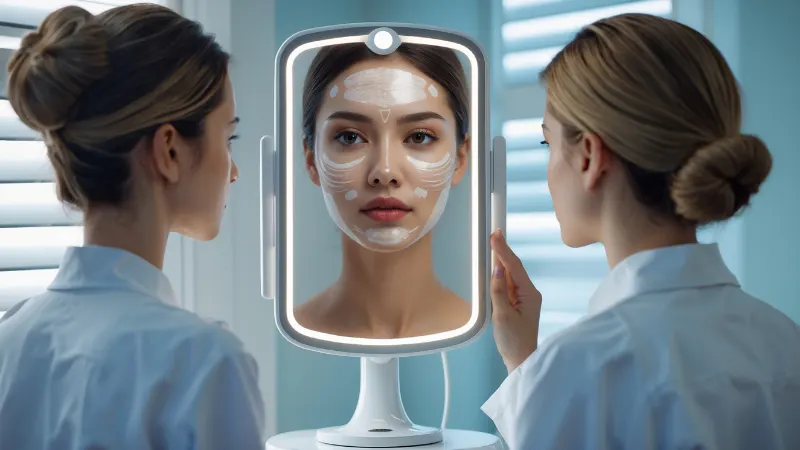
You have probably heard about AI in self-driving cars, smart assistants, and chatbots. But here is something you may not have expected: AI is now stepping into skincare and even cancer care in the U.S. Imagine your daily routine with cleansing, moisturizing, and sunscreen. Now picture AI quietly working in the background to protect not just your glow but your health too. Here’s the big question: Will your skincare routine soon be able to help you detect skin cancer symptoms early? The answer might surprise you. AI Skincare Apps: Turning Phones into Personal Skin Coaches You already use your phone to count steps, track your sleep, or remind you to drink water. Now, AI-powered skincare apps are becoming like personal skin coaches for all. Tools like Olay Skin Advisor and Revieve are leading the way. Why do people in the U.S. love them? Because of personalized recommendations. Instead of guessing which serum or sunscreen to buy, these apps scan your skin and suggest what works best for you. It’s quick, it’s easy, and it’s like having a dermatologist in your pocket (minus the long appointment wait times). AI for Early Skin Cancer Detection: Life-Saving Technology in Action Now, let’s move from beauty to something even bigger: health. In the U.S., AI tools are being used to detect skin cancer early, and this is a game-changer. Devices like DermaSensor have received FDA approval, meaning they’re trusted at a medical level. Here’s how it works: AI scans your moles or spots and flags anything suspicious, with accuracy close to what dermatologists can deliver. For many Americans, this makes early detection easier and far more accessible, because detecting skin cancer early can literally save lives. Japanese Early Cancer-Detection Tech Inspiring the U.S. Do you know, while the U.S. is moving fast, some of the most exciting breakthroughs in early detection are coming from Japan, and they are starting to shape how we do things. Olympus and Fujifilm have developed AI-powered endoscopy tools that can spot and flag unusual tissue growths instantly during the procedure. These are already being studied in the U.S. to improve early cancer screening. Japanese researchers trained AI on 120,000 skin lesion images, reaching an accuracy of about 86 percent, which outperformed many specialists. This kind of innovation is driving smarter skin-monitoring tools worldwide. And then there is Toshiba’s microRNA test, which uses a single drop of blood to detect up to 13 different cancers with 99 percent accuracy. It is still in development, but U.S. scientists are closely watching to bring similar liquid-biopsy methods here. Here is the most interesting part. Japan even built AI for bakeries. Originally designed to recognize bread types at checkout, the same image-recognition technology was later adapted to detect cancer cells in scans. It proves that everyday AI can evolve into life-saving healthcare. And this is not just theory. Notable U.S.–Japan collaborations are already underway: The U.S. Frederick National Lab (NCI/FNL) and the National Cancer Center of Japan (NCC) are working together on AI-assisted drug discovery. The MONSTAR Project in Japan, one of the largest precision-oncology studies, now partners with U.S. companies like Caris Life Sciences to integrate AI tumor profiling into trials. Conferences continue to connect the two countries, including the upcoming 12th U.S.–Japan Conference on AI-Empowered Cancer Research with AI on 5th September 2025 in Washington, D.C. In short, America’s cancer-care future is being shaped not just at home but also through Japanese precision and innovation. AI Self Cancer-Care Meets Preventive Skincare in the U.S. What’s exciting is how skincare and cancer care are blending together. Americans are using AI not just for beauty tips but also for preventive health. With apps and telemedicine, you can monitor changes in your skin at home, without waiting for your yearly checkup. It’s about empowerment. Instead of reacting late, AI helps you act early, whether it’s booking a dermatologist visit or just adjusting your routine. Your skincare steps suddenly double as health check-ins, and that’s powerful. Challenges of AI in Skincare and Cancer Detection Of course, AI isn’t flawless. Sometimes it can give false alarms, known as false positives or miss something important known as false negatives. And then there’s the privacy factor. Your skin selfies aren’t just pictures; they’re medical data. Americans are right to ask: who’s storing this info and how safe is it? That’s why dermatologists still play a crucial role. AI can guide, support, and alert you, but human expertise is essential in cancer care. Think of AI as the assistant, not the replacement. Future of AI in Cancer-Care: From Smart Mirrors to Wearables Now, let’s look ahead. AI in cancer care isn’t stopping with apps and scanners. It’s moving into everyday objects you already use. Imagine standing in front of your bathroom mirror, and instead of just showing your reflection, it’s an AI-powered smart mirror that tracks changes in your skin daily. No more guessing if that mole looks different; it tells you. Then there are AI wearables that measure UV exposure and notice subtle changes in your skin over time. In the U.S., the trend is clear. Proactive, AI-driven health monitoring at home. Instead of waiting until something feels wrong, you’ll have real-time insights, helping you protect your skin and health before problems even start. Final Thoughts: Smarter AI Skincare, Safer Self Cancer-Care To wrap this up, AI is giving Americans smarter ways to care for their skin, from suggesting suitable products to spotting unusual moles and reminding them when it’s time to visit a doctor. And with Japanese innovations fueling U.S.–Japan collaborations, the future looks even brighter. The balance is key. Think of it this way: AI empowers you, but doctors confirm for you. The future of skincare in the U.S. is not just about beauty anymore. It is about prevention, protection, and survival. With AI stepping in as your skincare partner, you are not just glowing, you are staying safe. FAQ Q: Can AI skincare really detect skin cancer early? Yes. Tools like FDA-cleared DermaSensor and

How AI Is Changing Skincare & Skin Cancer Detection Read More »

How Sleep Quality Impacts Your Skin & Health

How Sleep Quality Impacts Your Skin & Health

You’ve probably heard people talk about beauty sleep. It’s not just a trendy phrase. Sleep is literally your body’s most powerful restorative tool. From glowing skin to a stronger immune system, the quality of your rest affects every part of your health. We all know that a lack of sleep can make us feel drained. But here’s something you may not realize: poor sleep also shows up on your skin and can even make certain skin conditions worse. Sleep is more than just about waking up feeling refreshed. It is a repair cycle that keeps your skin, body, and mind functioning at their best. In this blog, we’ll explore the science behind how sleep impacts skin quality, aging, and overall health, and why it deserves a spot at the top of your self-care routine. Why Sleep Matters for Your Skin When you get a full night’s sleep, your skin doesn’t just rest, it works overtime to heal and restore itself. Better blood flow: As you rest, your circulation boosts, supplying vital oxygen and nutrients that support skin recovery from UV rays and environmental damage. Stronger skin barrier: Sleep strengthens your outer protective layer, locking in moisture and defending against irritants. Studies show that people who are well-rested have up to 30 percent better recovery of their skin barrier after disruption and experience less water loss. Translation: hydrated, happier skin. Slower signs of aging: At night, your body produces more collagen and elastin, proteins that keep skin firm and youthful. Quality sleep reduces wrinkles, fine lines, and sagging over time. Think of it as your most affordable anti-aging treatment. The Science of Sleep and Skin Renewal This is what goes on in your body while you sleep: Cell repair and renewal: Deep sleep helps repair daily damage caused by stress and environmental factors. Collagen boost: Most collagen production happens overnight, which keeps skin smooth and firm. Hormone balance: Poor sleep disrupts cortisol and melatonin levels. High cortisol levels can fuel stress, boost oiliness, and worsen acne. Detox mode: While you’re resting, your body clears toxins, keeping both brain and skin fresher. This explains why even one sleepless night can leave you looking and feeling off the next day. Sleep, Immunity, and Skin Conditions Sleep does more than recharge your energy; it also keeps your body’s defenses strong. When you don’t sleep well, your immune system weakens, and that can make skin issues harder to manage. Why it matters: Poor sleep can cause more inflammation in the body, which often shows up on the skin. That’s why conditions like eczema or psoriasis can flare up when you’re sleep-deprived. Psoriasis, for example, is a condition where the body mistakenly attacks its own skin cells, leading to red, itchy, scaly patches that usually appear on areas like the elbows, knees, scalp, or torso. Your body’s memory: Sleep also helps your immune system “remember” how to protect you. Without enough rest, problems like psoriasis or vitiligo may come back more often. Vitiligo appears as white patches on the skin and can even affect your hair, the inside of your mouth, or your ears. How Poor Sleep Worsens Skin Conditions Acne: Sleep loss increases oil and cholesterol production, fueling breakouts. Psoriasis: Lack of rest heightens inflammation and can raise cardiovascular risks for those with psoriasis. Eczema: With less rest, your skin barrier weakens, making dryness and irritation worse. Why Lack of Sleep Affects Your Skin So Much Ever noticed how tired your skin looks when you don’t sleep well? There are two big reasons behind that: Hormone chaos: When you skimp on sleep, it throws off your natural hormones. Stress hormones (like cortisol) shoot up, which weakens your skin’s protective barrier, makes breakouts more likely, and even speeds up signs of aging. Extra stress on your skin: Poor sleep also creates more “free radicals” in the body, tiny troublemakers that damage skin cells. This slows down healing, dulls your glow, and brings on wrinkles or flare-ups faster. Beauty Sleep is Real Yes, beauty sleep actually exists. Here’s why dermatologists swear by it: Overnight hydration boost keeps skin soft and plump. Improved blood flow gives you that natural, radiant, healthy glow. Collagen repair keeps your skin youthful. Hair growth support since follicles get better nutrient supply when you rest well. Sleep is hands down the cheapest and most effective beauty treatment you’ll ever find. How to Improve Your Sleep for Better Skin and Health Protecting your skin through better sleep doesn’t need to be complicated. Tweaking lifestyle slightly can go a long way: Ensure you sleep well for 7 to 9 hours daily. Stick to a regular sleep routine by going to bed and waking up at the same time daily (yes, even on weekends). Make your room cool, dark, and gadget-free for deeper rest. Switching to silk pillowcases is gentler on your skin and helps reduce irritation. Warm red-toned evening light at night supports your body’s natural sleep hormone, melatonin. Just a few minutes outside helps reset your body clock and keeps your sleep cycle on track. Your skin absorbs treatments better at night. Apply retinoids or serums before bed for maximum results. Final Thoughts When you rest, your skin is busy healing itself. Think of sleep as your body’s natural beauty treatment; it hydrates, repairs, strengthens, and even shields against long-term damage. So the next time you’re tempted to sacrifice rest for late-night scrolling or “just one more episode,” remember this: good sleep equals glowing skin, stronger immunity, and a healthier you. Treat sleep like your nightly skincare ritual, and you’ll see the results not just on your face, but in your overall health. FAQs Q1. How many hours of sleep do I need for glowing skin? Ans. Most adults need 7 to 9 hours for their skin and body to fully repair. Q2. Can naps make up for poor sleep? Ans. Short naps can refresh you but don’t replace deep overnight sleep. Q3. Does sleeping with makeup affect skin more if I’m already

How Sleep Quality Impacts Your Skin & Health Read More »

Is Personal Care the Secret to Long-Term Health and Happiness

Is Personal Care the Secret to Long-Term Health and Happiness?

The wellness world is buzzing about personal care, and honestly, it is more than just another passing trend. It is becoming a real lifestyle choice. But here’s the twist: personal care is not only about fancy skincare products or spending hours on elaborate beauty rituals. At its core, it is about the small habits you build into your everyday routine that support your mind, body, and overall vibe. Think of it as building a toolkit for your well-being. When practiced daily, personal care can become the foundation of both long-term health and true happiness. So, is personal care the secret? Yes, it is, but with a twist. It is less about adding “extra” to your routine and more about being intentional with how you eat, move, rest, and recharge. Personal care is the lifestyle shift that keeps you healthy, confident, and grounded for the long run. What is Personal Care, Really? When most people hear “personal care,” they picture skincare aisles, face masks, or self-indulgent spa days. But here’s the reality: personal care goes way beyond grooming. It’s all about caring for your body, mind, and vibes as one big package deal.” Personal care is the morning walk that clears your head before work. It is choosing a balanced meal over takeout five nights in a row. It is journaling when you feel overwhelmed, practicing mindfulness when life gets messy, and making sure you actually sleep for a full seven hours instead of scrolling at 2 AM. Holistic personal care matters because quick fixes rarely work. You cannot mask stress with a sheet mask, and you cannot catch up on months of poor sleep in one weekend. The habits you build today shape your future health and happiness. That is why personal care is not an add-on to life; it is part of the foundation. The Connection Between Personal Care and Physical Health Think of personal care as preventive medicine without the white coat. The daily choices you make directly influence your energy levels, immunity, and long-term health. Hydrating regularly, eating nutrient-rich meals, and moving your body are not glamorous, but they are game-changers. Simple routines like a 30-minute walk, light stretching, or prioritizing whole foods help reduce the risk of chronic illnesses over time. Good hygiene supports immunity. Regular sleep balances hormones. Even just choosing water over soda has ripple effects on your overall well-being. The benefits are long-lasting. You are not only avoiding potential health issues but also creating resilience. Take care of your body, and your mind follows. That is the beauty of personal care. It is not about short-term rewards, but the quiet, consistent impact that shows up years later in the form of vitality, strength, and longevity. Personal Care and Mental Well-Being Physical health is only half the story. Your mental health is just as connected to personal care. Think about the calm that comes after meditation, the focus you regain when journaling, or the mood boost you get after unplugging from your phone. These are not just small perks; they are mental health strategies disguised as daily rituals. Personal care helps regulate stress, builds emotional resilience, and fuels self-esteem. When you consistently show up for yourself, whether by taking breaks, practicing gratitude, or keeping a bedtime routine, you send your brain the message that you matter. That builds confidence and clarity. Happiness is not always about chasing big milestones. Sometimes it is in the quiet moments: drinking tea without distractions, setting healthy boundaries, or giving yourself permission to rest. Those little self-care moments turn into long-term good vibes. Yoga and Ayurveda: Ancient Tools for Modern Personal Care Sometimes the best personal care is not found in expensive supplements or trendy products but in practices that have been trusted for centuries. Yoga and Ayurveda are perfect examples. Yoga is more than a workout. It is a movement that strengthens the body and calms the mind at the same time. Even a short daily practice of gentle stretches or breathing exercises can boost flexibility, ease stress, and help you feel grounded. Instead of chasing fast results, Yoga isn’t a shortcut but a steady practice that helps your body grow stronger and your mind find balance. Ayurveda works hand in hand with this by focusing on balance from the inside out. Instead of relying on synthetic supplements, it encourages natural methods, like eating seasonal foods, sipping herbal teas, or using plant-based remedies to support digestion, immunity, and energy. These simple shifts feel nourishing without overwhelming your body. Together, yoga and Ayurveda remind us that personal care is not about chasing trends. It is about slowing down, listening to your body, and choosing practices that nurture long-term health and calmness. Personal Care as a Lifestyle Here is the secret: personal care is not something you schedule once in a while. It becomes most powerful when it is woven into your lifestyle. Small, consistent habits like mindful eating, a quick digital detox, or stretching before bed are easier to maintain and make a bigger impact than occasional bursts of self-care. Think of your mornings and evenings as bookends to your day. A simple morning ritual with hydration, light movement, and mindful breathing sets the tone. Night routines, like reading instead of scrolling or winding down with calming music, signal your body that it is time to rest. Personal care as a lifestyle is not about being perfect. It is about balancing productivity with relaxation. It is learning that taking care of yourself is not indulgent but essential for a healthier, more sustainable way of living. Common Misconceptions About Personal Care Let’s clear a few myths that make personal care seem intimidating: Myth 1: Self-care is luxury. Reality: drinking water, breathing exercises, or going for a walk cost nothing. Myth 2: It is only about beauty. Reality: true personal care includes nutrition, sleep, mental health, and movement. Myth 3: It takes too much time. Reality: 10 minutes of mindfulness can do more for your brain than an hour of

Is Personal Care the Secret to Long-Term Health and Happiness? Read More »

From Pizza to Prescriptions Costco’s Healthcare Move

From Pizza to Prescriptions: Costco’s Healthcare Move

Introduction We all know and love Costco’s legendary $1.50 hot dog and soda deal; it’s basically a cultural icon. But here’s what most people don’t realize: Costco isn’t just serving snacks anymore; it’s quietly stepping into the healthcare game. Think about it, where else can you grab a giant pizza slice, stock up on 40-pack muffins, and book a virtual doctor’s appointment? Costco is moving beyond bulk groceries and food court favorites, offering members easier access to prescriptions, lab tests, and even telehealth services. Healthcare bills are only getting scarier, and most people just want options that don’t drain their wallets. Costco’s model, affordable, convenient, and trustworthy, could be the bridge between everyday shopping and everyday health. It’s not just about saving money at checkout anymore; it’s about making healthcare feel as simple as grabbing that rotisserie chicken on your way out. The Cult of the Costco Food Court If you’ve ever been to Costco, you know the drill: you don’t leave without at least thinking about grabbing something from the food court. Whether it’s the famous $1.50 hot dog and soda combo, a greasy-but-perfect slice of pizza, or that oddly addictive chicken bake, the menu has reached cult status. But here’s the thing, it’s not just about the food. The Costco food court has grown into its own cultural icon. People trust it because it’s affordable, consistent, and always there for you (seriously, when has the price of that hot dog ever changed?). For many, it’s a little ritual; grab a snack after shopping, fuel up before the weekend haul, or just swing by because why not? At its core, the food court captures Costco’s essence: affordable, simple, and always hitting the spot. It’s comfort food wrapped up in the brand’s bigger promise, giving you more for less, whether that’s a slice of pizza or a bulk pack of vitamins. Costco & Healthcare So here’s where things get wild; Costco isn’t stopping at feeding you cheap pizza. Now, they’re dipping into healthcare. Yup, the same place you score bulk snacks is also giving members access to virtual doctor visits, low-cost prescriptions, and even lab tests. Seems almost unbelievable, yet it’s totally logical. Just like the food court, Costco’s approach to healthcare is all about keeping it simple, affordable, and reliable. No surprise bills. No overcomplicated fine print. Just straight-up value that feels, well very Costco. And let’s be real, healthcare in the U.S. is expensive and confusing. People are tired of paying outrageous prices for a 10-minute appointment or stressing over prescription costs. Costco stepping in feels like that friend who says, “Relax, I got you; let’s split this giant pack and save some cash.” Only this time, instead of muffins, it’s your medical care. Costco isn’t trying to replace your doctor’s office tomorrow, but they are rethinking what affordable care could look like for everyday people. And that’s huge, because just like their food court classics, once Costco sets a price and a standard, it usually sticks. Food and Health: An Unlikely Connection Here’s the funny paradox: you’ll see people ordering a $1.50 hot dog combo right after filling a prescription for cholesterol meds. It’s almost ironic, but it’s also peak Costco. The food court isn’t exactly a health food destination (we’re not calling that chicken bake “clean eating” anytime soon), but that’s what makes Costco’s setup so interesting. On one side, you’ve got indulgence; cheap pizza, churros, sundaes. On the other, you’ve got responsibility; affordable prescriptions, lab tests, even virtual doctor visits. Costco keeps it flexible, you’re not stuck picking sides. It gives you both, because real life is about balance. In a way, the food court represents comfort and fun, while the healthcare offerings represent security and care. Together, they tell a bigger story: Costco is trying to be the place you can trust for all the essentials, from your cravings to your check-ups. Why Costco’s Model Works Trust & Loyalty: People already see Costco as the king of savings. If they’ll buy a 48-pack of muffins without thinking twice, chances are they’ll also trust Costco to save them money on healthcare. Convenience: Where else can you grab groceries, eat lunch, pick up a prescription, and schedule a virtual doctor visit; all in one trip or even online? Costco is turning errands into a one-stop experience. Affordability: True to its mission, Costco keeps prices low and predictable. Whether it’s a $1.50 hot dog or a $29 telehealth visit, members know they’re getting real value without hidden fees. The Business Hype Around Costco’s Healthcare Move Costco’s healthcare push isn’t just another perk for members, it’s becoming a business headline. The buzz comes from how on brand this move feels. Costco has built its empire by making everyday essentials affordable and reliable, and now it’s applying that same formula to one of the most expensive parts of modern life: healthcare. For members, it feels like an upgrade. From a corporate lens, it feels like a bold flex. Analysts are calling it smart timing; healthcare costs keep climbing, people are desperate for affordable options, and Costco is sliding in with a solution that feels trustworthy and familiar. The hype is also about scale. When Costco does something, it doesn’t dabble. Just like the food court hot dog became a cultural icon, low-cost doctor visits and prescriptions have the potential to reshape how millions of people think about where they get care. At its core, this is Costco showing off its biggest strength: turning value into loyalty. It’s not just about saving a few bucks, it’s about customers believing that if Costco puts its name on something, it’s going to be simple, affordable, and worth it. Conclusion Costco has never really been just a store. For a lot of people, it’s part of their weekly routine, a place that feels familiar and dependable. The food court turned into a comfort zone because it gave people something consistent, affordable, and kind of fun to look forward to after shopping. Now

From Pizza to Prescriptions: Costco’s Healthcare Move Read More »