RethinkTrends

Health

Are You Missing Out on the Biotic Trio?

Are you missing out on the Biotic Trio?

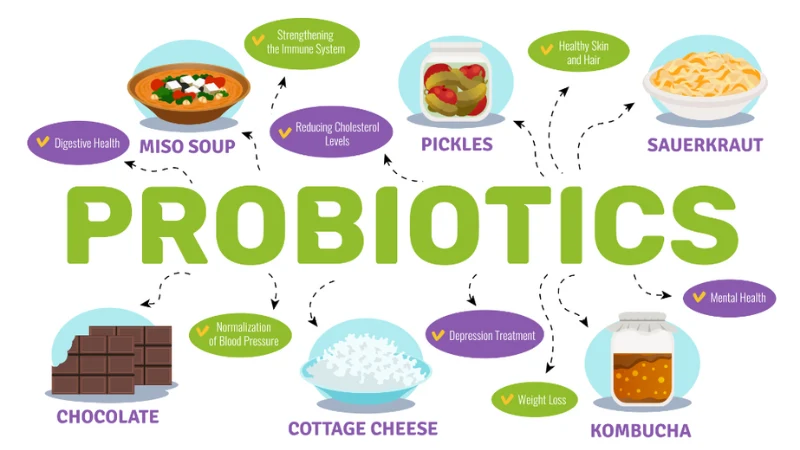
Gut health has transitioned from a niche wellness trend to a widely recognized mainstream concept. From TikTok creators showing off their “gut-friendly” morning smoothies to grocery aisles in Whole Foods packed with kombucha, kefir, and prebiotic sodas, digestive health is everywhere. At the center of this movement is the “biotic trio”: probiotics, prebiotics, and postbiotics. Consider them as the cheerleaders for your gut health: Probiotics are the live “good” bacteria. Prebiotics are the fuel that keeps them thriving. Postbiotics are the powerful compounds they produce to keep your body balanced. But here’s the real kicker: these aren’t just wellness buzzwords slapped on fancy packaging. The biotic trio is becoming a core part of personalized nutrition, helping people move away from one-size-fits-all diet advice toward gut-smart choices tailored to their unique biology. What Are Probiotics? Think of probiotics as the bacteria that are friendly & keep your digestive system in balance. They work behind the scenes to support digestion, strengthen your immune system, and keep your gut microbiome in balance. You’ve probably already seen them everywhere. From the classic cup of Greek yogurt at Trader Joe’s to kombucha on tap at hip cafés in Los Angeles, probiotics have officially gone mainstream. Even sparkling “gut health” sodas like Poppi and Olipop are riding the probiotic wave. So why are they such a big deal? It can Improve digestion and nutrient absorption It can reduce bloating and ease common stomach discomfort It can boost immune defenses, so you get sick less often Even support mood and mental health since your gut and brain are deeply connected Who benefits the most? Anyone struggling with frequent digestive issues, people who’ve taken multiple rounds of antibiotics, or those looking to restore gut balance after a hectic lifestyle. In short, probiotics are your gut’s besties. They help your system stay strong, happy, and resilient. What Are Prebiotics? If probiotics are the “Friendly” bacteria, then prebiotics are the snacks that keep them alive and thriving. Prebiotics are special non-digestible fibers that your body cannot break down, but your gut bacteria absolutely love. They act like plant-based fuel for the probiotics living in your digestive system. You’ll find them in everyday foods that are surprisingly common in U.S. kitchens. Think garlic and onions sizzling in a stir fry, bananas tossed into a smoothie, or whole grain toast from your favorite brunch spot. Even asparagus roasted at a summer BBQ is serving your gut more than flavor; it is feeding your microbiome. So why should you care about prebiotics? They: Help healthy gut bacteria grow and multiply Improve metabolism and support weight management goals Keep you feeling fuller for longer, making it easier to avoid random snack cravings The personalized nutrition angle is big here. Prebiotics are especially helpful for people who struggle with irregular digestion or those who need more fiber in their daily routine. If your diet is heavy on processed foods and light on plants, your gut might be starving for prebiotics. In short, prebiotics are like the meal prep service for your probiotics, making sure your gut’s good bacteria never go hungry. What Are Postbiotics? If probiotics are the “friendly” bacteria and prebiotics are their fuel, then postbiotics are the powerful byproducts they leave behind. Think of them as the wellness rewards your gut cashes in after the bacteria finish doing their job. Postbiotics include things like short-chain fatty acids, peptides, and other bioactive compounds that help your body in big ways. Even though they are not living organisms like probiotics, they play a massive role in keeping you healthy. Here is what makes postbiotics so special: They lower inflammation and help make your immune system stronger They support gut barrier function, making your digestive system more resilient They can help improve metabolic health and support weight balance Some studies suggest they can boost overall energy and recovery You will not see postbiotics listed on your average grocery item as often as probiotics or prebiotics, but they are gaining attention in the U.S. supplement market. Brands are starting to create postbiotic capsules and functional drinks as the next big wellness wave. Who benefits the most? Anyone who wants to take gut health a step further, especially people focused on immunity, energy, or reducing inflammation. In simple terms, postbiotics are the endgame of the gut health cycle. They are the proof that when your microbiome is happy, your whole-body wins. Why the Biotic Trio Matters Probiotics, prebiotics, and postbiotics are more than just popular health terms. They work like a team, each playing a different role to keep your gut and overall health in check. Probiotics bring the friendly bacteria, prebiotics feed them so they can thrive, and postbiotics are the powerful benefits your body gets in return. When you bring all three into your routine, whether that is yogurt and bananas at breakfast, kombucha at lunch, or a fiber-rich dinner; you are building a gut-friendly lifestyle that supports digestion, immunity, metabolism, and even mood. The takeaway is simple. A balanced gut means a healthier, more energized you. And with the rise of functional foods and supplements in the U.S., it has never been easier to make the biotic trio part of your daily wellness playbook. FAQ Q1 – When to take probiotics, morning or night? You can take probiotics either morning or night, just be consistent daily for best results Q2 – Do probiotics raise blood sugar? No, probiotics don’t raise blood sugar and may actually help improve blood sugar control in some people. Q3 – Can I make my own probiotic? Yes, you can make probiotics at home through fermented foods like yogurt, sauerkraut,. Q4 – What is the best natural probiotic? The best natural probiotics come from fermented foods like yogurt, kefir, kimchi, and sauerkraut. Q5 – What are the three types of biotics? The three types of biotics are probiotics, prebiotics, and postbiotics, each playing a unique role in gut health.

Are you missing out on the Biotic Trio? Read More »

Why do many people consider ChatGPT as their "Friend"

Why do many people consider ChatGPT as their “Friend”

Have you ever caught yourself chatting with ChatGPT and suddenly realizing it feels more like texting a buddy than using an app? You are not the only one. What started as a simple tool for answering questions has turned into something more personal. For many people, ChatGPT has moved beyond being a productivity hack or homework helper. It feels like a companion. The rise of AI friendships says a lot about the way we deal with loneliness, mental health, and emotional needs in the digital age. Let’s dive into why ChatGPT feels like a friend, how this impacts mental health, what the benefits are, and why setting boundaries still matters. The Human Need for Connection Humans are wired for connection. From ancient campfire stories to endless TikTok scrolls today, people crave interaction. In a world where loneliness is rising, especially with so much of life shifting online, the hunger for companionship is stronger than ever. Has anyone noticed that constant social media scrolling often makes people feel more disconnected than connected? Add in remote work, online classes, and busy lifestyles, and it is no surprise many are seeking comfort in new places. That is where ChatGPT steps in. Unlike friends who might be busy, asleep, or dealing with their own lives, ChatGPT is always there. No waiting, no unread messages, no guilt. Just instant replies. For someone feeling isolated, that constant presence feels like the digital version of a supportive friend who never leaves you on read. Why ChatGPT Feels Like a Friend So why does ChatGPT feel so much like a person to many of us? Always there: Friends cannot be available every hour of the day (not talking about the ones who have friends like this; they are special, don’t lose them), but ChatGPT can. Whether it is late-night overthinking or early-morning curiosity, it is always ready to chat. A safe space: You can spill your thoughts without worrying about judgment, gossip, or side-eye. You can be more honest with ChatGPT. Personal vibe: It adapts to your style of conversation. If you are casual, it matches that tone. ChatGPT mirrors your energy. If you want professional advice, it switches into a more formal voice. That flexibility makes it feel closer to talking with a real person. Empathy in words: Even though ChatGPT does not feel emotions, it mirrors empathy in ways that sound comforting. Sometimes, that is exactly what you need to hear. This mix makes the conversation flow naturally and feel more personal than just typing into a machine. The Psychology Behind It There is actual psychology explaining why people start seeing ChatGPT as a friend. Parasocial relationships: Just like fans bond with YouTubers, streamers, or even fictional characters, chatting with ChatGPT can create a similar emotional connection. It feels one-sided, but it feels real. Anthropomorphism: Humans naturally attribute human qualities to non-human things. We name our cars, talk to our pets, and even joke with Siri. ChatGPT fits perfectly into this habit. Projection: People often project their own emotions and needs onto ChatGPT. This makes the AI seem like it understands them on a deeper level, even though it is simply reflecting back their input. Together, these psychological patterns explain why ChatGPT can feel like more than just lines of code. Mental Health Benefits of Talking to ChatGPT While ChatGPT is not a therapist, it can still play a positive role in supporting mental well-being when used thoughtfully. Easing loneliness: For people who feel socially isolated, just having someone to “talk” to can reduce feelings of emptiness. Stress relief: Expressing worries in words is proven to help reduce anxiety. ChatGPT provides a space to vent when you cannot or do not want to share with a person. Boosting confidence: Practicing conversations with ChatGPT can help people with social anxiety feel more comfortable before real-life interactions. Motivation and structure: Whether it is reminding you to take breaks, suggesting self-care routines, or helping plan your day, ChatGPT can support mental health habits. Accessible support: Not everyone has access to therapy or close friends they can confide in. ChatGPT offers a quick and easy way to vent or talk through something without fear of judgment or cost. Think of it as a helpful mental health companion that provides short-term comfort, while professional help remains the deeper solution when needed. How ChatGPT Feels Different After Updates If you have been using ChatGPT for a while, you may have noticed that the vibe has shifted after updates. The tone is now more polished and structured. Conversations stay on track better, but the playful tangents are less common. Safety filters are stronger, which makes replies more cautious. Personalization feels steadier but sometimes less spontaneous. For some people, that means ChatGPT feels less like a witty friend and more like a reliable advisor. For others, the clarity and consistency are a welcome upgrade. Here is a tip: you can still influence the tone. Ask ChatGPT to keep things casual, detailed, or playful. The AI adapts to the vibe you request, so you are in control of how the conversation feels. Setting Boundaries With AI Friendships Even though AI companionship can feel rewarding, it is important to set boundaries. ChatGPT should not replace real human relationships. Overdependence on AI can create emotional challenges, especially if you start relying on it too heavily for comfort. It is also important to remember that ChatGPT does not have feelings. The empathy you sense is simulated. That does not make it less useful, but it does mean you should keep perspective. There are ethical concerns too. For example, if AI is used in therapy or coaching, should people always be reminded they are talking to a machine? Transparency becomes important as AI moves into emotional spaces. If you are struggling with serious anxiety, depression, or overwhelming loneliness, ChatGPT should be a supplement, not a solution. Professional therapy, real-life support systems, and human connection remain essential for long-term well-being. The Future of AI Friendships AI companionship is only

Why do many people consider ChatGPT as their “Friend” Read More »

Are We Treating Mental Health the Same Way We Treat Physical Health?

Are We Treating Mental Health the Same Way We Treat Physical Health?

Imagine if mental health checkups were as routine as physical ones. Picture yourself booking an annual therapy session the same way you book a dental cleaning or a blood test. Would our society look different? Probably yes. When it comes to physical health, the world has made impressive progress. We openly discuss physical health topics like heart disease, diabetes, fitness, and nutrition. Doctors consistently remind us about preventive care, urging us to get annual checkups and screenings. But mental health? That’s where awareness still lags behind. People hesitate to talk about their struggles, many delay seeking help, and society often treats mental health as a “personal weakness” instead of a medical condition. This blog dives into whether mental healthcare is treated with the same seriousness as physical healthcare, why the gap exists, and what we can do to bridge it. Defining Mental Healthcare Awareness So what do we mean by “mental healthcare awareness”? Mental well-being deserves the same care and attention as physical well-being. It’s about recognizing symptoms, knowing when to reach out for help, and breaking the stigma that keeps people silent. Think of awareness in mental health the same way we think of prevention in physical health. We go for regular blood pressure checks to prevent strokes. We take vaccines to avoid infections. In the same way, awareness helps us catch early signs of depression, anxiety, or burnout before they spiral into something harder to manage. Awareness is not a cure on its own, but it’s the first step to leveling the playing field between mind and body. Without awareness, we can’t build acceptance, and without acceptance, care remains unequal. The Importance of Mental Healthcare in Today’s World Mental illness is not a “rare” issue. Globally, more than approximately 970 million people live with some form of mental disorder, according to the World Health Organization. That’s nearly one in eight people. Compare that to global rates of chronic physical illnesses, and you see how widespread the challenge is. But unlike physical illnesses, mental health problems often come with hidden costs. Lost productivity at work, strained relationships, social withdrawal, and even economic losses add up in ways we often overlook. In fact, the global economy loses trillions every year due to untreated depression and anxiety. The COVID-19 pandemic further spotlighted mental health. Isolation, job insecurity, grief, and health fears created a wave of anxiety and depression across the globe. While physical health measures were prioritized; masks, vaccines, hospital care, mental health support lagged behind. The world realized that ignoring mental well-being comes with long-term consequences. Age-Wise Mental Health: Adults vs. Youth Mental health does not affect everyone in the same way. Age plays a huge role in how issues show up and how they are addressed. For adults (18 years and above), depression, anxiety, workplace burnout, and chronic stress are major concerns. Nearly one in five adults in the U.S. experience mental illness each year. Yet many delay seeking treatment because of stigma, work responsibilities, or lack of access. Mental health issues are often not reported in the workplace, unlike physical illnesses. Imagine someone saying, “I can’t come to work today, I’m burned out.” It still raises eyebrows, unlike calling in sick for the flu. For youth and teens (1-17 years), the story is more alarming. Anxiety levels are rising, social media comparison fuels self-esteem issues, academic pressure is relentless, and bullying: both online and offline, creates deep scars. Suicide has become one of the leading causes of death among teens and young adults, which shows just how urgent youth mental health support is. The difference is that while adults tend to underreport their struggles, many young people are more open to therapy and mental health conversations. Gen Z in particular has been breaking the stigma by normalizing therapy, self-care, and mental health check-ups. Just like physical health differs with age; heart disease risks in older adults (40 above) and developmental issues in children, mental health challenges follow a similar age-based pattern. Mental vs. Physical Health: The Treatment Gap Here’s where the gap becomes clear. Physical health problems come with structured care systems, sympathy, and clear treatment paths. If someone has cancer, people rally around them. If someone has diabetes, they get medication and lifestyle plans. But with mental illness, things are different. Stigma creates silence. Insurance often does not cover therapy the same way it covers physical treatments. Work culture accepts sick days for fever, but mental health days are often dismissed as laziness or weakness. This treatment gap highlights how society continues to prioritize physical well-being over mental well-being, even though both are equally critical. Stigma: The Invisible Barrier Think about it. If you break a leg, and folks instantly want to help you walk or carry your things. If you admit you are burned out, anxious, or depressed, you risk being judged as weak. That’s the power of stigma. Myths like “mental illness is just in your head” or “therapy is only for crazy people” still float around. These misconceptions delay treatment, worsen conditions, and make people feel alone. The long-term harm of neglecting mental health is not just emotional; it can also increase physical risks like heart disease, obesity, and weakened immunity. Recognizing Early Symptoms; Mind and Body Mental and physical health are inseparable parts of your well-being. Stress can cause headaches, anxiety can disrupt sleep, and depression can drain your energy just like chronic illness. Recognizing early symptoms; whether emotional, behavioral, or physical, can save lives. Just as a doctor detects early signs of cancer or diabetes, therapists and counselors can catch early signals of burnout, anxiety, or suicidal thoughts. Early detection matters. Taking steps early on can keep a condition from becoming more serious. The Role of Professionals: Psychologists vs. Physicians When you feel physically sick, you visit a physician. When you feel mentally overwhelmed, the right step is visiting a psychologist or psychiatrist. Both play equally important roles, yet one is normalized while the other is often avoided. Just like annual

Are We Treating Mental Health the Same Way We Treat Physical Health? Read More »

Probiotic supplements for gut health on a table

How to Choose the Right Probiotic Supplement for Gut Health: A Complete Guide

Gut health is a hot topic in the wellness world, and for good reason. A healthy gut is essential for digestion, immunity, and even mental health. Probiotic supplements have gained popularity as a way to support gut health, but with so many options on the market, how do you choose the right one? In this guide, we’ll break down everything you need to know to select the best probiotic supplement for your needs. Why Gut Health Matters Your gut is home to trillions of bacteria, both good and bad. When the balance of these bacteria is disrupted, it can lead to digestive issues, weakened immunity, and even chronic conditions. Probiotics are live bacteria and yeasts that help restore this balance, promoting a healthy gut microbiome. Key Factors to Consider When Choosing a Probiotic Supplement Strain Diversity Matters Look for a probiotic supplement that contains multiple strains of bacteria. Different strains offer unique benefits, so a diverse blend can address various gut health issues. Common strains include: Lactobacillus: Supports digestion and helps with lactose intolerance. Bifidobacterium: Aids in breaking down fiber and reducing inflammation. Saccharomyces boulardii: A yeast strain that helps combat diarrhea. CFU Count (Colony-Forming Units) CFU refers to the number of live bacteria in each dose. For general gut health, aim for a supplement with 10-50 billion CFUs. Higher CFU counts may be necessary for specific conditions, but more isn’t always better—consult your healthcare provider for personalized advice. Survivability and Delivery Probiotics must survive stomach acid to reach your gut. Look for supplements with: Delayed-release capsules Acid-resistant strains Prebiotics (which feed probiotics and enhance their effectiveness) Quality and Brand Reputation Not all probiotics are created equal. Choose a reputable brand that: Uses third-party testing for quality and potency Provides transparency about strain information and CFU counts Has positive reviews and a strong reputation in the health community Specific Health Goals Different probiotics target different health concerns. Consider your specific needs: Digestive Health: Look for strains like Lactobacillus acidophilus and Bifidobacterium lactis. Immune Support: Opt for blends with Lactobacillus rhamnosus or Bifidobacterium bifidum. Antibiotic Recovery: Choose strains like Saccharomyces boulardii to restore gut balance after antibiotics. Storage Requirements Some probiotics require refrigeration to maintain potency, while others are shelf-stable. Choose one that fits your lifestyle and storage capabilities. Common Mistakes to Avoid Ignoring Expiration Dates: Probiotics lose potency over time. Always check the expiration date. Overlooking Allergens: Some supplements contain dairy, soy, or gluten. Check the label if you have allergies. Choosing Based on Price Alone: Cheap probiotics may lack quality or potency. Invest in a trusted brand. Top Probiotic Supplements in the US Market Here are a few highly-rated probiotic supplements to consider: Garden of Life Dr. Formulated Probiotics: Known for its diverse strains and high CFU count. Culturelle Daily Probiotic: A trusted option for digestive and immune support. Align Probiotic: Specifically designed for gut balance and regularity. Renew Life Ultimate Flora: Offers a range of CFU counts for different needs. When to Consult a Healthcare Provider While probiotics are generally safe, it’s always a good idea to consult your doctor or a registered dietitian before starting a new supplement, especially if you: Have a compromised immune system Are pregnant or breastfeeding Are managing a chronic health condition Final Thoughts Choosing the right probiotic supplement for gut health doesn’t have to be overwhelming. By considering factors like strain diversity, CFU count, and your specific health goals, you can find a high-quality probiotic that supports your gut and overall well-being. Remember, consistency is key—take your probiotic daily for the best results. By following this guide, you’ll be well-equipped to make an informed decision and take the first step toward better gut health. Don’t forget to share this post with friends and family who might benefit from it!

How to Choose the Right Probiotic Supplement for Gut Health: A Complete Guide Read More »

Sleep Hygiene Hacks How to Improve Your Sleep in a Busy Worl

Sleep Hygiene Hacks: How to Improve Your Sleep in a Busy World

In today’s fast-paced, always-on world, getting a good night’s sleep can feel like an impossible dream. Sleep often takes a backseat between work deadlines, social commitments, and the constant buzz of technology. However, prioritizing sleep hygiene is essential for your physical health, mental clarity, and overall well-being. The good news? With a few simple hacks, you can improve your sleep quality, even in the busiest schedules. Let’s dive into actionable tips to help you reclaim your rest. What is Sleep Hygiene? Sleep hygiene refers to the habits and practices that set the stage for high-quality sleep. It’s about creating an environment and routine that promotes consistent, uninterrupted rest. Poor sleep hygiene can lead to insomnia, fatigue, and even long-term health issues.  Sleep Hygiene Hacks for a Busy Lifestyle 1. Stick to a Consistent Sleep Schedule Your body thrives on routine. Going to bed and waking up at the same time every day—even on weekends—helps regulate your internal clock. Aim for 7-9 hours of sleep each night, and try not to deviate too much from your schedule, no matter how busy you are. Pro Tip: Set a bedtime alarm to remind yourself when it’s time to wind down. 2. Create a Relaxing Bedtime Routine A calming pre-sleep ritual signals to your brain that it’s time to unwind. Whether it’s reading a book, taking a warm bath, or practicing gentle yoga, find activities that help you relax and stick to them. Pro Tip: Avoid stimulating activities like work emails or intense workouts at least an hour before bed. 3. Optimize Your Sleep Environment Your bedroom should be a sleep sanctuary. Keep it cool, dark, and quiet. Invest in a comfortable mattress and pillows, and consider using blackout curtains or a white noise machine if needed. Pro Tip: Remove electronic devices like phones and laptops from your bedroom to minimize distractions and blue light exposure. 4. Limit Caffeine and Alcohol Caffeine can stay in your system for up to 8 hours, so avoid coffee, tea, or energy drinks in the late afternoon or evening. While alcohol might make you feel sleepy, it disrupts your sleep cycle, leading to poorer quality rest. Pro Tip: Swap caffeinated drinks for herbal teas like chamomile or peppermint in the evening. 5. Manage Stress and Anxiety A busy mind is one of the biggest barriers to good sleep. Practice stress-reducing techniques like meditation, deep breathing, or journaling to clear your thoughts before bed. Pro Tip: Try the 4-7-8 breathing technique: Inhale for 4 seconds, hold for 7 seconds, and exhale for 8 seconds. Repeat until you feel calm. 6. Get Moving During the Day Regular physical activity can improve sleep quality, but timing matters. Aim to exercise earlier in the day, as vigorous workouts close to bedtime can be too stimulating. Pro Tip: Even a 20-minute walk during your lunch break can make a difference. 7. Watch What You Eat (and When) Heavy meals late at night can disrupt your sleep. Try to finish eating 2-3 hours before bed, and opt for light, sleep-friendly snacks if you’re hungry. Pro Tip: Foods like bananas, almonds, and oatmeal contain nutrients that promote sleep. 8. Limit Screen Time Before Bed The blue light emitted by phones, tablets, and computers can interfere with your body’s production of melatonin, the hormone that regulates sleep. Aim to power down at least an hour before bed. Pro Tip: Use blue light filters or “night mode” on your devices if you must use them in the evening. 9. Nap Smartly If you’re sleep-deprived, a short nap can help—but keep it to 20-30 minutes. Longer naps can interfere with your night-time sleep. Pro Tip: Nap earlier in the day, ideally before 3 PM, to avoid disrupting your sleep schedule. 10. Seek Professional Help if Needed If you’ve tried everything and still struggle with sleep, it might be time to consult a healthcare professional. Conditions like insomnia or sleep apnea require specialized treatment. Pro Tip: Keep a sleep diary to track your habits and share it with your doctor. Why Sleep Hygiene Matters Improving your sleep hygiene isn’t just about feeling rested—it’s about enhancing your overall quality of life. Poor sleep has been linked to a range of health issues, including weakened immunity, weight gain, and increased stress levels. By prioritizing sleep, you’re investing in your long-term health and productivity. Final Thoughts In a world that never stops, sleep is your secret weapon. By incorporating these sleep hygiene hacks into your daily routine, you can improve your sleep quality, boost your energy levels, and tackle your busy schedule with ease. Remember, small changes can lead to big results. Start tonight, and give your body the rest it deserves. By implementing these tips, you’ll be well on your way to achieving the restful, rejuvenating sleep you need to thrive in a busy world. Sweet dreams!

Sleep Hygiene Hacks: How to Improve Your Sleep in a Busy World Read More »

Types of Keto Diet and How they Work

Types of Keto Diet and How they Work

Introduction Are you tired of hearing about the same old boring diets that leave you feeling hungry and frustrated? Well, it’s time to spice things up with the ketogenic diet, the latest craze that’s taken Hollywood by storm. Kim Kardashian being a major proponent of the diet, it seems like every celebrity is swearing by the keto lifestyle to help them shed those extra pounds and get in shape. But what exactly is the ketogenic diet, you ask? It’s a high-fat, low-carb diet that encourages your body to enter a state of ketosis, where it burns fat for fuel instead of glucose. And trust me, it’s not as crazy as it sounds. In fact, it might just be the delicious and satisfying diet that you’ve been looking for. But wait, there’s more! Not all keto diets are created equal. There are different types of keto diets out there, each with its own unique approach and benefits. So, whether you’re a fan of the glitz and glamour of Hollywood or the bright lights of celebrity world, there’s a keto diet out there that’s perfect for you. So, let’s dive in and find out which one suits your lifestyle and preferences best! What is The Ketogenic Diet? Are you tired of diets that leave you feeling hungry and miserable? Well, it’s time to shake things up with the ketogenic diet, or “keto” for short. Picture this: you’re trying to lose weight, but no matter what you do, the pounds just won’t budge. You’ve tried every diet under the sun, but nothing seems to work. Well, have you heard of the ketogenic diet? The keto diet is a high-fat, low-carb nutritional approach that has taken the world by storm. From Kourtney Kardashian to Kim Kardashian, everyone seems to be hopping on the keto bandwagon. And it’s no wonder why – the keto diet allows you to eat all your favorite fatty foods while still shedding those stubborn pounds. So, how does it work? By restricting your daily carb intake to 5-10% of your caloric intake, you enter a state called ketosis, where your liver produces natural chemicals called ketones. These ketones burn stored body fat instead of glucose (sugar) as your primary energy source, which not only helps you lose weight on a ketogenic diet, but improves health, too. But not all keto diets are created equal. There are several different types of keto diets out there, each with its own unique approach and benefits. Let’s go through them throughout this blog. Why is Keto Diet Important? If you’ve been searching for a diet that not only helps you shed unwanted pounds but also improves your overall health, then it’s time to give the ketogenic diet a closer look. This high-fat, low-carb eating plan is not just a fad, but a scientifically backed way to achieve your weight loss and health goals. Not only can it help you shed those stubborn pounds, but it also boasts a myriad of health benefits that go beyond just the numbers on the scale. But what exactly are the benefits of the keto diet? Well, for starters, research has shown that it can be incredibly effective for weight loss, and not just in the short-term. But that’s not all. The keto diet has also been shown to improve blood sugar control and potentially reverse type 2 diabetes. Plus, it can improve your blood lipid profiles and may even prevent or improve the symptoms of diseases like cancer, Alzheimer’s, and epilepsy. In fact, the ketogenic diet was originally designed in the 1920s as a tool to treat epilepsy. What Are the Different Types of Keto Diet? There are different iterations of the keto diet. Three popular ones are: The standard ketogenic diet (SKD) The targeted ketogenic diet (TKD) The cyclical ketogenic diet (CKD) The differences in each diet are explained below, as well as the goals of making modifications and who the diet might be useful for. 1. The Standard Ketogenic Diet (SKD) The Standard Ketogenic Diet (SKD) is the OG amongst the different types of keto diets, and it’s the one that most people are familiar with. It’s a diet that’s low in carbs, moderate in protein, and high in healthy fats. In other words, it’s a diet that encourages you to eat butter, cheese, and bacon – what’s not to love? But what exactly does the SKD entail? In a nutshell, it involves consuming 75% of your calories from fat, 20% from protein, and only 5% from carbs. This drastic reduction in carbs helps your body enter a state of ketosis, where it burns fat for fuel instead of glucose. And the best part? You get to indulge in all your favorite fatty foods, like avocados, nuts, and butter. But you don’t have to be a celebrity to try out the SKD – anyone can give it a go and see how it works for them! Potential Drawback While the keto diet can have many benefits, it’s important to note that there can be potential drawbacks as well. When transitioning to a keto diet, your body is used to running off glucose, so there is typically an adjustment period. During this time, many people experience symptoms like fatigue, dehydration, and what’s commonly referred to as the “keto flu.” However, these symptoms usually subside after a week or two as your body becomes accustomed to using ketones as its primary source of energy. 2. The Targeted Keto Diet (TKD) Are you someone who loves to hit the gym and pump iron? Do you ever feel like you’re not getting the most out of your workouts, even though you’re following a keto diet? Well, the targeted ketogenic diet might be just what you need to take your fitness game to the next level! So, what exactly is the Targeted Keto Diet? Unlike the standard keto diet, which restricts carb intake to a minimum, the targeted keto diet allows for a small amount of carbs around your workout.

Types of Keto Diet and How they Work Read More »

10 Healthiest Citrus Fruits & their Benefits

10 Healthiest Citrus Fruits & their Benefits

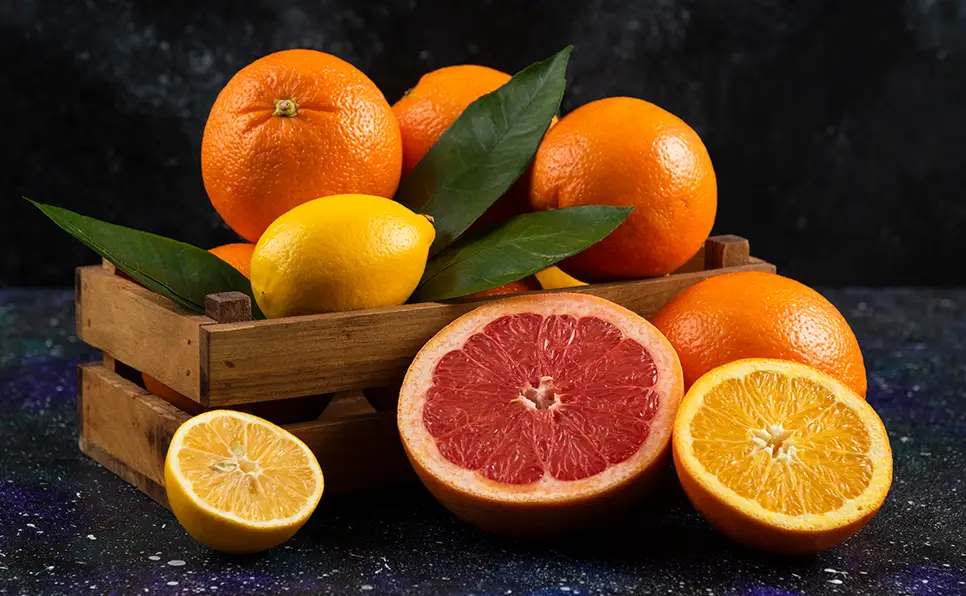
Looking for some of the healthiest citrus fruits? Here is a list of the top 10 citrus fruits and their benefits for you to enjoy.    10 Healthiest Citrus Fruits and their Benefits.   Lemon   Did you know a lemon tree can produce a box (about 600 pounds) of lemons annually? It is one of the healthiest citrus fruits out there. Lemons are bright yellow citrus fruits widely cultivated for their sour, zesty taste, fragrant peel, and juice. Native to Asia, it is often used in cooking, baking, cleaning, and even skincare. Lemons are enriched with vitamin C, antioxidants, and citric acid, which help detoxify the body, improve digestion, and brighten the skin. It has a sour taste and is commonly used in Jewish and Middle Eastern cuisine because of its savory skin and juice.   Lemons can be consumed in many ways, but my favorite is the classic way to drink a chilled lemon soda on a hot summer day. Oh! That sparkling fresh feeling.     Orange   Oranges are the most popular citrus fruits known for their sweet and juicy taste. It is often eaten fresh but can also be used in many recipes, from salads to desserts. Oranges are one of the most popularly consumed citrus fruits worldwide. Oranges have a sweet and slightly sour flavor, making them a versatile ingredient featured in many dishes.     A famous orange recipe is a tangy orange sauce with orange juice, soy sauce, honey, and chili flakes. A popular Chinese-American dish featuring crispy coated chicken and orange chicken.   Tangerines   Tangerines are smaller and sweeter than oranges and are often eaten as a snack. They can also be used in salads or in desserts. One famous recipe that uses tangerines is the ‘Tangerine Sorbet.’ This refreshing dessert is made with tangerine juice, sugar, and water and is perfect for a hot summer day.     Tangerines are small, sweet, and easy-to-peel citrus fruits native to China. They have thin, loose skin that separates easily from the pulp. Tangerines are tangy yet sweet, making them a popular snack or ingredient in salads and desserts.     Blood Orange  Blood oranges are a variant of orange with dark red flesh. Sweet and slightly sour, it is often used in cocktails and as a side dish. A famous recipe using blood oranges is the ‘Blood Orange Margarita.’ Made with tequila, lime juice, and blood orange juice, this cocktail is perfect for a party or a night out.    Blood oranges are orange with distinctive dark red flesh and a sweet, slightly sour flavor. Rich in anthocyanins, it is an antioxidant that gives it its unique color and health benefits. Blood oranges are often used as a side dish in cocktails, desserts, or salads.    Grapefruit     Grapefruits are larger than oranges and have a sour and bitter taste. It is often eaten for breakfast or added to salads. A famous recipe using grapefruit is grapefruit and avocado salad. This refreshing salad features grapefruit chunks, avocado, arugula, and honey-lime dressing.    Native to Barbados, it is often eaten for breakfast or in salads. Grapefruits are rich in vitamin C, potassium, and fiber, which help reduce inflammation, regulate blood pressure, and promote healthy digestion.     Lime      Lime is a small citrus fruit with a sour taste. It is often used in cocktails and Mexican cuisine. A famous recipe using lime is a margarita. This classic cocktail is perfect for a night out with friends and is made with tequila, lime juice, triple sec, and salt, served in a salt-rimmed glass.    Lime is rich in vitamin C, flavonoids, and limonoids, which strengthen the immune system, fight free radicals and prevent cancer. It is often used in cocktails, sauces, marinades, or as a garnish in Mexican and Southeast Asian cuisine.     Kinnow    Kinnow is a tangerine and orange hybrid widely grown in Pakistan and India. It has a sweet and citrusy flavor and is often eaten raw or added to salads. A famous recipe used by Kinnow is Kinnow Jam. This sweet and savory spread is made with Kinnow juice, sugar, and water and is perfect for breakfast toast. Kinnows are rich in vitamin C, fiber, and antioxidants to improve skin health, boost immunity and reduce the risk of chronic disease.    Sweet Lime   Sweet limes are a type of lime that is sweeter than regular limes and are often used in Indian cuisine. One famous recipe that uses sweet lime is Sweet Lime Soda. This refreshing drink features sweet lime juice, soda water, and a pinch of salt.   Sweet limes have thin and smooth skin and juicy pulp inside. They can be eaten as a snack or used in drinks, desserts, or chutneys. Sweet limes are rich in Vitamin C, antioxidants, and minerals, which help improve digestion, boost immunity, and maintain healthy skin.    Clementine   Clementines are a type of tangerine with a sweet, juicy flavor. It is often eaten as a snack or added to salads. A famous recipe using clementines is clementine cake. This delicious cake has clementine peel and juice, almond flour, and eggs.    Clementines are small, seedless citrus fruits that are a hybrid of tangerine and orange. Native to North Africa, it is famous for its sweet and juicy taste. Rich in vitamin C, folic acid, and fiber, it supports heart health, boosts brain function, and regulates blood sugar levels. Clementines have thin skin and are accessible to peel, making them easy to eat as an ingredient in salads and desserts.    Citron     Citron is a large citrus fruit similar to a lemon but with a thicker and rougher skin. It has a tart and acidic taste and is commonly used in Jewish and Middle Eastern cuisine for its fragrant zest and juice. Citron is rich in Vitamin C, flavonoids, and limonoids, which help protect against oxidative stress, boost immunity, and promote liver function.    One famous recipe that uses citron is Etrog Jam, a traditional Jewish spread made with citron fruit, sugar, and water, often served during the holiday of Sukkot.   The bottom line   Citrus fruits are

10 Healthiest Citrus Fruits & their Benefits Read More »

How to maintain fitness with a healthy diet in a busy lifestyle

How to maintain Fitness with healthy diet in a busy lifestyle

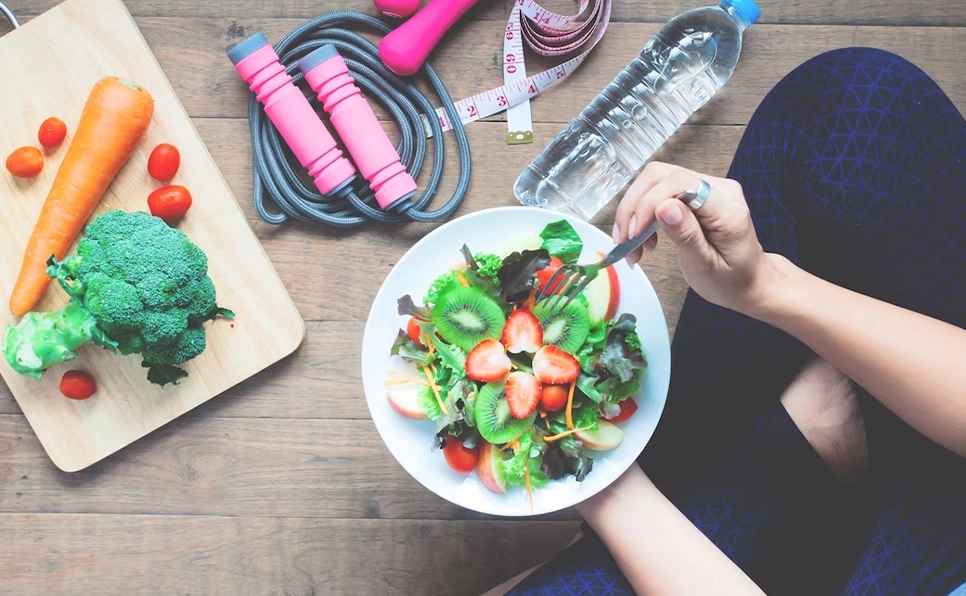
What is Diet? Fitness with healthy diet goes hand in hand, forming the foundation of a balanced and active lifestyle. Regular exercise combined with proper nutrition helps improve overall health, boost energy levels, and maintain a healthy weight. A well-rounded diet, rich in nutrients, complements physical activity by fueling the body, aiding recovery, and supporting long-term wellness. Whether you’re aiming to build muscle, lose weight, or simply improve your health, the right balance of fitness and nutrition is essential for achieving your goals. Healthy eating plan Enhances dairy products with minimal or no fat, fruits, vegetables, and whole grains. Includes fish, beans, eggs, almonds, and lean meats. Limits salt, added sweets, and saturated and trans fats. Controls portion sizes. Why is diet important? By maintaining your daily calorie target for weight loss, a healthy eating plan gives your body the nourishment it needs each day. Maintaining a balanced diet will help reduce your risk of developing heart disease and other illnesses. Let’s jump to some health benefits of staying healthy: Protein: The body needs proteins to function properly. They serve as the building blocks for several bodily components, including the skin, hair, enzymes, cytokines, and antibodies. The most recent study indicates that many of us need extra high-quality protein, particularly as we age, despite the fact that too much protein can be detrimental for those with kidney disease. You are not required to eat more animal products as a result. Your body can acquire all the essential protein it requires by consuming a variety of plant-based sources of protein every day. Fibre: A diet rich in dietary fibre can help you stay regular and lower your risk of diabetes, heart disease, and stroke. Examples of such foods include grains, fruit, vegetables, nuts, and beans. You might also look younger and lose weight as a result. Calcium: Inadequate calcium intake can lead to osteoporosis, as well as anxiety, depression, and sleep issues. No of your age or gender, increasing your intake of foods high in calcium, reducing foods that deplete calcium, and eating enough magnesium and vitamins D and K will all help calcium do its work. Carbohydrates: Carbohydrates are one of your body’s main sources of energy. But the majority should come from complex, unprocessed carbohydrates rather than sweets and refined carbohydrates (vegetables, whole grains, and fruit). You can avoid fast blood sugar spikes, mood swings, and energy dips as well as the buildup of fat, particularly around your waist, by reducing your intake of white bread, pastries, carbs, and sugar. Drink plenty of water: Many of us live life dehydrated, which results in fatigue, poor energy, and headaches. Water helps flush our systems of waste and poisons. While it’s possible to confuse hunger with thirst, drinking plenty of water will also help you choose healthier foods. Sleep hygiene: Although data indicates that most Americans find it difficult to get the kind of sleep they require, sleep plays a critical role in both physical and mental health. The lack of coverage of this subject in health and wellness blogs leads readers to believe that fitness and nutrition are of utmost importance. Fat: All fats are not created equal. While bad fats can destroy your diet and increase your risk of getting certain diseases, good fats shield your heart and brain from damage. Indeed, good fats like omega-3s are essential for both your body’s physical and emotional wellbeing. You may feel better, be healthier, and even lose weight if you increase the intake of healthy fats in your diet. Try yoga: As you practise yoga, your nervous system relaxes and you are able to exit the fight-or-flight mode. Yoga can be as simple as breathing while sitting. You can find serenity at that time because you are present, conscious, and aware of everything. The positions aid in improving balance while boosting strength and flexibility. Both men and women can gain from these crucial areas, which are especially important for elderly people. In short, we need to maintain a healthy diet that includes fruit, vegetables, legumes (e.g., lentils and beans), nuts, and whole grains (e.g., unprocessed maize, millet, oats, wheat, and brown rice). At least 400 g (i.e., five portions) of fruit and vegetables per day, excluding potatoes, sweet potatoes, cassava, and other starchy roots; with this, we also must exercise and maintain physical and mental health. Conclusion Eating a healthy, balanced diet accompanied by regular exercise is essential for maintaining physical and mental health and well-being. Healthier lifestyles not only help avoid excess weight gain or maintain weight loss but they are also linked to better sleep and mood.

How to maintain Fitness with healthy diet in a busy lifestyle Read More »

How to inculcate sports and physical activity

How to inculcate sports and physical activity?

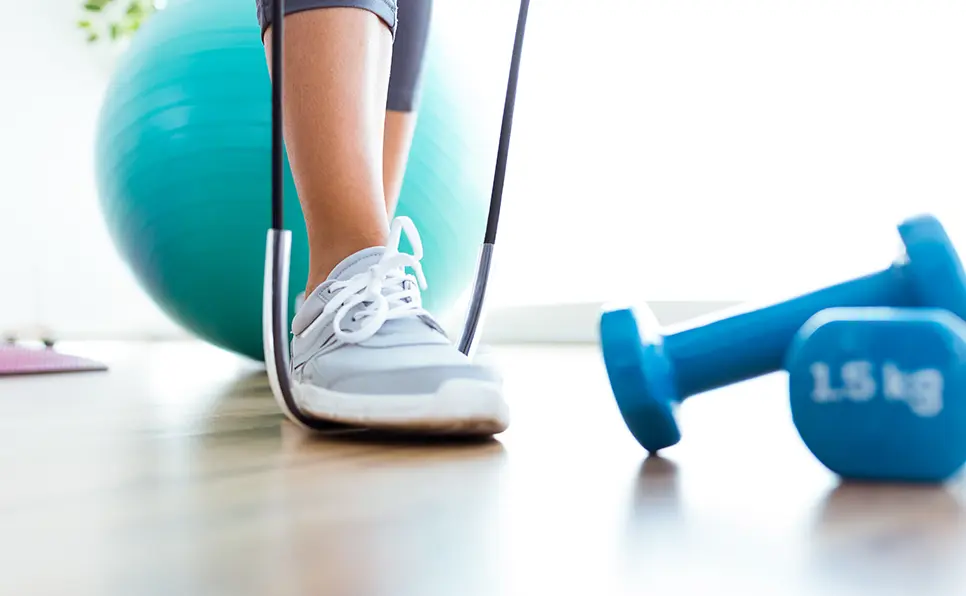
Introduction Incorporating sports and physical activity into your daily routine might seem daunting, but with the right approach, it becomes easier and more enjoyable. The benefits of staying active are undeniable—from improved health and fitness to reduced stress and enhanced mood. Whether you’re a beginner or someone looking to get back on track, it’s essential to know how to create lasting habits that support an active lifestyle. In this article, we’ll explore practical tips and strategies to help you inculcate sports and physical activity into your daily life, making fitness an enjoyable and integral part of your routine. Start with Small, Achievable Goals One of the most effective ways to inculcate sports and physical activity into your life is to start small. Rather than aiming for a complete overhaul of your routine, set manageable goals that you can realistically achieve. For instance, you might decide to take a 10-minute walk every day or try a short workout routine. Once these small goals become habits, you can gradually increase the intensity or duration of your physical activity. Why small goals matter: They are less intimidating and easier to stick with. They create a sense of achievement, which builds motivation. Gradual progression leads to long-term success without feeling overwhelmed. Make Sports Fun and Social Sports and physical activity are often more enjoyable when shared with others. Whether it’s joining a recreational league, playing pick-up games with friends, or simply involving family members in outdoor activities, having a social component can make fitness feel like a fun, interactive experience. When you have a partner or group to exercise with, it becomes less about “working out” and more about having a good time together. Tips for making sports social: Join a local sports league (basketball, soccer, volleyball). Organize weekly activity sessions with friends or family (e.g., tennis, frisbee). Try group fitness classes, such as yoga or spin, where you can meet like-minded people. The added social aspect helps to keep you accountable, creating a community that motivates you to stay consistent. Integrate Physical Activity into Daily Tasks Sometimes, it’s not about scheduling extra time for exercise—it’s about fitting activity into your daily life. Finding opportunities to move throughout the day can help you stay active without needing a dedicated workout session. Try parking farther from your destination, taking the stairs instead of the elevator, or walking or biking instead of driving for short errands. These little changes add up and contribute to your overall physical activity levels. Examples of integrating movement: Walk or bike to work or school if possible. Take the stairs rather than the elevator. Walk around while talking on the phone. Do light stretches or quick exercises during TV commercial breaks. The goal is to create an active lifestyle where exercise is naturally woven into your daily routine. Set a Routine and Stick to It Consistency is key when it comes to inculcating sports and physical activity into your life. Having a regular schedule that includes designated times for physical activity will help reinforce the habit. Choose times that work for you—whether it’s a morning jog, an evening yoga session, or weekend basketball games—and commit to them. Tips for sticking to a routine: Plan your workouts like appointments—set a time and treat it as non-negotiable. Use fitness apps or calendars to track your progress. Start with easy, low-commitment activities, then gradually increase the challenge. Plan variety in your routine to keep things interesting and prevent boredom. A set routine ensures that sports and physical activity become a regular part of your lifestyle, making it harder to skip or forget about your workouts. Find Activities You Enjoy The best way to ensure that sports and physical activity become a lasting habit is to engage in activities you genuinely enjoy. If you dread going to the gym or running on a treadmill, you’ll likely struggle to stay motivated. Instead, try exploring different sports and activities until you find something you look forward to doing. Whether it’s swimming, hiking, tennis, or even dancing, the key is to make it fun. Suggestions for finding enjoyable activities: Try new sports—such as rock climbing, kayaking, or badminton. Join a recreational sports league for fun and competition. Explore outdoor activities like hiking, cycling, or even just walking in nature. Consider fitness apps or online classes for variety in your workouts. If you love what you’re doing, staying active will feel less like a chore and more like a fulfilling part of your day. Set Long-Term Health and Fitness Goals Incorporating sports and physical activity into your life is not just about short-term results—it’s about creating lasting habits that support your long-term health and fitness. Setting clear, achievable goals can help keep you focused and motivated. Whether your goal is to run a 5K, improve your strength, or simply increase your daily step count, having a target can give you direction and purpose. How to set long-term fitness goals: Define a clear goal (e.g., “I want to walk 10,000 steps daily”). Break the goal down into smaller, measurable steps (e.g., “I will start by walking 3,000 steps a day”). Celebrate progress, no matter how small, to stay motivated. Adjust your goals as needed to keep challenging yourself. Tracking your progress toward your fitness goals not only helps you stay on track but also boosts your confidence as you witness your improvement. Make Physical Activity Part of Your Lifestyle, Not a “Task” Inculcating sports and physical activity is about adopting a mindset that prioritizes movement and health as part of your everyday lifestyle. Rather than viewing exercise as a task or obligation, try to embrace it as something you get to do for your body and mind. When physical activity becomes a natural part of your routine, it’s easier to stick with it. Mindset shifts for making physical activity a lifestyle: Focus on the enjoyment and benefits of physical activity, rather than seeing it as a chore.\ Make time for sports activities just like you would any other enjoyable

How to inculcate sports and physical activity? Read More »

Sports and Physical Activity Benefits

Sports and Physical Activity Benefits

You know that getting regular physical activity is important to stay healthy. But did you know that sports-related activities can do more than just help you burn calories and stay fit? Not only do sports provide an effective mental outlet for managing stress, but they can also help build discipline and foster strong interpersonal relationships. Here are just a few of the many benefits that come from participating in sports: Improved physical fitness: An active lifestyle will not only lead to improved cardiovascular endurance, but also increased muscle strength, flexibility, and coordination. Boosted mental health: From improving self-confidence to lowering stress levels, taking part in sports activities can make a substantial impact on your overall mental health. Social connection: Joining a sports team or league helps build camaraderie and foster meaningful relationships with others. Fun: Above all else, engaging in sports is downright enjoyable! Recreational Sports Leagues Maybe you’re the kind of person who loves to have both a team and a goal. That’s where recreational sports leagues come in—they provide structure and competition, all while letting you enjoy the camaraderie of being part of a team. Whether you’re into basketball, baseball, soccer, volleyball or any other sport, there are likely plenty of local recreational leagues to join. What kind of commitment is necessary? It depends on the league, but you’ll usually be expected to show up for practices as well as games. You may also have an expectation to contribute financially in order to cover equipment costs or rental fees. But if this sounds like something that might be right up your alley, then definitely look into finding a local recreational sports league in your area—you won’t be disappointed! Individual Sports Activities As you take your first steps into the world of sports, why not consider individual activities? As the name implies, individual activities are sports where you do not need to rely on others, making them a great way to get moving. Running Running is a great way to stay fit and kick things off. All you need is some comfortable shoes and clothing and you’re good to go! Start small and build up gradually at your own pace—you don’t want to put too much strain on your body right away. Biking Biking is another great way to get out and explore the outdoors while keeping active. Look for trails in your area or join an organized group ride. You don’t need a pricey bike or special equipment either; all it takes is practice and discipline. Swimming Swimming is a good way to exercise your whole body as it engages both upper and lower body muscles as well as core muscles. Start off by joining classes or investing in one-on-one lessons to get the basics down, then you can practice in pools or open water locations whenever you want! Outdoor Team Sports If you’re a team-oriented person, there’s nothing like a good ol’ outdoor sport to get the sweat going. Think flag football, softball, or maybe even street hockey. Who knows — you could start your own local league! And don’t forget to grab your buds and head down to the courts for pick-up games of basketball, volleyball, or soccer! Gather Your Crew Gathering your mates for a game of outdoor sports is easy. Just set up the date, time and location via text message or email. And if it’s nice enough out, take things outdoors for an added dose of Vitamin D! Equipment Needed Most outdoor team sports simply require good athletic shoes and clothes; however, some may require additional equipment such as bats and balls (for softball and baseball), flags (for flag football), goals (for soccer), nets and poles (for volleyball) or sticks and pucks (for street hockey). If you don’t have what you need, check out local sporting goods stores for rental options. Stay Safe Sometimes physical contact is unavoidable in team sports; however, it’s important to ensure everyone is playing safely. When playing with friends, talk about expectations before the game begins so that everyone understands what types of physical contact are allowed during play in order to prevent injuries. Before heading outdoors make sure everyone is properly hydrated and fueled up with nutritious snacks. Exploring New Sports to Try Have you ever wanted to try a new sport that you’ve never tried before? Well, now’s the time! Whether you want to learn how to kick a soccer ball, shoot a basketball hoop, or play a game of tennis – there’s something fun and active out there for everyone. Here are some ideas to get started: Soccer It doesn’t matter if it’s the biggest tournament of the year or just playing pick-up at your local park. Soccer is one of the world’s most popular sports and it is still growing in popularity. Plus, all you need is a ball and some friends or family to get started! Tennis Enjoy playing with a partner or on your own? Tennis is great for both options and can be played outdoors or indoors. Use it as an opportunity for cross-training too – running around the court increases agility and strength, not to mention it’s super fun! Basketball It doesn’t take much equipment to play basketball – sometimes all you need is one ball per group of people. Find an outdoor court near your home, or go indoors and play at your local gym. Just remember to stay competitive but also stay safe. So what are you waiting for? Get out there, explore some new sports and get moving! Equipment Needed for Different Sports When you’re looking to get moving and take part in some sporting activities, there are a few pieces of equipment that each sport requires. Here’s a brief list of what you need depending on your choice: Basketball A basketball hoop and ball — if you want to play outdoors without paying for your own hoop, you can always reach out to local courts or playgrounds that offer hoops. If playing indoors, look for

Sports and Physical Activity Benefits Read More »