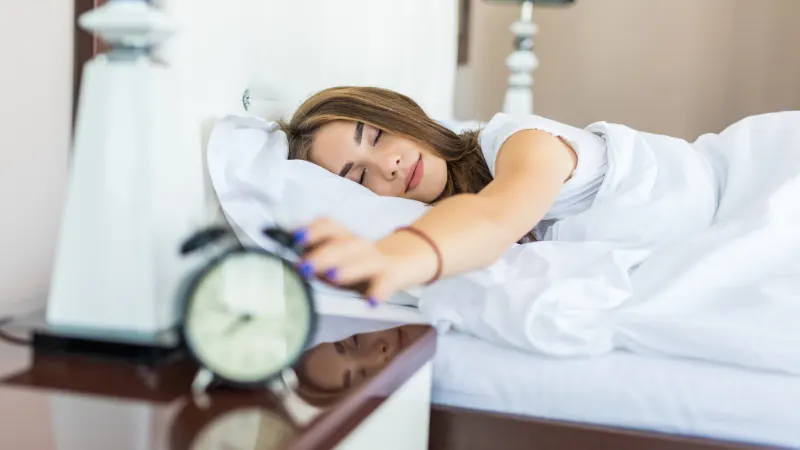
You’ve probably heard people talk about beauty sleep. It’s not just a trendy phrase. Sleep is literally your body’s most powerful restorative tool. From glowing skin to a stronger immune system, the quality of your rest affects every part of your health.
We all know that a lack of sleep can make us feel drained. But here’s something you may not realize: poor sleep also shows up on your skin and can even make certain skin conditions worse. Sleep is more than just about waking up feeling refreshed. It is a repair cycle that keeps your skin, body, and mind functioning at their best.
In this blog, we’ll explore the science behind how sleep impacts skin quality, aging, and overall health, and why it deserves a spot at the top of your self-care routine.
Why Sleep Matters for Your Skin
When you get a full night’s sleep, your skin doesn’t just rest, it works overtime to heal and restore itself.
Better blood flow: As you rest, your circulation boosts, supplying vital oxygen and nutrients that support skin recovery from UV rays and environmental damage.
Stronger skin barrier: Sleep strengthens your outer protective layer, locking in moisture and defending against irritants. Studies show that people who are well-rested have up to 30 percent better recovery of their skin barrier after disruption and experience less water loss. Translation: hydrated, happier skin.
Slower signs of aging: At night, your body produces more collagen and elastin, proteins that keep skin firm and youthful. Quality sleep reduces wrinkles, fine lines, and sagging over time. Think of it as your most affordable anti-aging treatment.
The Science of Sleep and Skin Renewal
This is what goes on in your body while you sleep:
Cell repair and renewal: Deep sleep helps repair daily damage caused by stress and environmental factors.
Collagen boost: Most collagen production happens overnight, which keeps skin smooth and firm.
Hormone balance: Poor sleep disrupts cortisol and melatonin levels. High cortisol levels can fuel stress, boost oiliness, and worsen acne.
Detox mode: While you’re resting, your body clears toxins, keeping both brain and skin fresher.
This explains why even one sleepless night can leave you looking and feeling off the next day.
Sleep, Immunity, and Skin Conditions
Sleep does more than recharge your energy; it also keeps your body’s defenses strong. When you don’t sleep well, your immune system weakens, and that can make skin issues harder to manage.
Why it matters: Poor sleep can cause more inflammation in the body, which often shows up on the skin. That’s why conditions like eczema or psoriasis can flare up when you’re sleep-deprived. Psoriasis, for example, is a condition where the body mistakenly attacks its own skin cells, leading to red, itchy, scaly patches that usually appear on areas like the elbows, knees, scalp, or torso.
Your body’s memory: Sleep also helps your immune system “remember” how to protect you. Without enough rest, problems like psoriasis or vitiligo may come back more often. Vitiligo appears as white patches on the skin and can even affect your hair, the inside of your mouth, or your ears.
How Poor Sleep Worsens Skin Conditions
Acne: Sleep loss increases oil and cholesterol production, fueling breakouts.
Psoriasis: Lack of rest heightens inflammation and can raise cardiovascular risks for those with psoriasis.
Eczema: With less rest, your skin barrier weakens, making dryness and irritation worse.
Why Lack of Sleep Affects Your Skin So Much
Ever noticed how tired your skin looks when you don’t sleep well? There are two big reasons behind that:
Hormone chaos: When you skimp on sleep, it throws off your natural hormones. Stress hormones (like cortisol) shoot up, which weakens your skin’s protective barrier, makes breakouts more likely, and even speeds up signs of aging.
Extra stress on your skin: Poor sleep also creates more “free radicals” in the body, tiny troublemakers that damage skin cells. This slows down healing, dulls your glow, and brings on wrinkles or flare-ups faster.
Beauty Sleep is Real
Yes, beauty sleep actually exists. Here’s why dermatologists swear by it:
- Overnight hydration boost keeps skin soft and plump.
- Improved blood flow gives you that natural, radiant, healthy glow.
- Collagen repair keeps your skin youthful.
- Hair growth support since follicles get better nutrient supply when you rest well.
Sleep is hands down the cheapest and most effective beauty treatment you’ll ever find.
How to Improve Your Sleep for Better Skin and Health
Protecting your skin through better sleep doesn’t need to be complicated. Tweaking lifestyle slightly can go a long way:
- Ensure you sleep well for 7 to 9 hours daily.
- Stick to a regular sleep routine by going to bed and waking up at the same time daily (yes, even on weekends).
- Make your room cool, dark, and gadget-free for deeper rest.
- Switching to silk pillowcases is gentler on your skin and helps reduce irritation.
- Warm red-toned evening light at night supports your body’s natural sleep hormone, melatonin.
- Just a few minutes outside helps reset your body clock and keeps your sleep cycle on track.
Your skin absorbs treatments better at night. Apply retinoids or serums before bed for maximum results.
Final Thoughts
When you rest, your skin is busy healing itself. Think of sleep as your body’s natural beauty treatment; it hydrates, repairs, strengthens, and even shields against long-term damage.
So the next time you’re tempted to sacrifice rest for late-night scrolling or “just one more episode,” remember this: good sleep equals glowing skin, stronger immunity, and a healthier you.
Treat sleep like your nightly skincare ritual, and you’ll see the results not just on your face, but in your overall health.
FAQs
Q1. How many hours of sleep do I need for glowing skin?
Ans. Most adults need 7 to 9 hours for their skin and body to fully repair.
Q2. Can naps make up for poor sleep?
Ans. Short naps can refresh you but don’t replace deep overnight sleep.
Q3. Does sleeping with makeup affect skin more if I’m already tired?
Ans. Yes. Poor sleep slows healing, and makeup clogs pores, making breakouts worse.
Is beauty sleep real or just hype?
It’s real. Science shows good sleep improves hydration, elasticity, and overall skin appearance.