

Why these days it’s a Turning Point for Nutrition & Healthcare
Eating well has always been key to staying healthy, but it’s become the main focus of healthcare. Now, doctors, nutritionists, and health experts treat food like medicine, not just as a personal preference.
From hospital meals designed to speed up recovery to local programs showing people how to prevent disease with better eating, nutrition is now a regular part of healthcare. The focus is shifting from “treating illness” to “building health” and that starts on our plates.
This guide covers the most important nutrition principles, Ways to eat with your health in mind and simple steps you can start to keep yourself feeling good for the long run
1. The Core of Healthy Nutrition; Timeless but Evolving
Even the basics remain the same; balanced nutrition is your body’s best defense against disease. It keeps your immune system strong, your energy steady, and your mind sharp, making it one of the most powerful ways to protect your health. And that balance comes down to the nutrients in your food.
There are two main types: macronutrients and micronutrients.
Macronutrients have carbohydrates, proteins, and fats that supply your body with energy (calories) and serve as the essential building blocks for muscle, & tissues.
Micronutrients, on the other hand, are the vitamins and minerals your body needs in much smaller amounts; but they’re just as important. They are categorized into four main groups: water-soluble, trace minerals, vitamins, fat-soluble vitamins, and microminerals.
Macronutrients That Really Count
Protein – Think of protein as your body’s repair crew. It helps fix muscles, keeps your immune system strong, and maintains healthy tissues.
Why it matters for health: It’s key for healing wounds, bouncing back after surgery, and preventing muscle loss as we age.
Where to get it : Lean meats, fish, beans, lentils, fortified plant-based proteins, and even medical-grade protein shakes when needed.
Carbs – Your body’s main fuel, especially for your brain and muscles.
Why it matters for health: Choosing complex carbs; like whole grains and veggies, it helps keep blood sugar steady and lowers the risk of diabetes.
Healthy Fats – The good guys of the fat world, like omega-3s, olive oil, nuts, and seeds.
Why it matters for health: They support brain health and help fight inflammation, which is a big factor in many chronic illnesses.
Micronutrients
But the little things matter just as much. Your body also needs micronutrients like vitamins and minerals in smaller amounts, but they’re just as vital. Even in developed countries, shortages of vitamin D, B12, iron, and magnesium are still common, and they can affect everything from your mood to your energy levels.
That’s why fortified foods and supplements aren’t just a wellness trend they’re part of smart daily nutrition. Think of it as closing tiny health gaps before they turn into big health problems.
And let’s not forget hydration. It’s more than just a “remember to drink water” reminder; it’s treated as a real health marker. Staying hydrated helps your kidneys, keeps your mind clear, and can even speed up recovery when you’re unwell.
2. Key Nutrition Trends Transforming Healthcare
Nutrition isn’t just about what’s on our plates anymore; it’s becoming a highly personalized and powerful tool for modern healthcare. We’re moving away from the old, one-size-fits-all diet advice and diving into a future where our health is guided by our unique biology.
This isn’t just a trend; it’s a revolution that’s changing how we think about wellness, with data, technology, and a holistic perspective leading the charge. Get ready to ditch generic diet plans and embrace a future where your diet is as unique as you are.
Here’s what’s cooking in the world of nutrition and health:
- Personalized Nutrition: We’ve moved past the old “good food vs. bad food” mindset. We’re now using genomic data, microbiome analysis, and even wearable tech to create very-specific diet plans. Your DNA can now help a dietitian determine how your body responds to fats or carbs, and gut health analysis can pinpoint the right prebiotics and probiotics to improve your digestion and immunity. This science-backed approach offers a more effective path to achieving health goals, whether it’s weight management or managing a chronic condition.
- The Gut-Brain Connection: The link between our gut health and mental well-being is no longer a fringe theory; it’s a key focus in nutrition. We’re seeing more people embrace fermented foods like kimchi and kombucha and supplement with prebiotics and postbiotics.
- Probiotic-rich foods (yogurt, kefir, kimchi, kombucha)
- Prebiotic fibers (garlic, onions, oats)
- Postbiotic supplements in clinical use
This trend highlights the gut as a “second brain,” showing that what we eat can directly impact on our mood, stress levels, and cognitive function.
- Food as Medicine: This isn’t just a saying; We’re not just playing defense anymore; this is a whole new offense against any disease. Instead of only treating symptoms, healthcare professionals are using targeted nutritional interventions to manage and even prevent chronic conditions. Whether it’s an anti-inflammatory diet to reduce joint pain or specific micronutrients to support brain health, nutrition is becoming an essential part of the medical toolkit. This proactive mindset is empowering people to take control of their long-term health.
3. Nutrition Across Life Stages & Healthcare Needs
Early Childhood (Ages 0–4)
Focus: Laying the foundation for growth, immunity, and healthy eating habits.
Key nutrients: Healthy fats for brain growth, calcium for bones, and iron for energy.
Tip: Introduce a variety of fresh, home-cooked meals early on so kids develop a taste for real food over processed snacks.
Children & Teens (Ages 5–18)
Focus: Brain development, immunity, healthy weight.
Key nutrients: Omega-3s, calcium, iron, quality proteins.
Tip: Pack school lunches with wholesome, home-prepared foods instead of relying on cafeteria fast food or packaged snacks.
Adults (Ages 19–49)
Focus: Energy resilience, heart health, stress reduction.
Key nutrients: Magnesium, potassium, heart-healthy fats.
Tip: Cooking at home lets you control ingredients, reduce hidden sugars and salts, and avoid the long-term health risks of frequent fast food.
Seniors (Ages 50+)
Focus: Muscle preservation, bone density, cognitive function.
Key nutrients: Vitamin D, B12, protein, calcium.
Tip: Simple, home-cooked meals with fresh produce and lean proteins can be easier to digest and more nutrient-dense than processed convenience foods.
4. Smart Eating Plans for Common Health Issues
- For a Healthy Heart – The Mediterranean diet is still the top pick. Think of plenty of olive oil, fresh fatty fish, leafy greens, and a good handful of nuts.
- For Managing Diabetes – Focus on low-glycemic foods and stick to a regular eating schedule to help keep blood sugar steady.
- For Autoimmune & Inflammatory Conditions – Anti-inflammatory eating is the way to go, with foods like turmeric, berries, and nutrient-packed cruciferous veggies (broccoli, cauliflower, Brussels sprouts).
- For Digestive Health – Low-FODMAP plans, probiotic-rich foods, and high-fiber diets have become standard tools for supporting your gut and easing GI issues.
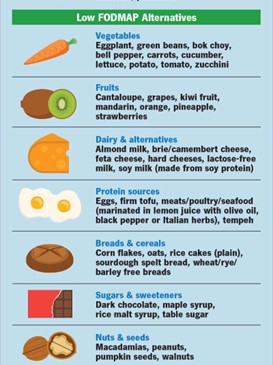
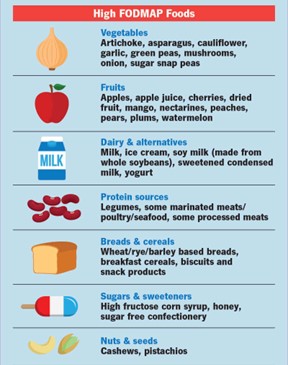
Image Source: Google
5. Doctor-Approved Eating Habits
- Stick to your prescribed nutrition plan – If your doctor recommends Medical Nutrition Therapy (MNT), follow it. The good news? Many insurance plans now cover it.
- Go local and seasonal – Produce that’s grown nearby and in season often packs more nutrients and tastes better too.
- Cook in batches – Meal prepping makes it easier to skip the ultra-processed stuff when life gets busy.
- Eat mindfully – Slow down, savor your food, and listen to your body. It can help your digestion and keep you from overeating.
6. The Future of Nutrition in Healthcare
Healthcare is having a major glow-up and nutrition is the main character. We’ve ditched the outdated “one-size-fits-all” diet advice and leveled up to personalized health plans that hit different, just like your custom Spotify playlist.
With the rise of health tech, cutting-edge nutrition research, and a deeper understanding of how food impacts health, we’re seeing a shift toward smart nutrition that’s more customized and connected to your overall wellness than ever before.
Science is spilling the tea: what you eat can boost immunity, prevent chronic disease, speed up recovery, and level up your daily energy and mental health. This isn’t just “eating healthy” anymore; it’s food as medicine, and it’s the future. So what’s next? Let’s break down the hottest nutrition trends redefining healthcare and wellness.
1. Personalized Nutrition: Your Health, Your Menu
This is the superstar trend of modern healthcare no more generic diet rules. Instead, your nutrition plan is based on your unique biology, lifestyle, and even your gut bacteria.
- Nutrigenomics – Scientists are now looking at how your genes interact with nutrients. By reading your genetic profile, healthcare providers can see if you’re prone to certain conditions or process nutrients in a unique way and then tailor your diet to fit.
- Biometric Data – Wearables, smart scales, and continuous glucose monitors can track your health 24/7. If your blood sugar spikes after lunch or your energy dips mid-afternoon, your plan can be adjusted in real-time.
- Microbiome Analysis – Your gut is basically its own ecosystem. By analyzing your gut bacteria, providers can recommend foods, prebiotics, or probiotics that help you feel and function your best.
2. Technology & AI: Your Digital Nutrition Coach
Technology is taking nutrition to a whole new level.
- AI & Machine Learning – These tools can crunch your genetic data, health records, and wearable data to create truly personal diet plans.
- Telehealth & Apps – Instead of waiting for your next in-person appointment, you can get real-time feedback through video calls, mobile apps, and online health portals.
- Smart Kitchen Devices – Imagine a kitchen scale that automatically logs the nutritional info of what you’re eating and shares it with your healthcare provider. That’s already happening.
3. The “Food as Medicine” Movement
The idea here is simple but powerful: food isn’t just fuel; it’s part of your treatment plan.
- Medically Tailored Meals – Patients with conditions like heart disease or diabetes are now getting “food prescriptions” ready-to-eat meals designed to support recovery and long-term health.
- Integration into Healthcare Systems – Nutrition is becoming a standard part of healthcare, with doctors and hospitals making dietary assessments and nutrition counseling routine.
4. Dietitians 2.0: The Health Team MVPs
Registered Dietitian Nutritionists (RDNs) are no longer just “the people who tell you to eat more vegetables.” They’re becoming core members of the healthcare team, translating complex science into food you actually want to eat.
- Collaborative Care – Dietitians are teaming up with doctors, nurses, and specialists to make nutrition a real part of medical treatment.
- Specialized Roles – From pediatric nutrition to cancer care, RDNs are getting even more specialized to meet specific patient needs.
- Education Powerhouses – They’re also training other healthcare professionals to better understand the role of nutrition in disease prevention and recovery.
Conclusion
In Nutrition trend, food isn’t just fuel, it’s healthcare on a plate. From DNA-based meal plans to gut-friendly foods that lift your mood, nutrition is now the real MVP in keeping us strong, sharp, and illness-free. We’ve swapped one-size-fits-all diets for science-backed, personalized eating that works with our bodies, not against them.
And let’s not forget the power of home-cooked meals rich in fresh, wholesome ingredients — they remain one of the simplest, most effective ways to ensure your food is packed with nutrients and free from unnecessary additives. Each plate you serve is an opportunity to nourish, recharge, and safeguard your health; so, choose wisely.
But let’s be real: nothing beats a home-cooked meal. Whipping up something with fresh, wholesome ingredients is the ultimate way to stay energized and protect your health. Every plate is a chance to nourish, recharge, and safeguard your future. So, choose wisely.
FAQ’s
- What is full nutrition?
Full nutrition is all about fueling your body with every nutrient it needs, in the right balance, so it can perform at its peak.
It’s not just about eating enough food; it’s about eating the right mix of:
- Macronutrients – the big energy providers:
- Carbohydrates for fuel (whole grains, fruits, vegetables).
- Proteins for building and repairing (meat, fish, beans, lentils, dairy).
- Healthy fats nourish your brain and help keep your hormones in balance. (like those from nuts, seeds, avocado, and olive oil).
- Micronutrients – the small but mighty essentials:
- Vitamins (like A, C, D, B12) for immunity, growth, and cell repair.
- Minerals (like calcium, iron, magnesium) for strong bones, blood health, and nerve function.
- Water – often forgotten, but key for digestion, circulation, and temperature control.
- What is personalized nutrition and how does it work?
Personalized nutrition customizes your diet based on your individual biology. It uses tools like DNA testing (nutrigenomics), gut microbiome analysis, and wearable health tech to determine how your body responds to different foods. This allows for a diet that’s more effective for your specific health goals, whether that’s managing weight, improving digestion, or preventing chronic conditions.
- How does gut health affect overall well-being?
Your gut is often called your “second brain” because it’s closely linked to your mood, immune system, and energy levels. A balanced gut microbiome supports better digestion, reduces inflammation, and even helps regulate mental health. Foods rich in probiotics (yogurt, kefir, kimchi), prebiotics (garlic, onions, oats), and postbiotics can all support gut health
- How is technology shaping the future of nutrition?
AI-powered meal planning, wearable devices, smart kitchen tools, and telehealth are transforming how we eat. They allow real-time tracking of health markers like blood sugar and hydration, enabling instant adjustments to diet plans. This tech-driven approach makes nutrition more accessible, personalized, and effective than ever.