
5 Leading Web 3.0 Technology trending
0
0


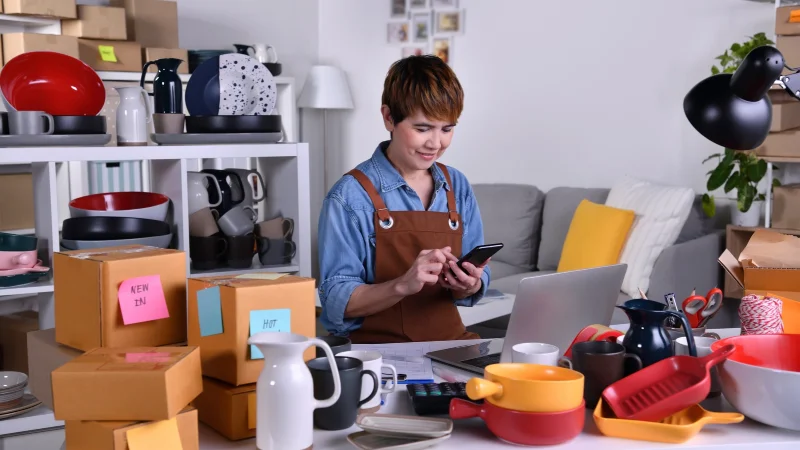
The best dropshipping products to sell right now are not necessarily the ones going viral. A product can attract attention and still lose money after shipping, advertising, returns, and customer support. A stronger starting point is a practical item with clear demand, an understandable use case, dependable supply, and enough contribution margin to withstand testing.
Shopify’s 2026 product research identifies categories including kitchen and dining, home décor, pet supplies, office products, and phone accessories as areas sellers investigate. Its April 2026 analysis of popular U.S. merchant categories also includes shirts, bedding, and arts-and-crafts materials. These are signals for research, not proof that any individual item will be profitable in your store. Sources: Shopify dropshipping research Shopify trending products .
Useful product candidates include kitchen organizers, reusable drinkware accessories, pet grooming tools, desk organizers, cable management kits, travel packing cubes, simple phone accessories, pillow covers, and craft storage items. These are products to evaluate, not verified winners. Choose a niche with manageable shipping, limited safety risk, and suppliers you can test personally.
| Product candidate | Customer problem | What to verify before listing |
| Drawer organizers | Cluttered kitchens | Material quality, dimensions |
| Water-bottle slings | Carrying large bottles | Fit, seams, durability |
| Pet hair-removal brushes | Fur on fabrics | Surface compatibility, claims |
| Cable-management clips | Messy desks | Adhesive performance |
| Packing cubes | Luggage organization | Zippers, sizing, fabric |
| Desk mats | Workspace comfort | Materials, packaging |
| Phone stands | Hands-free viewing | Stability, device compatibility |
| Cushion covers | Easy room refresh | Fabric, color consistency |
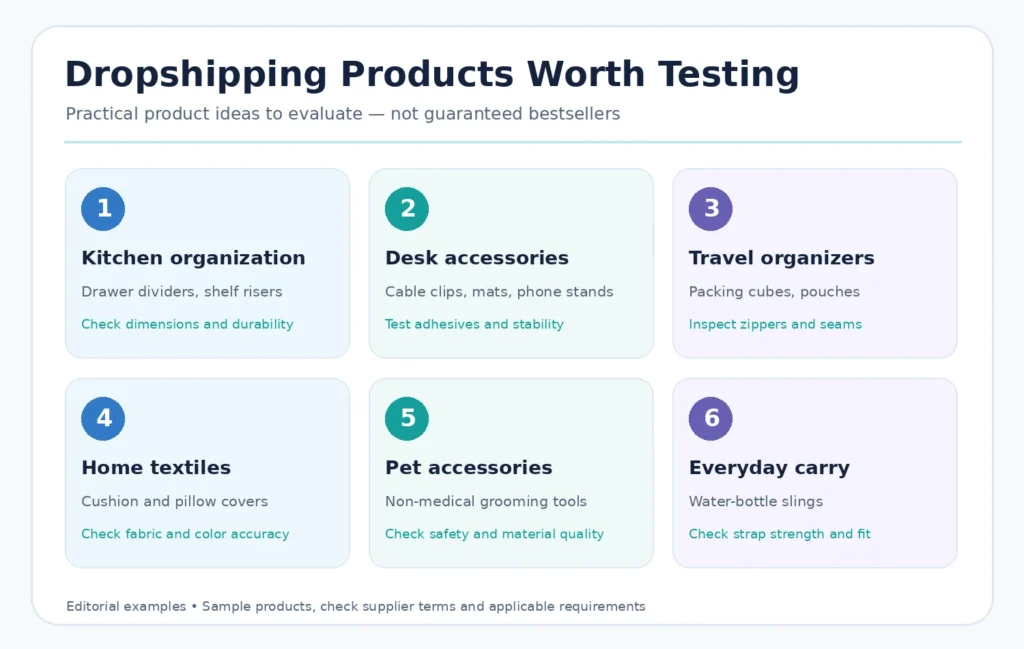
These products are straightforward to demonstrate in a short video and easy for shoppers to understand. A drawer divider has an obvious before-and-after effect. A cable organizer addresses a familiar annoyance. That makes them reasonable testing candidates, but sellers must still evaluate quality, size, packaging, and refund rates.
Look for adjustable dividers, shelf risers, or countertop storage items with clear dimensions. Show them in real spaces and disclose what does not fit. Avoid glass or fragile constructions until you know a supplier can protect items during shipping.
Accessory items may be easier to ship than large containers. Check straps, clasps, fit across bottle sizes, and color consistency. Do not imply food-contact compliance for any item without valid documentation.
Textile accessories let shoppers refresh a room without replacing large furniture. But color variation, fabric feel, and inaccurate measurements can drive returns. Order samples and photograph the actual item you intend to sell.
Non-ingestible pet accessories, such as grooming brushes, travel bowls, leash organizers, or waste-bag holders, may be easier to assess than food, supplements, or medical products. Safety still matters: check materials, choking hazards, fit, and accurate product descriptions. Do not promise health outcomes from basic accessories.
A simple example is a reusable pet-hair remover. Test it on multiple fabrics and show which surfaces it works on—and which it does not. An honest demonstration may convert fewer impulse clicks, but it helps set expectations and can reduce avoidable complaints.
Desk mats, cable clips, travel pouches, and basic non-powered phone stands address practical everyday needs. They are often easier to explain than novelty gadgets. However, shoppers can compare prices across many retailers, so differentiation needs to come from design, bundles, support, or a specific audience.
Combine compatible non-electrical items, such as cable clips, a desk mat, and a pen tray. Bundles can increase order value, but test whether combined shipping weight and packaging erase the benefit.
Travel organizers are a strong use-case category because you can show packed-versus-unpacked comparisons. Order different samples, check zip reliability, and photograph real capacities. Avoid invented claims about compression percentages.
Compatibility changes quickly as new devices arrive. Put supported dimensions and models directly in the listing and verify them against a sample. Avoid chargers, batteries, and electrical accessories until supplier documentation and compliance requirements are thoroughly checked.
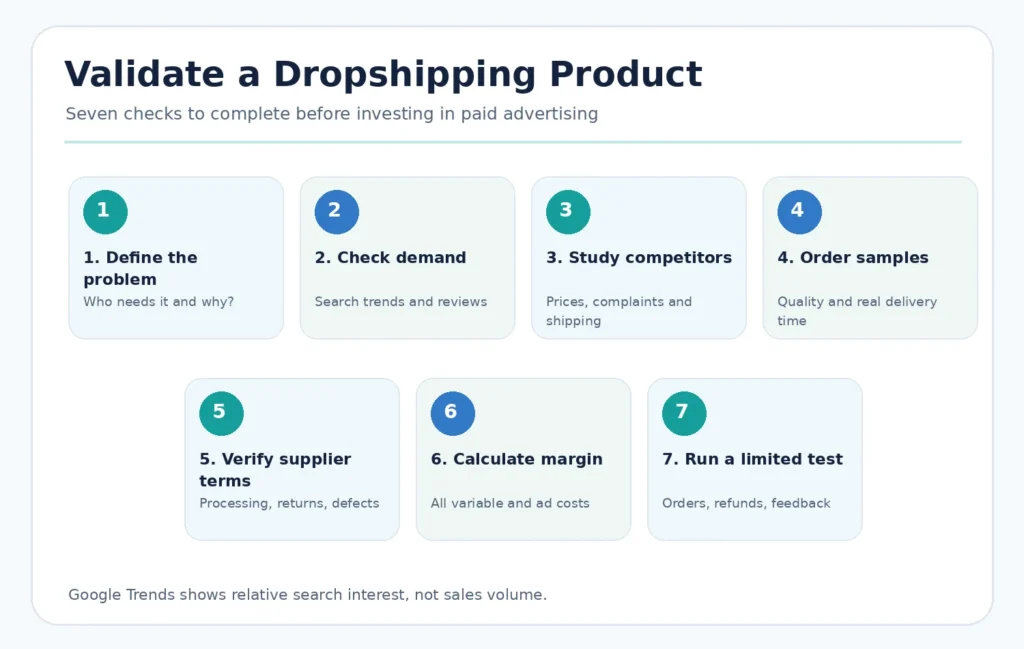
Product research works best as a sequence of small, evidence-based decisions. Check demand, assess competitors, test the supplier, and estimate margins before launching paid campaigns. Google Trends can show relative search interest, but it does not report sales volume. A product’s trend line is only one input.
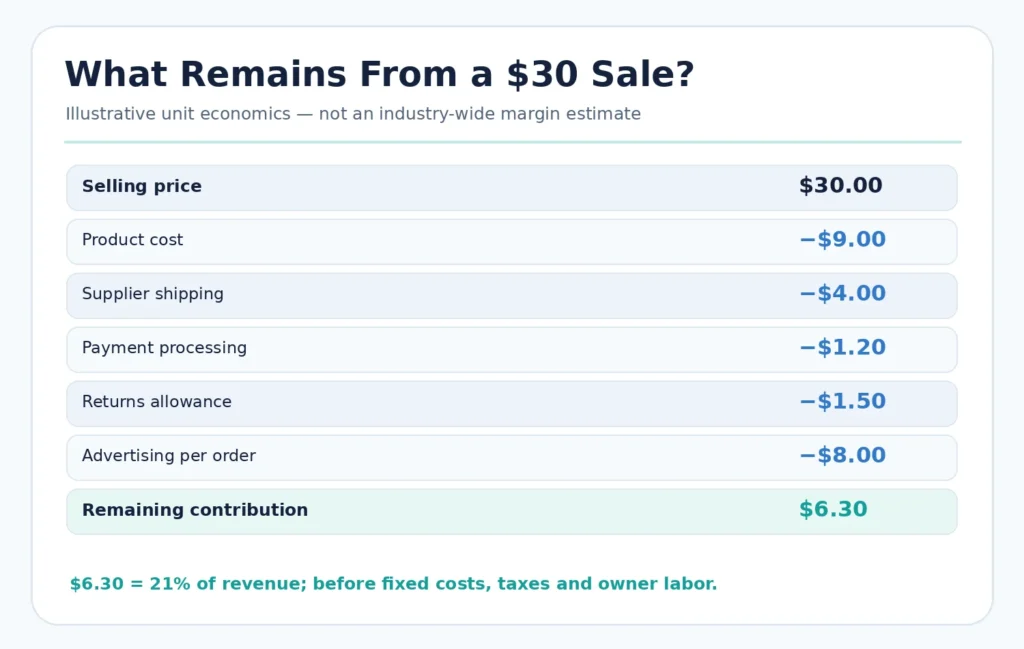
A product should be evaluated on more than its supplier price. Add the cost of shipping to the customer, payment processing, marketplace or app fees, expected returns, and advertising. Then compare that total with the selling price. This is a planning model; actual expenses will differ by supplier, product, and channel.
Consider a hypothetical $30 sale: product cost $9, supplier shipping $4, payment processing $1.20, expected returns allowance $1.50, and advertising cost per order $8. Contribution after those variable expenses is $6.30. That is 21% of sales, before fixed software costs, taxes, and your labor. If ad costs rise to $15, the example becomes negative after variable expenses.
This is why a trending product with impressive views can still be a weak business. A modest niche with clear repeat purchasing, reliable fulfillment, and lower support demands may be more attractive.
Beginners should approach heavily regulated, safety-critical, or claim-sensitive categories with extra caution. Examples include ingestible supplements, medical devices, cosmetics with treatment claims, children’s safety items, batteries, and products that may infringe trademarks. Even ordinary products can have labeling, testing, or product-liability requirements depending on where they are sold.
Also avoid products that are unusually fragile, bulky, difficult to size, or prone to long shipping delays unless the potential margin clearly compensates for those challenges. A single broken product can generate refunds, support work, and reputation damage that outweigh the original sale.
Start with one coherent customer need rather than a catalog of unrelated viral products. A workspace-organization store, for example, can combine desk mats, organizers, and cable solutions with useful setup guides. Show accurate photography, visible shipping times, return policies, and clear contact details.
If you are new to fulfillment and storefront setup, read RethinkTrends How to Start a Dropshipping Business. This product guide is deliberately separate: it focuses on what to test, not how to build the entire business.
The best dropshipping products to sell right now solve a clear problem, survive a real sample test, and leave enough margin after fulfillment and acquisition. Shortlist three candidates, order samples, calculate landed costs, and run a limited test before expanding your catalog. Focus on evidence over viral hype.
What is the best product to dropship in 2026?
No single product is best for every seller. Validate demand, competition, supplier quality, compliance, and margin for your target customer.
How can I find trending dropshipping products?
Compare Google Trends, marketplace searches, customer reviews, supplier catalogs, and sample quality. Avoid relying on one viral video.
Are dropshipping products profitable?
Some can be, but profitability depends on total costs, including ads, returns, shipping, fees, and support.
How many products should a beginner test?
A short, focused list of two or three candidates helps you evaluate quality and margins without spreading resources too thin.

Log in to support this story.
New here? Create an account


[…] you’ve been wondering how to start a dropshipping business, the numbers confirm the timing is right: the global dropshipping market reached approximately $365 […]