
How to maintain Fitness with healthy diet in a busy lifestyle
0
0


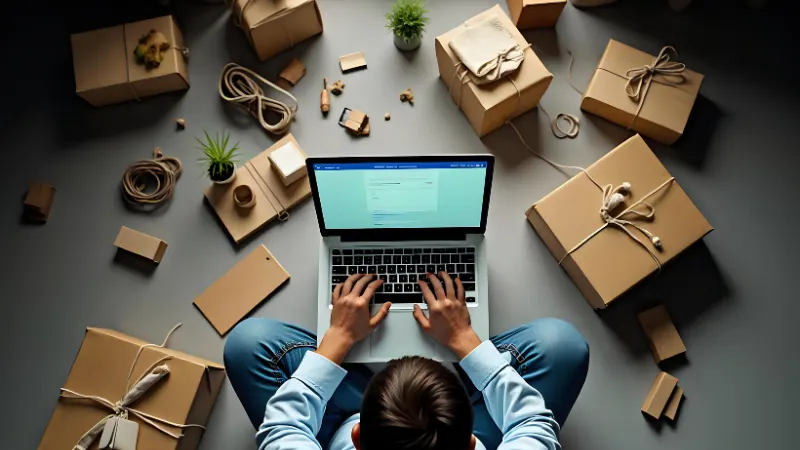
Dropshipping is a zero-inventory retail model where you sell products online and a third-party supplier ships directly to your customers. To start a dropshipping business, you choose a niche, find reliable suppliers, build an online store, and drive traffic through paid or organic marketing. Startup costs are low — often under $500 — and the global market is worth over $365 billion.
If you’ve been wondering how to start a dropshipping business, the numbers confirm the timing is right: the global dropshipping market reached approximately $365 billion in 2024 and is projected to exceed $1 trillion by 2030 (Grand View Research, 2025). Learning how to start a dropshipping business has never been more accessible — modern platforms like Shopify have stripped out almost every technical barrier, leaving just one real challenge: execution.
This guide walks you through every step — from validating a niche to finding suppliers and driving your first sales. Whether you’re starting a side hustle or building a full-time brand, the framework below is built for 2026’s competitive landscape.
Dropshipping is a retail fulfillment model in which a store owner sells products without holding inventory. When a customer places an order, the store owner purchases the item from a third-party supplier, who ships it directly to the customer.
The seller never touches the product. This eliminates warehousing costs, reduces upfront capital requirements, and allows a single operator to offer thousands of SKUs. According to SellersCommerce (2025), approximately 23% of all global e-commerce sales are fulfilled via dropshipping — an estimated $1.6 trillion in product value annually. The model is closely tied to platforms like Shopify (an e-commerce SaaS company) and supplier networks such as AliExpress, Spocket, and CJ Dropshipping.
The opportunity window for dropshipping is wide — but it’s maturing. The global market is growing at a CAGR of roughly 22% through 2030 (Grand View Research, 2025), driven by social commerce, mobile shopping, and expanding supplier networks.
Crucially, profit margins have improved for disciplined operators. A 2024 survey of 350 manufacturers found that net profit margins on dropshipped goods averaged 12.2%, compared to 10.3% on direct online sales — an 18.3% advantage for the dropshipping model (SellersCommerce, 2024). Top-performing stores reach margins of 25–30% by focusing on branded niches rather than generic, commodity products.
The contrast with traditional retail is stark: a brick-and-mortar store requires tens of thousands in inventory and lease costs, while a dropshipping store can launch for under $500.
Target a specific audience with recurring needs — pet accessories, home office ergonomics, or sustainable beauty. A focused niche lowers ad costs and builds word-of-mouth. Use Google Trends and tools like Exploding Topics (a trend-research platform) to validate demand before committing.
Use platforms such as Spocket (for US/EU suppliers), CJ Dropshipping, or Worldwide Brands (a wholesale directory founded in 1999) to source products. Always order samples before listing — quality control is your responsibility, even though the supplier ships the product.
Shopify remains the dominant choice, powering over 4.6 million live stores globally. Set up a clean, fast-loading store with clear product photography, trust signals (reviews, return policy), and a frictionless checkout. Page speed directly impacts conversion rates.
Apply a minimum 2–3× markup on supplier cost to account for ads, platform fees, and returns. Use a pricing calculator to model net margin before listing any product.
Pick one channel — Meta Ads, TikTok Shop, SEO, or influencer marketing — and master it before diversifying. TikTok Shop is the fastest-growing acquisition channel for dropshippers in 2025–26, particularly for fashion and beauty.
Review your cost-per-acquisition (CPA), return rate, and net margin weekly. Kill underperforming products fast and double down on winners. Dropshipping rewards speed of iteration more than any other business model.
Knowing how to start a dropshipping business is the straightforward part — the market data, tools, and supplier infrastructure have never been better. The real differentiator in 2026 is discipline: choosing a focused niche, vetting suppliers rigorously, and iterating quickly on what works.
Your next step today: Open a free Shopify trial, pick one niche from your shortlist, and order product samples from two suppliers. You can have a live store within 72 hours. That’s not a marketing claim — it’s the operational reality of this business model.
Q: How much money do I need to start a dropshipping business? A: Most dropshipping businesses can launch for $200–$500, covering a Shopify subscription (~$29/month), a domain name (~$15), and initial ad spend or sample orders. Unlike traditional retail, no inventory investment is required upfront, making it one of the lowest-barrier e-commerce models available in 2026.
Q: Is dropshipping still profitable in 2026? A: Yes, but margins are thinner for generic products. Top-performing stores earn net margins of 20–30% by focusing on branded niches and reliable suppliers. Industry data from SellersCommerce (2025) shows average margins of 15–20%, with only 10–20% of stores reaching sustained profitability — mostly those with a clear niche and strong supplier relationships.
Q: How do I find reliable suppliers for dropshipping? A: Use curated directories like Spocket (US/EU suppliers), Worldwide Brands, or CJ Dropshipping. Always vet suppliers by ordering samples, checking processing times, and reviewing their return policies. Avoid suppliers with no order history or unverifiable business addresses, as these are common red flags.
Q: What products sell best in dropshipping? A: Fashion and apparel lead the global dropshipping market with a 34% revenue share, followed by electronics (30% of North American dropshipping) and beauty and personal care (Grand View Research, 2025). In 2026, high-performing niches include sustainable home goods, pet wellness products, and ergonomic home office equipment.
Q: Do I need a business license to start a dropshipping business? A: Requirements vary by country and state, but in most jurisdictions you’ll need a registered business entity (LLC or sole proprietorship) and a sales tax permit if selling to customers in your state. Consult a local accountant or use a service like Stripe Atlas to set up a compliant business structure before your first sale.
{
“@context”: “https://schema.org”,
“@type”: “FAQPage”,
“mainEntity”: [
{
“@type”: “Question”,
“name”: “How much money do I need to start a dropshipping business?”,
“acceptedAnswer”: {
“@type”: “Answer”,
“text”: “Most dropshipping businesses can launch for $200–$500, covering a Shopify subscription (~$29/month), a domain name (~$15), and initial ad spend or sample orders. Unlike traditional retail, no inventory investment is required upfront, making it one of the lowest-barrier e-commerce models available in 2026.”
}
},
{
“@type”: “Question”,
“name”: “Is dropshipping still profitable in 2026?”,
“acceptedAnswer”: {
“@type”: “Answer”,
“text”: “Yes, but margins are thinner for generic products. Top-performing stores earn net margins of 20–30% by focusing on branded niches and reliable suppliers. Industry data from SellersCommerce (2025) shows average margins of 15–20%, with only 10–20% of stores reaching sustained profitability — mostly those with a clear niche and strong supplier relationships.”
}
},
{
“@type”: “Question”,
“name”: “How do I find reliable suppliers for dropshipping?”,
“acceptedAnswer”: {
“@type”: “Answer”,
“text”: “Use curated directories like Spocket (US/EU suppliers), Worldwide Brands, or CJ Dropshipping. Always vet suppliers by ordering samples, checking processing times, and reviewing their return policies. Avoid suppliers with no order history or unverifiable business addresses, as these are common red flags.”
}
},
{
“@type”: “Question”,
“name”: “What products sell best in dropshipping?”,
“acceptedAnswer”: {
“@type”: “Answer”,
“text”: “Fashion and apparel lead the global dropshipping market with a 34% revenue share, followed by electronics (30% of North American dropshipping) and beauty and personal care. In 2026, high-performing niches include sustainable home goods, pet wellness products, and ergonomic home office equipment.”
}
},
{
“@type”: “Question”,
“name”: “Do I need a business license to start a dropshipping business?”,
“acceptedAnswer”: {
“@type”: “Answer”,
“text”: “Requirements vary by country and state, but in most jurisdictions you’ll need a registered business entity and a sales tax permit if selling to customers in your state. Consult a local accountant or use a service like Stripe Atlas to set up a compliant business structure before your first sale.”
}
}
]
}
Log in to support this story.
New here? Create an account

Discussion · 0 Comments
No comments yet — be the first to share your thoughts.