
Why The Fifa World Cup Is No Longer Just A Sport: It’s The Marketing Hijacking
0
0


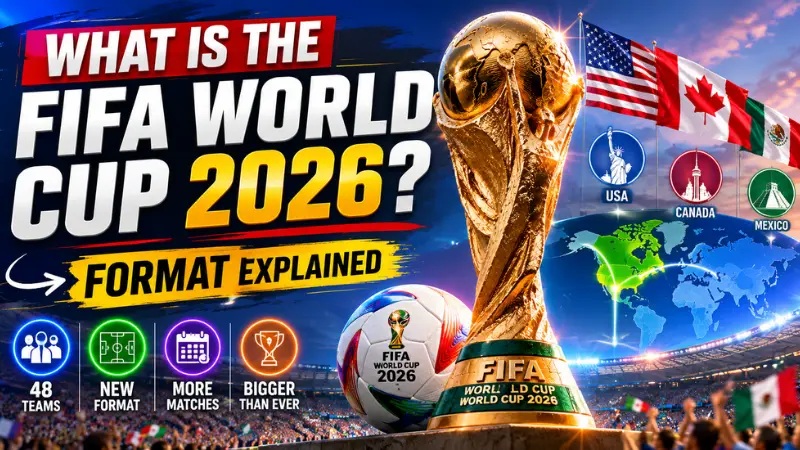
Jointly hosted by Canada, The USA and Mexico, the FIFA World Cup 2026 edition will see 48 nations featuring in this mega sporting event. This is the first time that the World Cup will see 48 nations going head-to-head, keeping up with sport’s global pull, growing fanbase and ever-increasing quality of the competing nations. Since 1998, the tournament featured 32 teams, divided into 8 pools, with top two nations from each pool then progressing to the round of 16.
The 23rd edition of FIFA World Cup will see an additional 16 teams battle it out in a 39-day tournament to etch their name in the sports’ most glorious global event. This amounts to a total of 104 matches over 39-day period spread across 16 cities, co-hosted by 3 nations.
Due to increased number of participating teams, nations will progress to a new knock-out round of 32 teams. The teams are divided into 12 groups A to L, with top two teams from each group progressing directly to the next round. The top two teams from each of the 12 groups, plus the eight best third-placed teams, will advance to the Round of 32. FIFA’s official ticketing FAQ confirms 12 groups of four, 72 group-stage matches, and the eight best third-placed teams advancing.
Back in 2013 Michel Platini, the then UEFA president, had already suggested expanding the tournament given the quality, participation and popularity of the sport across nations. This was echoed by the then FIFA president Gianni Infantino back in 2016. While this was viewed as a political move back then, FIFA Council driven by the quality of the participating nations finally made the decision to expand the format.
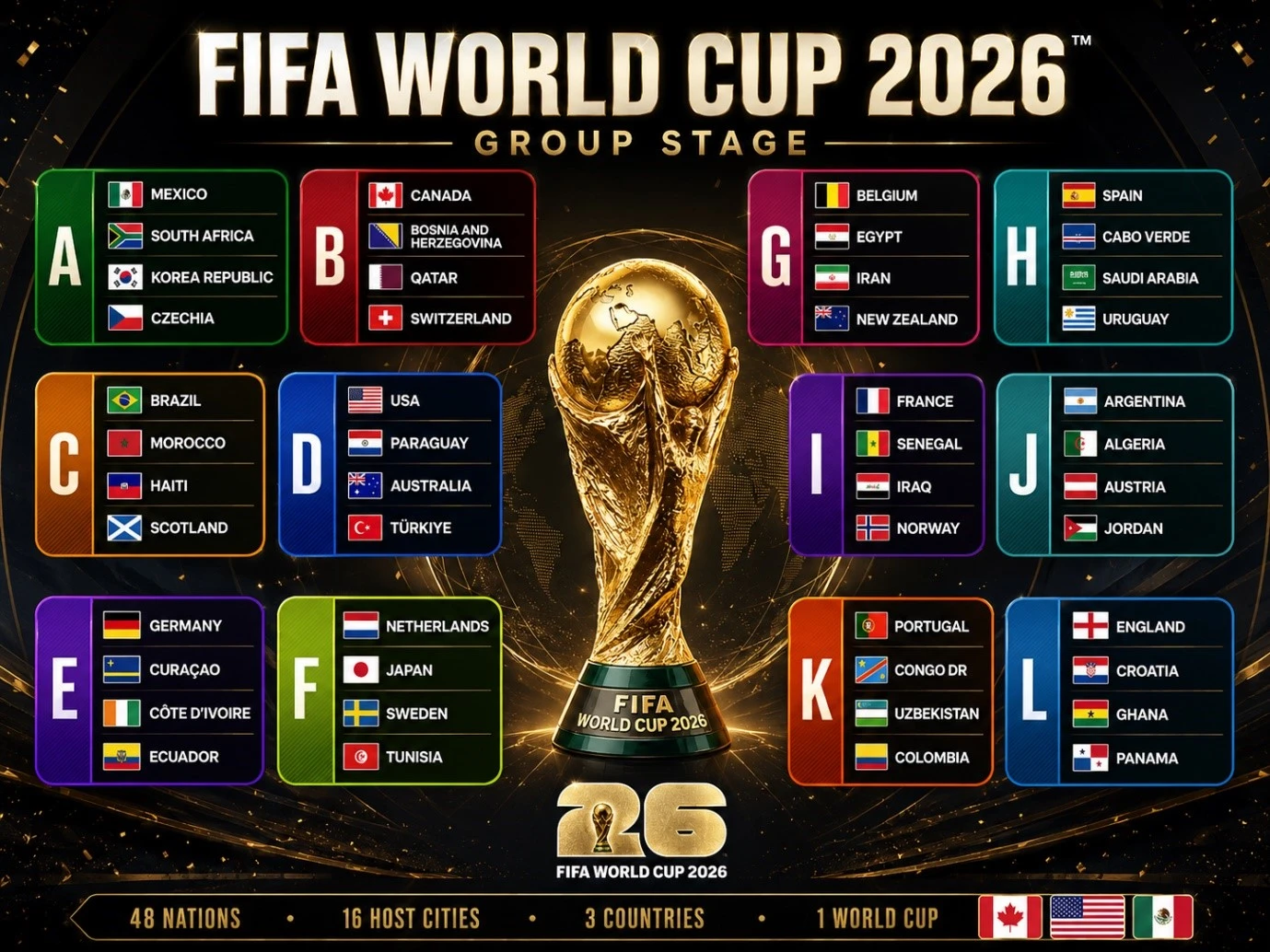
Apart from expanding the format from 32 to 48 teams, FIFA World Cup 2026 has a host of other feats that it will record for the first time:
There is an extensive regional tournament each nation was part of. From those qualifying tournaments, some of the nations got direct entry while some made it into play-offs. The final 48 teams made it into the final roster by qualifying across 6 regional confederations:
Co-hosts: Canada, Mexico, USA
AFC: Australia, Iraq, IR Iran, Japan, Jordan, Korea Republic, Qatar, Saudi Arabia, Uzbekistan
CAF: Algeria, Cabo Verde, Congo DR, Côte d’Ivoire, Egypt, Ghana, Morocco, Senegal, South Africa, Tunisia
Concacaf: Curaçao, Haiti, Panama
CONMEBOL: Argentina, Brazil, Colombia, Ecuador, Paraguay, Uruguay
OFC: New Zealand
UEFA: Austria, Belgium, Bosnia and Herzegovina, Croatia, Czechia, England, France, Germany, Netherlands, Norway, Portugal, Scotland, Spain, Sweden, Switzerland, Türkiye
Of these, Cabo Verde, Curaçao, Jordan & Uzbekistan are making their debut in the tournament.
The longer duration, more nations, and a new Round of 32 will ensure football fans relish this period. Football fans usually face a 2–3 month hiatus after domestic leagues end before they can watch their favorite players in action again. However, the World Cup, which arrives only once every four years, changes that. As the most anticipated sporting event in the world, it is expected to be the highest-grossing event of the year.
The tournament is set to begin on 11th June with the final to be hosted on 19th July.While the giants are favored to go all the way, history shows that even newcomers can cause major upsets. That unpredictability is what makes the tournament worth the four-year wait.

Log in to support this story.
New here? Create an account


Discussion · 0 Comments
No comments yet — be the first to share your thoughts.