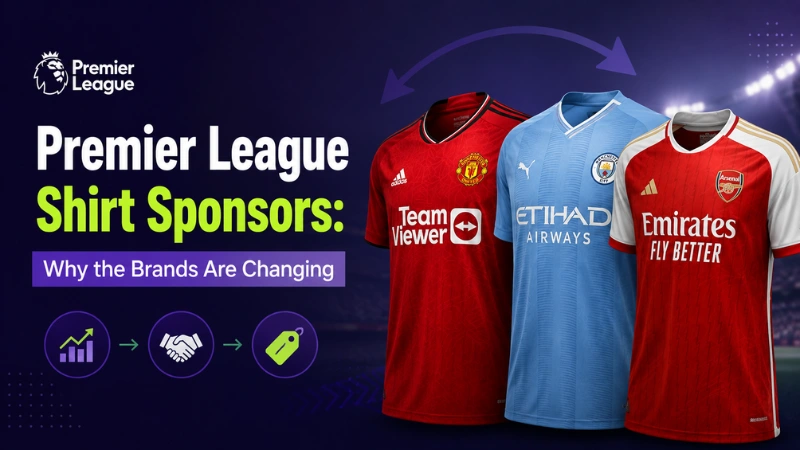
Watch a Premier League match in 2026/27 and one thing looks different: the sponsors.
For years, betting companies dominated the front of Premier League shirts. In 2025/26, 11 of the league’s 20 clubs carried a gambling brand in that prime position. From 2026/27, that changed. Premier League clubs had agreed to remove gambling sponsorship from the front of matchday shirts after the 2025/26 season.
But gambling brands did not simply disappear. Fintech firms, financial-services businesses, technology companies, AI brands and tourism organisations are moving into football.
So why would a company that most fans have never heard of spend millions to put its name on a Premier League shirt?
Why Do Unknown Companies Sponsor Premier League Shirts?
Premier League shirt sponsorship gives companies global visibility, credibility and repeated exposure. For many fintech, AI and B2B brands, the goal is not necessarily to sell something to the person watching the match. It is to become recognised by customers, investors, business partners and international markets.
That makes a Premier League shirt less like a traditional advertisement and more like a global corporate billboard.
How Did Premier League Shirt Sponsorship Change?
Premier League shirts once carried familiar consumer brands selling products supporters could easily understand.
As the Premier League became a global media product, the economics changed. Clubs were no longer selling exposure only to supporters inside England. Their shirts appeared on television, social feeds, news sites, video games and merchandise around the world.
The sponsor simply had to value the Premier League’s global reach.
In fact, the transformation has been dramatic. BBC research found that in the Premier League’s first season, more than half of shirt sponsors were headquartered in Britain and most sold physical products in the UK. By 2025, only one front-of-shirt sponsor was headquartered in the UK, while none primarily used the sponsorship to sell physical products directly to supporters.
Football shirts had become something different.
Why Did Betting Brands Become So Common?
Online betting companies were particularly well suited to football sponsorship.
Football and sports betting have overlapping audiences, while Premier League broadcasts gave gambling brands repeated exposure in numerous international markets. For clubs outside the league’s richest group, betting companies were often willing to pay strongly for the most visible position on the shirt.
By 2025/26, gambling brands appeared on the front of 11 of 20 Premier League shirts.
In April 2023, Premier League clubs voluntarily agreed to withdraw gambling sponsorship from the front of matchday shirts from the end of the 2025/26 season.
That created a new question for clubs:
Who would replace them?
Is Gambling Sponsorship Completely Banned in the Premier League?
No.
The agreement removes gambling brands from the front of Premier League matchday shirts. It does not create a total ban on every gambling-related commercial partnership.
Gambling companies can still appear in other permitted sponsorship inventory, including certain sleeve, training-kit and other arrangements, subject to applicable rules.
So 2026/27 is not the end of gambling advertising in Premier League football.
It is the end of gambling brands occupying its most prominent shirt position.
Who Is Replacing Betting Sponsors?
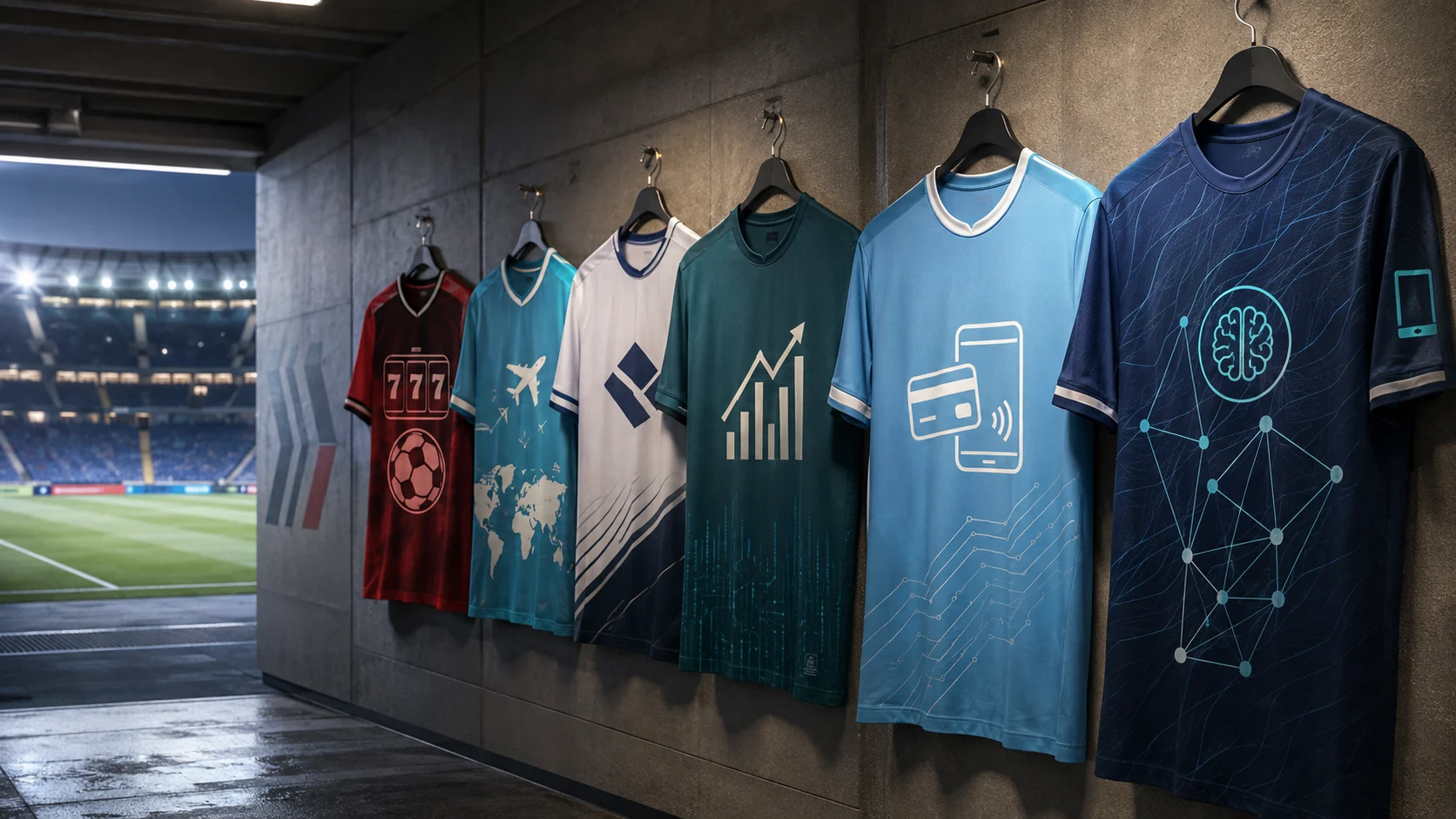
The replacement market already shows how football sponsorship is changing.
Reuters reported that the transition is opening opportunities to fintech, software, finance and other global businesses. Crystal Palace partnered with AI company Temporal, Everton with financial-services company CMC Markets, while Aston Villa’s shirt features Visit Rwanda.
Financial Times reporting points to the same shift toward technology and finance companies.
Many of these new sponsors are not household consumer names.
In some cases, that is exactly why Premier League sponsorship is valuable.
Why Would an Unknown Company Sponsor a Premier League Club?
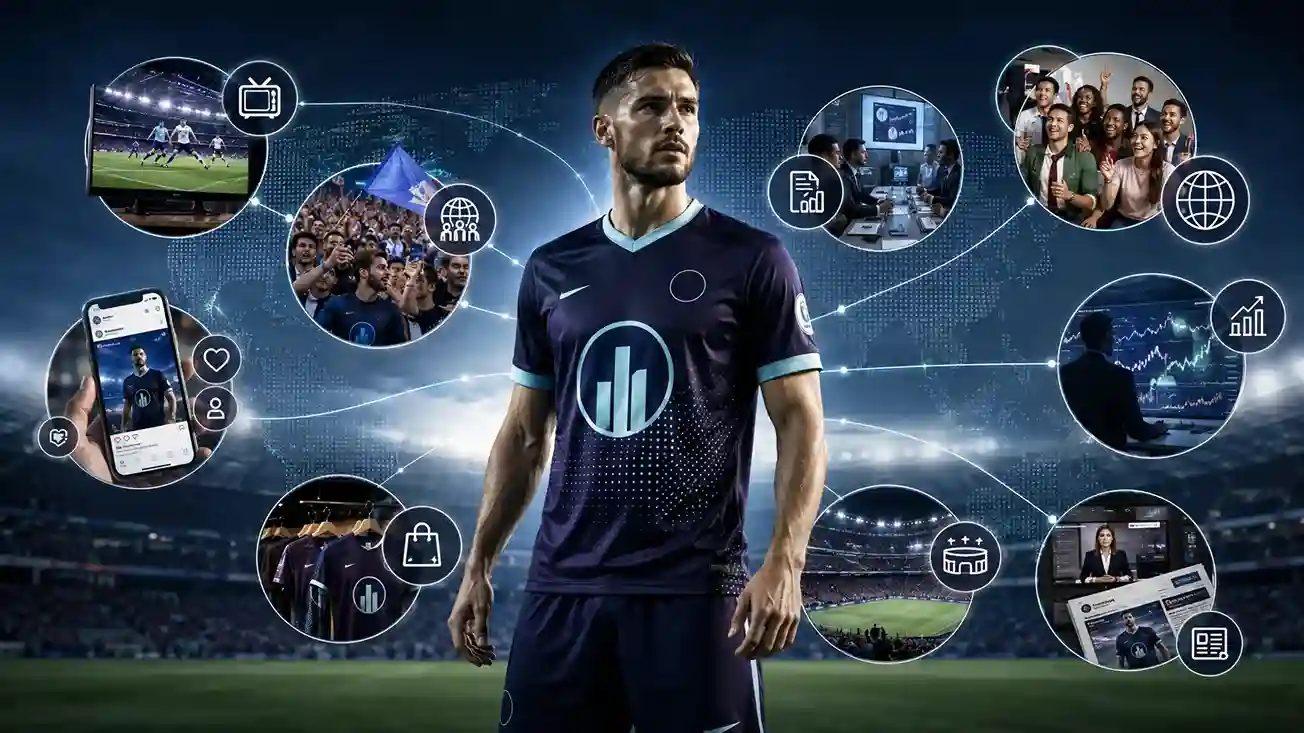
Imagine a technology company respected inside its industry but invisible to most consumers.
Put that company on a Premier League shirt and its name appears during live matches, highlights, social posts, press photographs, interviews and replica-shirt sales.
The brand is repeatedly placed next to famous players and a globally recognised football club.
That builds awareness and can also create credibility. People may assume a business capable of becoming a Premier League partner is substantial, ambitious and internationally established.
The company is not necessarily buying immediate sales.
It is buying familiarity.
That is particularly valuable for an AI, fintech or B2B company trying to move from being known within one industry to becoming an internationally recognised brand.
Who Are Shirt Sponsors Actually Trying to Reach?
Football fans are only part of the audience.
A Premier League sponsor may want consumers, but it may also care about investors, corporate customers, potential employees, governments or business partners.
That helps explain why B2B technology and financial companies spend money on football. Senior executives, investors and potential clients all encounter the sport.
Sponsorship agreements can also include hospitality, networking, digital campaigns and rights to use club branding.
The logo is simply the most visible part of a much larger commercial relationship.
Why Not Just Buy Digital Ads?
Because football sponsorship behaves differently.
A digital advertisement might be viewed once and forgotten. A shirt sponsor can receive repeated exposure throughout an entire season.
The logo appears when a goal is scored, in the photograph the next morning, in a transfer announcement, on social media and on replica shirts.
Football also connects sponsors with victories, rivalries and famous players.
There is another unusual advantage: supporters often pay to wear the shirt themselves.
Few advertising formats persuade consumers to buy something that keeps displaying the advertiser’s logo for years.
That helps explain why the front of a Premier League shirt remains such valuable advertising space even in an era dominated by Google, TikTok, Instagram and digital advertising.
Why Are Some Premier League Shirts Sponsorless?
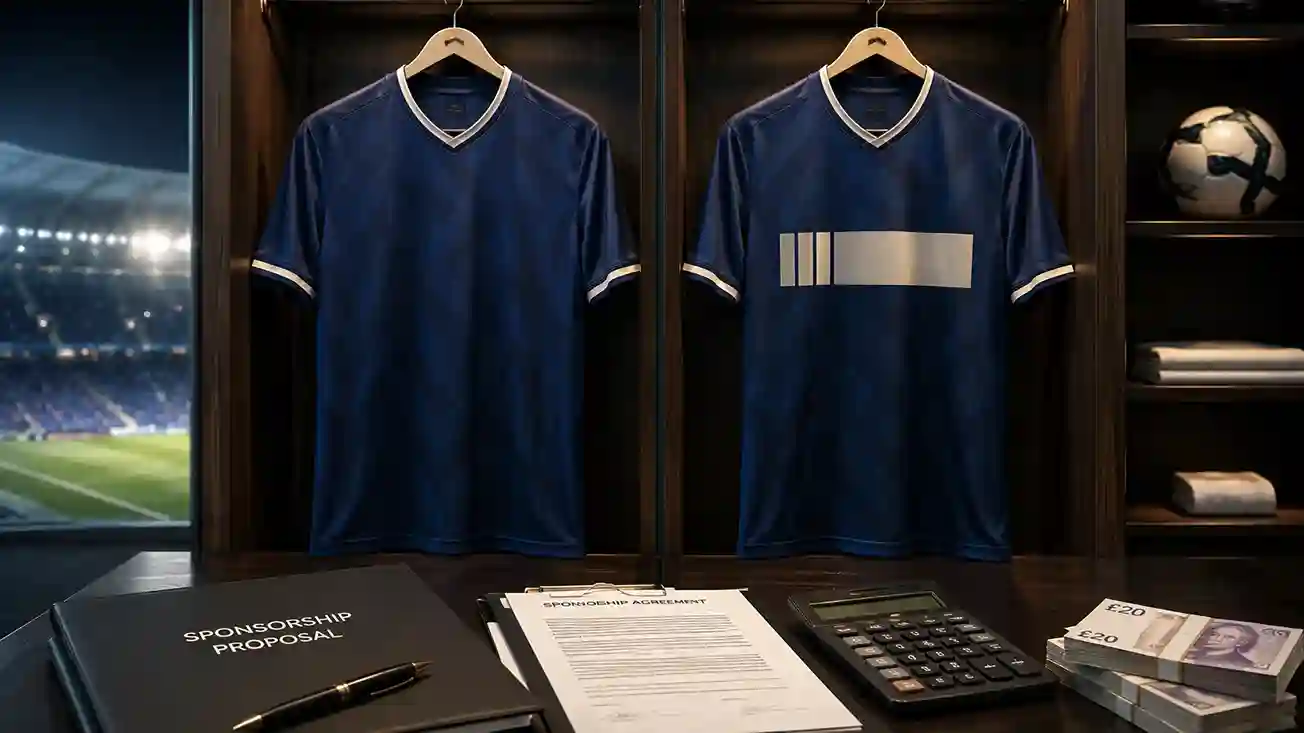
Clubs do not always accept the first sponsorship offer available.
If a club believes its front-of-shirt rights are worth much more than a company is offering, starting the season with a blank shirt can make commercial sense while negotiations continue.
Chelsea and Sunderland were among the clubs reported without permanent front-of-shirt sponsors as the 2026/27 season began.
Fans may actually prefer the cleaner appearance.
Commercial teams, however, see valuable advertising inventory waiting for the right price.
It creates an unusual conflict between football aesthetics and football finance.
Are AI and Fintech the Future of Premier League Sponsorship?
They could become a much bigger part of it.
AI, fintech, payments, cloud infrastructure, cybersecurity and enterprise software are global sectors where companies compete for recognition, customers, investment and talent.
Many have substantial marketing budgets but relatively low mainstream awareness.
The Premier League can help solve that problem quickly.
Reuters reported that Nielsen expects software and technology businesses to become increasingly prominent in football sponsorship as the post-gambling market develops.
That does not mean every future shirt will feature an AI or fintech company.
But the broader shift is clear: football shirt sponsorship increasingly appeals to industries seeking global corporate visibility, not simply direct consumer sales.
The Bigger Trend Behind Premier League Shirts
Premier League clubs are no longer merely selling advertising space on sportswear.
They are selling access to a global media ecosystem.
One shirt can appear across television, social media, news coverage, merchandise and gaming in dozens of markets.
That is why an unfamiliar company may be willing to pay millions for the space.
Being unknown is not necessarily a weakness.
It can be the reason for buying the sponsorship.
So the next time you watch a Premier League match and see a company on the shirt that makes you ask, “Who are they?”, that question may mean the sponsorship is doing exactly what it was designed to do.
The company has already made you notice its name.
And in modern football marketing, that can be worth millions.
Frequently Asked Questions
Why are gambling sponsors no longer on Premier League shirt fronts?
Premier League clubs voluntarily agreed to remove gambling sponsorship from the front of matchday shirts after the 2025/26 season. The change took effect for the 2026/27 Premier League season.
Is gambling sponsorship completely banned in the Premier League?
No. The agreement specifically concerns front-of-shirt matchday sponsorship. Gambling companies can still have other permitted commercial relationships with Premier League clubs.
Why do unknown companies sponsor Premier League teams?
Premier League sponsorship can rapidly build international brand awareness and credibility. Companies may want exposure not only to football supporters but also to investors, corporate customers, potential employees and business partners.
What industries are replacing betting sponsors?
Finance, fintech, software, AI, tourism and other international businesses are among the industries gaining visibility as Premier League clubs move away from betting companies on the front of their shirts.