
ECheck- simplifying payments for small businesses
0
0


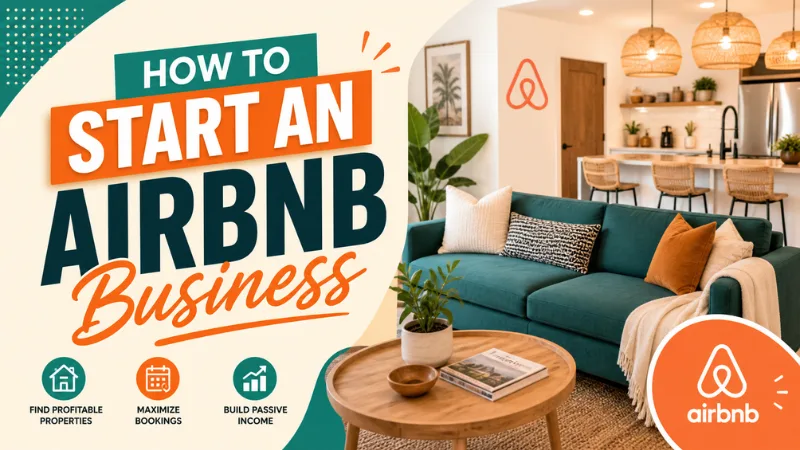
Starting an Airbnb business can be a profitable way to earn income from a property, spare room, vacation home, or managed rental. But success does not come from simply uploading photos and waiting for bookings. A strong Airbnb business requires market research, legal preparation, smart pricing, guest-ready amenities, and consistent property management.
Whether you are exploring Airbnb hosting for the first time or planning to build a full short-term rental business, this guide explains how to start an Airbnb business step by step.
An Airbnb business is a short-term rental business where a host lists a property or room for guests to book for temporary stays. The property can be a private room, apartment, house, villa, cabin, or vacation rental. Some hosts own the property, while others manage properties for owners or use a rental arbitrage model, where allowed by lease terms and local laws.
The goal is to create a comfortable, reliable, and well-priced stay that attracts guests, earns positive reviews, and generates repeatable income.
Before investing money, study the demand in your target location. Look at similar Airbnb listings in your area and check their nightly rates, occupancy patterns, amenities, reviews, and guest types. A downtown apartment may attract business travelers, while a beach house may perform better with families and vacationers.
Pay attention to seasonality. Some locations perform strongly year-round, while others earn most revenue during holidays, festivals, or tourist seasons. This research will help you understand whether your Airbnb business idea has real earning potential.
Also review your competition. If top listings offer fast Wi-Fi, self-check-in, free parking, workspaces, and modern interiors, your property should match or exceed those expectations.
One of the most important steps in learning how to start an Airbnb business is checking local laws. Short-term rental regulations vary widely by city, state, and country. In many locations, hosts may need a permit, license, registration number, zoning approval, or tax setup before accepting guests.
Airbnb advises hosts to review local regulations, taxes, business license rules, and short-term rental requirements before listing a property. Some cities may limit short-term stays, require registration, or restrict hosting in certain buildings or zones.
You should also check HOA rules, apartment policies, lease agreements, insurance terms, and building regulations. If you are renting a property, never assume you can sublease it on Airbnb without written permission.
A basic Airbnb business plan will help you avoid unexpected costs and poor pricing decisions. Your plan should include the property type, target guest, expected nightly rate, startup costs, monthly expenses, cleaning process, marketing strategy, and revenue goals.
Common Airbnb startup costs include furniture, bedding, towels, toiletries, smart locks, kitchen supplies, photography, cleaning supplies, repairs, décor, insurance, permits, and emergency maintenance funds.
You should also calculate ongoing expenses such as mortgage or rent, utilities, internet, cleaning, platform fees, maintenance, taxes, restocking, and property management. Airbnb notes that most hosts pay a service fee, commonly around 3%, though fees can vary depending on listing type and location.
A successful Airbnb listing is built around comfort, convenience, and trust. Guests expect a clean space, accurate photos, clear communication, and useful amenities. Start with the basics: quality mattresses, clean linens, towels, Wi-Fi, kitchen essentials, toiletries, lighting, storage, and safety items.
Add features that improve guest experience, such as a coffee station, workspace, smart TV, blackout curtains, local guidebook, and easy self-check-in. Safety matters too. Consider smoke detectors, carbon monoxide detectors where required, fire extinguishers, first-aid kits, and secure locks.
Your property does not need to be luxurious, but it should feel clean, functional, and thoughtfully prepared.
Airbnb listing optimization plays a major role in bookings. Your title should be clear and benefit-driven, such as “Modern Downtown Studio with Fast Wi-Fi” or “Family-Friendly Beach House Near Attractions.”
Use professional-quality photos that show every important room, exterior areas, amenities, and unique features. Write a detailed description that explains who the property is best for, what guests can expect, nearby attractions, parking details, and house rules.
Airbnb allows hosts to add house rules to set guest expectations, including rules about smoking, pets, quiet hours, and other property-specific guidelines.
Be honest in your listing. Overpromising may get bookings initially, but inaccurate descriptions often lead to poor reviews.
Pricing can make or break your Airbnb business. If your price is too high, guests may choose competitors. If it is too low, you may lose profit or attract the wrong audience.
Start by comparing similar listings in your area. Check weekday rates, weekend rates, seasonal pricing, cleaning fees, and discounts. Airbnb allows hosts to set nightly prices and custom pricing for specific dates through the calendar.
Your Airbnb pricing strategy should adjust for demand. Increase rates during peak seasons, events, holidays, and weekends. Offer competitive pricing during slow periods to improve occupancy.
Cleaning fees should also be reasonable. Airbnb describes cleaning fees as a one-time charge set by the host and included as part of the total price shown to guests.
Positive reviews are one of the strongest growth drivers for any vacation rental business. Make the guest journey simple from booking to checkout.
Send clear check-in instructions, respond quickly to questions, and provide helpful information before arrival. Keep your property spotless and make sure everything works before each stay. Small touches such as welcome snacks, local recommendations, extra chargers, or fresh coffee can improve the guest experience.
A reliable cleaning process is essential. Many hosts either hire professional cleaners or build a checklist to ensure consistency after every checkout.
Once your Airbnb hosting starts getting bookings, treat it like a real business. Track revenue, expenses, occupancy rate, average nightly rate, guest reviews, maintenance issues, and seasonal trends.
Use automation where possible. Smart locks, scheduled messages, digital guidebooks, and cleaning calendars can reduce manual work. If you plan to scale, Airbnb property management tools can help manage multiple listings, guest communication, pricing, and cleaner coordination.
You should also keep financial records and speak with a tax professional about income reporting, deductions, local taxes, and business structure.
After your first few bookings, review guest feedback carefully. If multiple guests mention the same issue, fix it quickly. Updating photos, improving amenities, refreshing décor, and adjusting pricing can increase your conversion rate.
Once your first property performs well, you can consider scaling. Options include adding another property, co-hosting for other owners, offering vacation rental management, or expanding into nearby markets.
Do not scale too fast. A profitable Airbnb business is built on systems, not guesswork.
Learning how to start an Airbnb business is about more than creating a listing. You need the right property, legal approval, a clear Airbnb business plan, competitive pricing, strong hospitality, and reliable operations.
Start small, focus on guest experience, track your numbers, and improve consistently. With the right approach, Airbnb hosting can become a strong income stream and a scalable short-term rental business.

Log in to support this story.
New here? Create an account


Discussion · 0 Comments
No comments yet — be the first to share your thoughts.