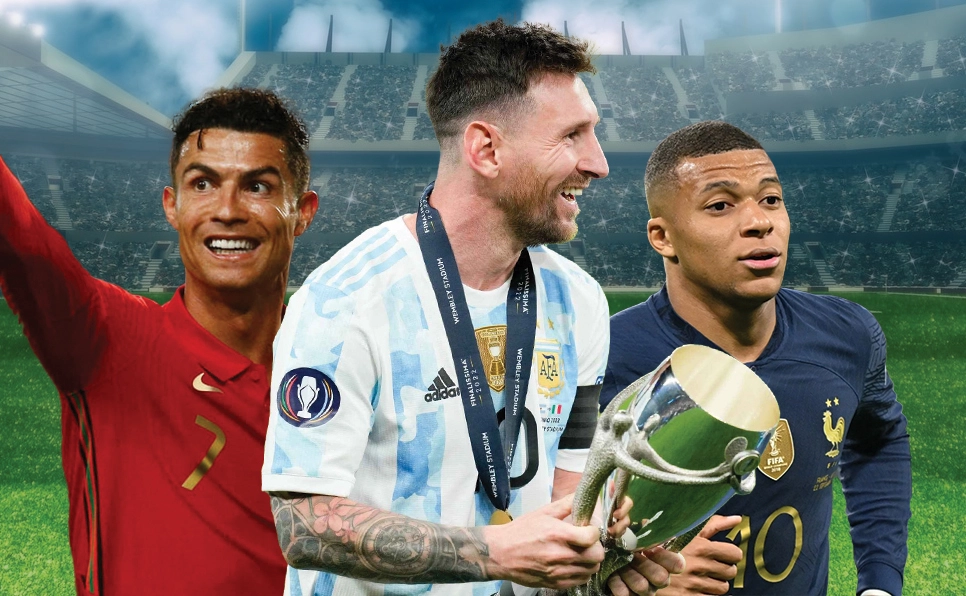
For ninety minutes, the FIFA World Cup looks beautifully simple. It is twenty-two people chasing a ball, a referee whose eyesight is universally questioned by millions of screaming fans, and a collective drop in global productivity.
But the second the referee blows the final whistle, the sport stops, and the real monster wakes up.
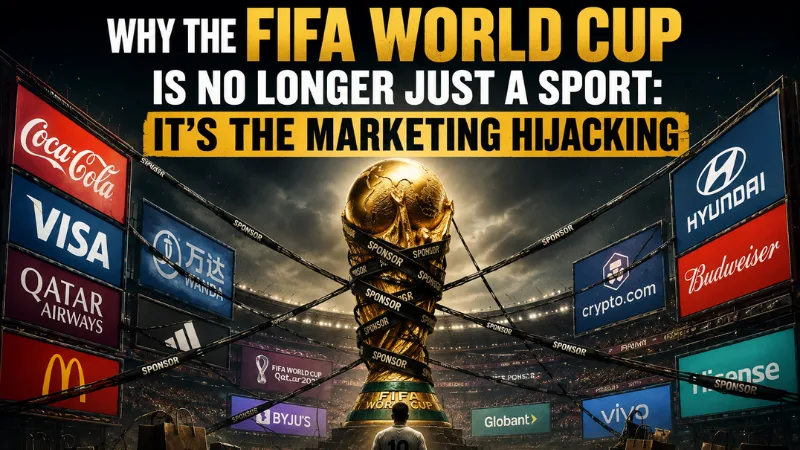
Behind the tactical formations and emotional penalty shootouts lies a truth that sports networks try very hard to hide. The World Cup is no longer a football tournament. It is a massive, multi-billion-dollar corporate holiday that happens to feature some sport in the background. Calling it a sports event today is like calling Disney a cartoon studio. It completely misses the actual business model.
Brands do not spend hundreds of millions of dollars just to get their logos stamped on a pitch-side billboard. They do it because the World Cup solves the single hardest problem in modern media. It grabs five billion highly distracted, hyper-fragmented humans by the collar and forces them to look at the exact same screen at the exact same time.
But while regular marketing agencies stare at television ratings and count public tweet impressions, the smartest players on earth have quietly realized the old ways are completely useless. The internet has broken public attention into tiny, chaotic pieces, and standard advertising rules have melted down.
If you look closely at how the current tournament cycle is running across Canada, Mexico, and the United States, a much more interesting game is happening in the dark.
The 90-Minute Game is Just Live Bait
The old way of doing sports marketing was straightforward and incredibly dull. You bought a thirty-second commercial slot during halftime, hoped people did not leave the room to grab a snack, and prayed they remembered your logo the next morning.
That approach belongs in a museum.
The physical match has been systematically repurposed. It is no longer the main event. It is the anchor content, the high-octane live bait used to hook you into a massive digital network. The real business happens in the chaotic media storm that spins around those ninety minutes.
Think about how you actually experience a massive tournament moment now. A superstar scores an impossible goal in extra time. You do not just sit there staring at your television like it is 1998. You are living across three different digital apps simultaneously.
Your phone instantly buzzes with text threads. You check Reddit or X to find the exact moment a manager lost his mind on the sidelines, which someone already turned into a meme format within two minutes. You open Instagram to see vertical video clips of fans losing it in a pub in London. Later that night, you watch a twenty-minute YouTube breakdown where a creator analyzes the tactical mistakes that led to the goal.
For anyone trying to sell a product, this fragmented reality is an absolute goldmine. Live sports are the last remaining thing people refuse to watch on a delay. You cannot binge-watch a live World Cup final on a streaming app three weeks later without ruining the entire point. Because you are constantly jumping between screens to keep up with the collective panic, brands get to stop interrupting your entertainment. They just buy a seat right next to you inside the conversation.
Streaming Fractured the Broadcast and Multiplied the Money
There was a massive panic a few years ago that streaming would kill sports broadcasting by dividing audiences into tiny groups. Instead, it did the exact opposite. It gave media networks and sponsors thousands of new ways to get in front of your face.
The minute a match concludes, the content ecosystem actually kicks into overdrive. Official media partners drop localized highlight reels on YouTube before the players even make it back to the locker room. Sports platforms produce vertical analytical breakdowns optimized entirely for mobile viewing. Short-form video networks rack up billions of impressions from casual viewers who never intend to watch a full ninety-minute game but love the culture surrounding it.
This means global corporate sponsors are no longer putting all their eggs in a single television ad basket. They can sponsor the live push notifications on your favorite sports app, fund the behind-the-scenes travel vlogs on TikTok, or slap their branding across post-match video essays. When you can exist on every screen a fan owns, you win by default.
Room Reactions Over Studio Analysis
The days of traditional television analysts dictating how we feel about a game are officially over. A massive portion of global media power has moved straight into the hands of creators filming videos in their apartments or walking through stadium gates with a smartphone.
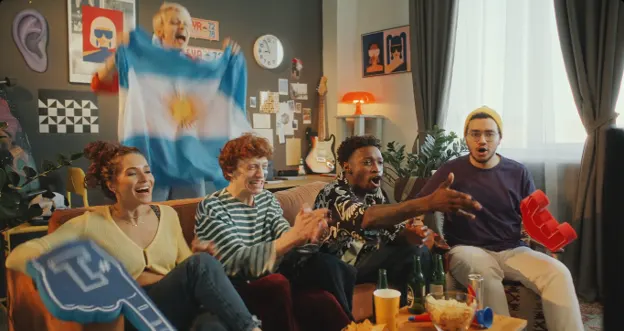
A whole generation of sports fans now interacts with tournaments through their favorite internet personalities rather than network anchors. If a massive underdog pulls off an upset, younger viewers do not wait for the post-game show on a cable network. They pull up a live watch-along stream to see a human being they actually relate to completely lose their sanity in real time.
Corporate sponsors quickly realized they could not replicate this connection with a standard billboard. So, they started giving their budgets directly to the creators.
The strategy works beautifully because it fixes a massive structural hurdle, specifically the problem of trying to talk to the entire planet without sounding like a generic corporate robot. A massive company can build one central marketing framework at headquarters, but they let regional creators handle the voice. A content creator in New York will talk about a brand using dry humor, while a creator in Seoul will use high-energy pop culture references. The corporate backing stays identical, but the delivery feels like it came from a friend.
The Video Game That Erased the Offseason
A massive problem with regular sports tournaments is the calendar. The physical World Cup happens once every four years, which is an eternity in modern business. If you only talk to your consumers twice a decade, your brand dies.
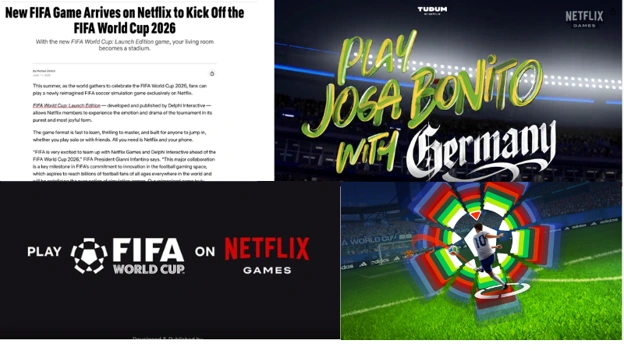
The gaming world solved this issue by making the football calendar permanent.
Even though the massive naming split between FIFA and EA Sports dominated headlines, the digital football landscape is larger than it has ever been. Titles like EA SPORTS FC have turned the sport into an interactive, year-round lifestyle. Millions of people log on daily to build digital squads, open virtual card packs, compete in global esports leagues, and watch gaming streams.
The real-world tournament provides a massive peak in global hype, but the gaming ecosystem keeps the furnace running during the years of waiting in between. When a fan spends hours a week controlling digital versions of their favorite athletes on a console, that is deep brand engagement happening without anyone ever kicking a real ball on grass.
Behind the Scenes of the Multi-Million-Dollar Madness
It is fun to talk about these massive audience shifts from a high-level view, but the actual gossip on the ground is way more entertaining. If you look past the overly polished press releases, you can see exactly how the world’s biggest brands are stumbling, panicking, and desperately trying to stay relevant in a world that hates traditional ads.
The whole tournament cycle is basically an incredibly expensive game of high-stakes corporate chicken. Every brand is terrified of looking out of touch, so they are throwing out the old rulebooks, panicking behind closed doors, and praying the internet doesn’t collectively laugh them off the stage.
Here is what is actually happening behind the curtain with five massive campaigns right now.
1. Lay’s: The Private Chat Desperation Pass
Standard corporate logic says you pour cash into public feeds and count the impressions. The problem is that Gen Z completely ignores public ads. The real, high-intent conversations happen inside encrypted group chats where people pass around raw, unpolished reaction clips.
Betting your digital momentum on a private WhatsApp channel is pure corporate desperation disguised as a strategy. Lay’s looked at their tanking public feed engagement and essentially decided to sneak into the DMs of football fans like an uninvited guest hoping someone forwards their memes.

To pull this off, they dropped a massive, three-and-a-half-minute cinematic short film. If you watch the official Lay’s Epic Watch Party commercial on YouTube, you can see the sheer scale of the production. They packed Lionel Messi, David Beckham, Alexia Putellas, Thierry Henry, and Steve Carell into a vintage van for a high-budget Hollywood script that cost an absolute fortune.
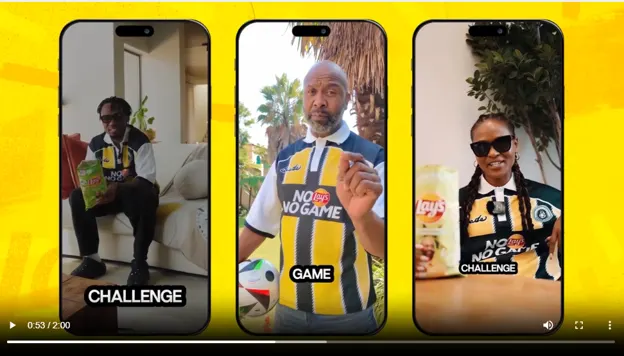
But the real tea is what happened once the cameras stopped rolling. The executives realized a shiny public ad wouldn’t win over younger audiences, so they weaponized the uninvited-guest premise of their broader No Lay’s, No Game campaign blueprint and turned it into a dark social trap. As detailed in the Digiday report on Lay’s WhatsApp fan strategy, they bypassed public feeds entirely, using the celebrity roster to drop shaky, vertical phone videos and casual voice notes directly into private message formats. They traded cold corporate broadcasting for an intimate group chat aesthetic, sneaking straight into the dark social spaces where real fan conversations are actually born to scale past 10 million followers worldwide.
2. Powerade: Curing the Post-Tournament Hangover Before Kickoff
The single biggest financial waste in tournament marketing is the post-final drop-off. Brands burn through their entire quarterly budget on a hyper-intense window, build up a massive, highly engaged community of active sports fans, and then go completely silent the minute the confetti is swept off the pitch.
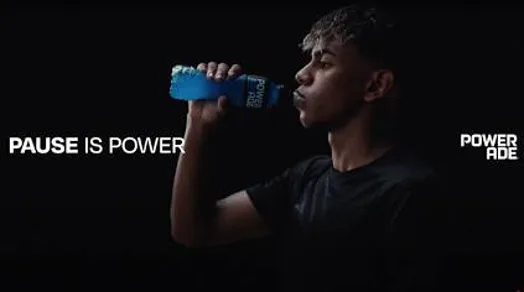
The launch of the Powerade Power Your Legacy campaign is built specifically to address this multi-million-dollar attention crash. Instead of anchoring their entire creative narrative around short-term tournament stakes, they built a long-term legacy storyline starring next-generation ambassadors like Lamine Yamal and Rodrygo Goes. The creative infrastructure is built to seamlessly transition that peak World Cup fan engagement straight into the upcoming domestic club seasons and year-round digital lifestyle drops, turning a temporary tournament spike into permanent brand equity.
3. Fox Sports: Completely Abandoning Neutrality for Tribalism
The old-school sports marketing manual says you must stay perfectly in the middle, praise the spirit of global competition, and make everyone feel good so you do not alienate anyone. But in a modern digital media environment, staying safe in the middle is an excellent way to guarantee nobody remembers you exist. The internet runs purely on emotional tribalism.
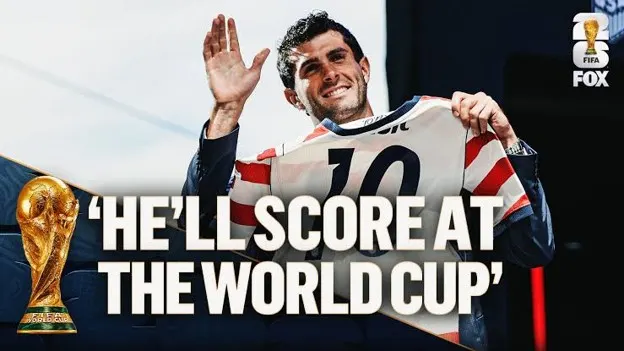
Fox Sports leaned completely into the chaos for their tournament narratives. Instead of playing it safe, they built an aggressive, unapologetically partisan stance focused on domestic hopes. This matches their intense real-world tracking of local stars, as highlighted in the coverage of Christian Pulisic’s high-stakes World Cup return. By completely abandoning the polite corporate stance of “may the best global team win,” they triggered an immediate wave of intense domestic hype and massive international counter-backlash. They chose to be fiercely loved by one massive demographic rather than mildly ignored by everyone.
4. Nike: The Cross-Border Logistical Nightmare
“Local storytelling” is a great buzzword for corporate slide decks, but it is an absolute nightmare to execute on the ground. On paper, letting Kylian Mbappé and LISA “hijack” a Hollywood set sounds like edgy, anti-corporate genius. In reality? It was an operational disaster. Imagine legal teams in Portland, Mexico City, and Toronto working 48-hour shifts fueled entirely by espresso, screaming at each other over cross-border compliance laws because an influencer accidentally held a competitor’s beverage in an unedited background clip.
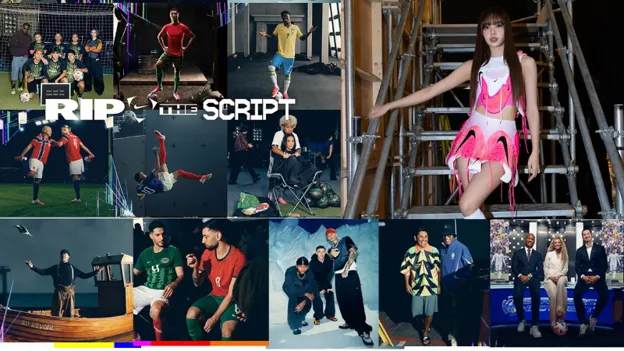
The Nike announcement of the Rip the Script campaign handles this logistical friction by treating the creative itself like a controlled collapse. Set inside a Hollywood mega-studio, the production sees top athletes completely rewrite the formal playbook. The full execution, visible in the official Nike Rip The Script commercial on YouTube, brings together unexpected casting from Kylian Mbappé and Erling Haaland to global pop culture stars like LISA and Travis Scott. They accepted the operational messiness of managing cross-border compliance, legal frameworks, and distinct regional styles across Canada, Mexico, and the U.S. by building a campaign that was designed to look unstructured from the very start.
5. Coca-Cola: The Boardroom Panic for a Human Soul
Every brand wants to talk about how they are using artificial intelligence to optimize content delivery, scale creative assets, and personalize consumer feeds in real time. But the tournament environment ruthlessly punishes brands that use technology as a shortcut to bypass genuine human connection.
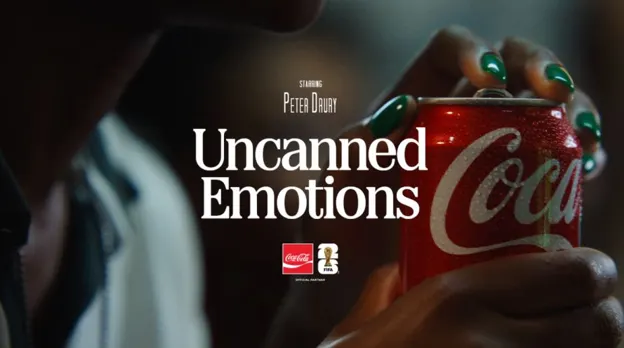
Think about the rumored panic at Coca-Cola headquarters when the first rough cuts of their tournament assets came back looking like a sterile, robotic simulation of football. Rumor has it that high-level executives practically threw their coffee mugs across the room because the automated visuals lacked any actual soul. They scrambled, threw money at the problem, and practically begged international talent to save their entire Asian market rollout from a public relations disaster.
The actual launch of the Coca-Cola Uncanned Emotions campaign showcases exactly how they had to pivot to balance immense scale with localized human feeling. As explored in the deep dive on the Coca-Cola roller coaster of emotions campaign, the brand built its strategy around genuine viewer reactions rather than synthetic digital tricks. While Western markets listen to iconic commentators narrate the nail-biting stress of a live match, the campaign across Asian nations directly taps into hyper-relevant cultural touchpoints, using figures like BTS member V to express the raw tension, youth culture, and passion of the tournament. The brand intentionally swapped cold automation for intense, organic fandom.

It serves as a jag-free reminder for the rest of the industry. You can use data and automation to handle background delivery infrastructure, but the creative execution itself must remain stubbornly human. If you try to use automated shortcuts to fake human passion, the audience will tune out instantly. Coca-Cola survived the digital noise because they realized that a global footprint means nothing without a local heart.
The Ultimate Trend Takeaway
The brands that are moving the needle during this global cycle are the ones that stopped treating the World Cup like a standard advertising billboard. You cannot buy modern attention with a record-shattering sponsorship budget alone.
The real winners have realized that the football matches are just the initial reason everyone shows up to the party. If you want to survive the noise, you have to build campaigns that actively participate in the chaotic, messy, and untrackable culture that fans build around it.
Because at the end of the day, the ninety minutes on television is just the bait. The real tournament is happening on the screens in our hands. When the final whistle blows, the brands that treated this like a sports event are left holding a very expensive receipt. The ones that treated it like a culture engine are already living rent-free in our group chats.